There’s nothing quite like the excitement of touching down in a new city, ready to start your holiday or visit loved ones—until you’re left standing at the baggage carousel, watching everyone else’s suitcases go round and round, and realising yours is nowhere to be seen.
For many of us, the sinking feeling of lost luggage is all too familiar, and unfortunately, it’s not as rare as we’d like to think.
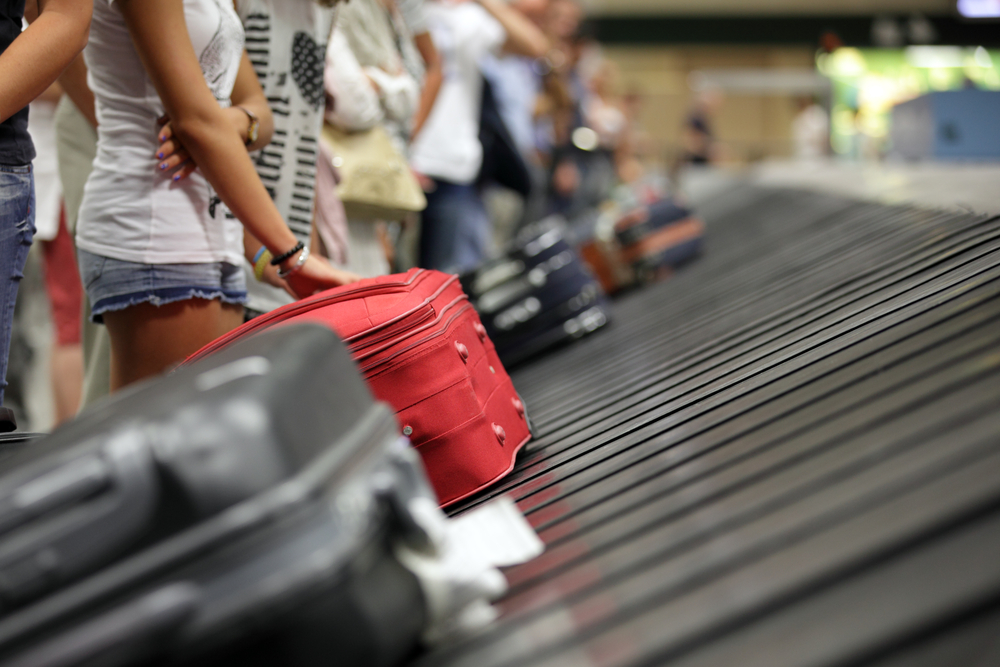
In fact, a staggering 33.4 million pieces of luggage were mishandled by airlines in 2024 alone. That’s right—every year, tens of millions of bags are lost, delayed, or damaged, turning dream holidays into logistical nightmares.
And for seniors, who may be carrying important medications, mobility aids, or sentimental items, the stress can be even greater.
The Hassle of Lost Luggage
If you’ve ever had to deal with lost luggage, you’ll know the process is anything but straightforward.
It usually involves filling out endless online forms, making repeated phone calls to airlines and airports, and anxiously waiting for updates, often while trying to replace essential items out of your own pocket. The whole ordeal can take days, if not weeks, to resolve.
But there’s good news on the horizon for travellers everywhere! Thanks to a new partnership between aviation technology specialist SITA and Google, the process of recovering lost luggage is about to get a whole lot easier.
A Game-Changer: Sending Your Bag’s Location Directly to Airlines
SITA has now integrated Google’s Find My Device (Find Hub) share item location feature into WorldTracer, the global system used by over 500 airlines to track and reunite passengers with their missing bags.
This means that if your luggage goes missing, you can now share its precise location directly with the airline—no more relying solely on airport scans or airline-to-airline data exchanges.

Here’s how it works: If your bag is delayed, you can generate a secure link via Google’s Find Hub and send it straight to the airline through WorldTracer. The airline can then see exactly where your bag is, making it much easier and faster to reunite you with your belongings.
The link is encrypted, expires automatically, and you remain in control of who can access your bag’s location and for how long.
Nicole Hogg, Portfolio Director, Baggage at SITA, explains: ‘When a bag is delayed, uncertainty increases compensation costs, customer service pressure, and reputational risk. What we are seeing is a move from manual tracing to clearer, data-supported recovery. When passengers choose to share their bag’s location, airlines gain insight at the moment it matters most. This reflects how baggage recovery is becoming more transparent, more collaborative, and more precise.’
‘Airlines are operating in an environment where passengers expect visibility of their baggage at every step of the journey,’ he added.
Which Airlines Are On Board?
Several major airlines have already adopted this technology, including Air India, China Airlines, the Lufthansa Group, and Turkish Airlines. British Airways, Lufthansa, and Virgin Atlantic were among the first to allow passengers to share the location of their Apple AirTags with the airline, further streamlining the process.
It’s worth noting that mishandling rates have actually dropped by 67 per cent over the past two decades, even as the number of passengers has more than doubled. This is thanks in part to technological advances like these, which are making travel safer and more reliable for everyone.
Other Ways to Track Your Luggage
While this new feature is a huge step forward, it’s not the only tool at your disposal. Many travellers now use Bluetooth trackers like Apple AirTags or Samsung SmartTags, which can be slipped into your suitcase and tracked via your smartphone. These devices have become so popular that some airlines have even started integrating them into their lost baggage recovery systems.
If you’re not already using a tracker, it might be time to consider investing in one—especially if you’re planning a big trip. They’re affordable, easy to use, and can provide peace of mind knowing you can always see where your bag is, even if the airline can’t.
Tips for Avoiding Lost Luggage
While technology is making things easier, there are still a few tried-and-true tips to help minimise your risk:
- Always label your bags clearly with your name, phone number, and email address.
- Take a photo of your luggage before you check it in, so you can easily describe it if it goes missing.
- Keep essential items (medications, valuables, a change of clothes) in your carry-on.
- Arrive at the airport early to give your bag the best chance of making it onto your flight.
- Consider using a distinctive luggage tag or strap to make your bag stand out.
Key Takeaways
- Passengers can now send their lost luggage location directly to airlines via Google’s Find Hub, integrated into the global WorldTracer system used by over 500 airlines.
- This new process allows for faster and more precise recovery of lost or mishandled baggage, as passengers can securely share up-to-date location data.
- The location sharing is encrypted, can be stopped at any time by the passenger, and gives airlines extra visibility to speed up baggage reunification.
- The move comes as mishandled luggage rates have dropped by 67 per cent in the past two decades, and other tech like Apple AirTags is increasingly used to help track and recover lost bags.
We know many of our members are seasoned travellers with plenty of stories to tell. Have you ever had your luggage go missing? Did you use a tracker, or did you have to rely on the old-fashioned method of waiting and hoping? How did the airline handle it? We’d love to hear your experiences and any tips you have for fellow travellers—share your stories in the comments below!