

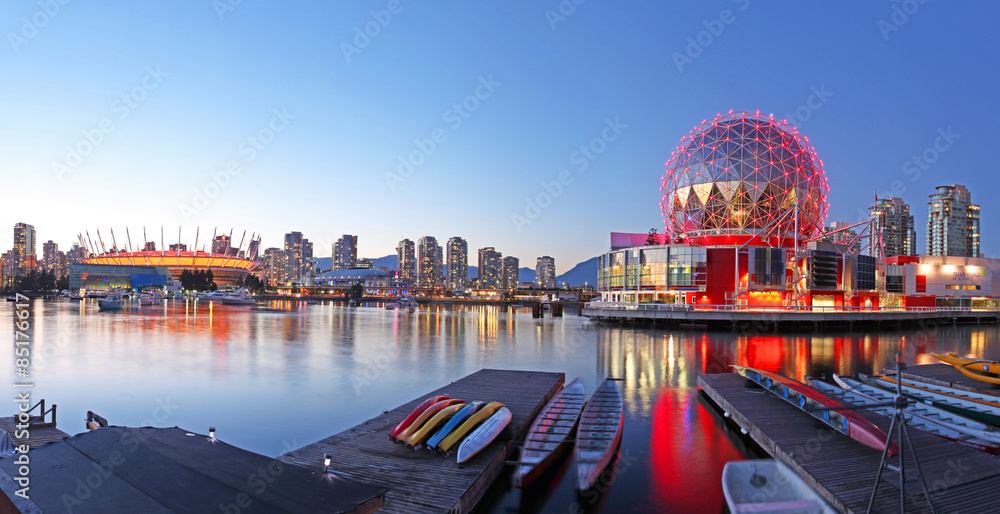
A Comprehensive Guide to Vancouver for the Savvy Senior Traveller
Surrounded by mountains and ocean, Vancouver blends natural beauty with a relaxed, welcoming urban vibe.
A Love Letter to Vancouver: Ocean Breezes, Mountain Views & Easy Days
Nestled between the deep blue of the Pacific Ocean and the majestic peaks of the Coast Mountains, Vancouver is a city that doesn’t just show off its natural beauty; it invites you to become a part of it. For the discerning senior traveller, this Canadian gem offers a rare and delightful blend of sophisticated urban life and serene, accessible wilderness. It’s a place where you can spend your morning admiring First Nations art in a world-class museum and your afternoon strolling along a flat, paved seawall with the scent of pine and salt in the air. The city’s rhythm is unhurried, encouraging a slower, more mindful pace of travel that’s perfect for those who wish to truly savour every moment.
Vancouver is not just beautiful; it is wonderfully practical and welcoming, especially for travellers who value comfort and ease. The city is renowned for its clean streets, exceptional walkability, and a public transport system that is a benchmark for accessibility.1 This is a destination where you can feel confident and independent, whether you’re navigating the bustling Granville Island Market in a mobility scooter or finding a quiet bench in the immaculate Queen Elizabeth Park to simply watch the world go by. It’s a city that understands the importance of safety, comfort, and a warm welcome, allowing you to relax and immerse yourself fully in its unique charm. In this guide, we’ve gathered all the essential information you’ll need to plan your perfect Vancouver adventure, from the best times to visit and comfortable travel tips to accessible activities and the finest local flavours, all tailored for the savvy Australian senior traveller.


The Best Time To Visit
The best time to visit Vancouver is generally June to September for warm, dry weather, though it is also the peak and most expensive season. For a balance of pleasant weather and fewer crowds, consider visiting in the shoulder seasons of spring (March-May) or autumn (September-November)
The Ideal Time:
Timing your visit to Vancouver can make all the difference to your experience, especially when it comes to weather, crowds, and cost.

March–May
The First Sweet Spot. This is arguably one of the best times to visit. The city awakens from winter with a spectacular display of cherry blossoms and tulips. Temperatures are pleasant for walking (around 10-17°C), the summer crowds have yet to arrive, and you can often find better deals on flights and hotels. The only downside is the potential for spring showers, so packing a good waterproof jacket is essential.9

June–August
Peak Season Sunshine. This is Vancouver at its sunniest and warmest, with long, pleasant days perfect for all outdoor activities. The city buzzes with festivals and events. However, this is also the busiest and most expensive time of year. Cruise ships bring thousands of visitors, attractions are crowded, and accommodation prices are at their highest. If you choose to travel in summer, be sure to book everything well in advance.9

September–October
The Second Sweet Spot. As the summer crowds depart, Vancouver settles into a lovely, mellow season. The weather is often still mild and sunny, especially in September, and the parks are ablaze with stunning autumn colours. Hotel and flight prices become more reasonable again, and the whale-watching season is still in full swing. It’s a fantastic time for a relaxed and scenic visit.9

November–February
The Quiet Season. This is the most affordable time to visit, but it comes with a significant trade-off: rain. While Canadians consider Vancouver’s winter to be mild because it rarely freezes, for an Australian, it’s best described as consistently cool, grey, and damp. November is the city’s rainiest month.8 It’s a great time for cosy indoor activities like visiting museums and enjoying the festive season, but less ideal if you’re hoping for long walks in the sun.9
Your Vancouver Trip Planning Essentials
Organising a trip to the other side of the world can feel daunting, but with a little forward planning, your Vancouver adventure will come together smoothly. Here’s what you need to know to get started.
Getting There from Australia:
The long journey from Australia is the biggest hurdle, but choosing the right route and travel class can make it a comfortable and even enjoyable part of your adventure.
Flying from Australia
Direct flights to Vancouver International Airport (YVR) are available from Sydney and Brisbane, typically taking around 13.5 to 15 hours with airlines like Air Canada and Qantas.11 From Melbourne, Adelaide, and Perth, your journey will almost always involve at least one stopover. Common and convenient connection points include Sydney, Auckland, Fiji, or a U.S. city like San Francisco or Los Angeles.13 Be aware that if you transit through the United States, you will need to apply for a U.S. ESTA online beforehand and will have to clear U.S. immigration and customs during your connection, which can add time and complexity to your journey.20
Arriving by Cruise Ship
Vancouver is a world-class cruise destination, and arriving by sea is a truly spectacular way to see the city for the first time. The Canada Place cruise terminal is located right in the heart of downtown, with stunning views of the harbour and mountains. Many travellers start or end an Alaskan cruise here, while others opt for shorter ‘Pacific Coastal’ voyages from cities like Seattle, which offer a wonderfully relaxed and scenic entry into Canada.16 It is important to note that the mandatory Electronic Travel Authorisation (eTA) is required for entry into Canada by air, but not by sea or land.20 This is a key distinction if you are planning a trip that involves both flying and cruising.
Travel Tip: Making the Long Haul More Comfortable
On a 14+ hour flight, comfort is not a luxury—it’s a necessity. While Business Class offers the ultimate experience with a lie-flat bed, don’t overlook Premium Economy. It provides a significant upgrade from Economy with wider seats, more legroom, better recline, and an improved meal service, all at a much lower price point.32 If your primary goal is to arrive well-rested and ready to explore, and your budget allows, the lie-flat seat in Business Class is a health and comfort investment, especially on the overnight leg of the journey. If you’re simply looking for more space and a better experience than economy, Premium Economy offers excellent value. Consider using frequent flyer points for a one-way upgrade, and book well in advance for the best fares.
Sample Trip Durations
Vancouver and its surroundings offer enough to fill any length of holiday. Here are a few ideas to help you decide on the right timeframe for your trip.
- 7-Day City & Nature Taster: This is perfect for a first-time visitor or as a component of a larger North American holiday. It allows you to explore the core of the city, including Stanley Park, Granville Island, and Gastown, at a relaxed pace, with a day trip to the scenic North Shore to see attractions like the Capilano Suspension Bridge or the Sea-to-Sky Gondola.34
- 14-Day Classic West Coast: With two weeks, you can truly immerse yourself in the West Coast lifestyle. This itinerary would include the 7-day city experience and add a multi-day trip over to beautiful Vancouver Island. You could explore the charming, British-influenced capital of Victoria and perhaps venture to the wild, rugged coast of Tofino. Alternatively, you could take a scenic road trip up the spectacular Sea-to-Sky Highway to the world-famous resort town of Whistler.36
- 21-Day ‘Slow Travel’ Discovery: Three weeks gives you the luxury of time to explore more deeply and at a truly leisurely pace. Building on the 14-day itinerary, you could embark on an unforgettable train journey on the Rocky Mountaineer or drive into the Canadian Rockies to experience the stunning national parks of Jasper and Banff. Another wonderful option is to explore the sunny Okanagan Valley, British Columbia’s premier wine region. This timeframe allows for multi-night stays, rest days, and the freedom to linger wherever you please.38
Getting Around Vancouver with Ease:
One of Vancouver’s greatest assets for senior travellers is its outstanding public transport system and its commitment to accessibility. Navigating the city is straightforward, stress-free, and comfortable, allowing you to explore with confidence.
Your Transport Options
The entire Metro Vancouver region is serviced by an integrated public transport network called TransLink, which makes getting around simple and efficient.
- SkyTrain: This is the city’s automated light rail system. It’s fast, clean, and fully accessible, with lifts or ramps at every station. The Canada Line is the most useful for visitors, as it connects Vancouver International Airport (YVR) directly to the downtown core in about 25 minutes.31
- Buses: An extensive bus network covers all corners of the city. Every bus in the TransLink fleet is accessible, equipped with either a ramp or a hydraulic lift, and has designated priority seating areas near the front.31
- SeaBus: This is a delightful passenger ferry that doubles as a scenic mini-cruise. It connects Waterfront Station in downtown Vancouver with Lonsdale Quay in North Vancouver in just 12 minutes. The terminals and the vessel are fully accessible.31
- Taxis and Rideshare: Taxis are readily available throughout the city. Several companies, including Yellow Cab and Maclure’s Cabs, operate wheelchair-accessible vans; it’s best to request one when you book.42 Ride-hailing services like Uber and Lyft also operate in Vancouver and offer accessible vehicle options through their apps.
- BC Ferries: For trips to Vancouver Island (to visit Victoria or Nanaimo), BC Ferries is the main operator. The BC Ferries Connector coach service provides seamless transport from downtown Vancouver to downtown Victoria, including the ferry crossing, and their coaches are wheelchair accessible if you provide at least 48 hours’ notice.44
Mobility & Accessibility in Detail
Vancouver has made a concerted effort to be a city for everyone, and this is reflected in its infrastructure. This commitment goes beyond simple compliance; it’s a core part of the city’s identity that translates into a more dignified and independent travel experience. The city has actively considered the needs of travellers with mobility challenges and has systems in place to provide support, empowering you to travel with confidence and less stress.
- Terrain Summary: The downtown peninsula, the famous Seawall, and nearby areas like Richmond are predominantly flat and very easy to walk or wheel around.29 Some residential neighbourhoods, like the West End, have gentle slopes. The historic Gastown district has some charming but uneven cobblestone streets that require a bit of extra care.29
- Accessibility Features: You’ll find accessible design features throughout the city. These include audible signals at pedestrian crossings, widespread curb ramps on footpaths, low-floor buses for easy boarding, priority seating on all forms of transit, and even tactile and Braille signage at every bus stop.31
Mobility Aid Rentals: If you’d prefer not to travel with your own scooter or wheelchair, renting one locally is a great option. Several reputable companies offer this service, often with delivery to your hotel.
- Providers: Companies like Scootaround, Scooter City, and Macdonald’s Home Health Care offer a range of devices.47
- Approximate Costs: Expect to pay around $15–$20 CAD per day or $65–$100 CAD per month for a standard wheelchair. Mobility scooters typically rent for about $50 CAD per day or $125–$350 CAD for a week or month.50
How to Request Assistance:
- At YVR Airport: You can pre-arrange curbside assistance by calling the airport’s customer service up to 48 hours in advance. They can help you from the curb to the check-in counter. From there, your airline is responsible for providing assistance to the gate and onto the aircraft. Be sure to request this when you book your flight.54
- On Public Transport: For assistance on the SkyTrain, such as needing a sighted guide or help at the fare gates, you can call the specific line’s assistance number (e.g., Expo and Millennium Lines: 604-520-5518) at least 10 minutes before you arrive at the station. Staff will be dispatched to meet and assist you.31
Senior-Friendly Transport Passes
Paying for transit is simple and cost-effective, with great options for seniors.
- Concession Compass Card: This is your key to affordable travel. Seniors aged 65 and over are eligible for a Concession Compass Card (it’s orange). You can buy one for a $6 refundable deposit and load it with ‘Stored Value’ (pay-as-you-go credit). Tapping your card when you travel automatically deducts the discounted concession fare. For longer stays, you can load a discounted all-zone Monthly Pass for just $63.80 CAD, offering unlimited travel.27
- Hop-On, Hop-Off Buses: These tours are an excellent, stress-free way to get an overview of the city’s main attractions. Companies like Westcoast Sightseeing and Big Bus operate loops that cover Stanley Park, Granville Island, Gastown, and more.57 Most of their buses can accommodate collapsible wheelchairs and walkers on the lower deck, but they are generally unable to take motorised scooters. It is crucial to confirm accessibility with the company when booking your ticket.59
Vancouver At A Glance: Snapshot & Quick Facts
Here are the essential details you’ll need for your Vancouver trip, all in one convenient place.
| Category |
Details |
| Currency | Canadian Dollar (CAD). Typically, 1 AUD is about 0.90 CAD, but check the latest rates before you travel.2 |
| Time Zone | Pacific Time (PT). Vancouver is 18 hours behind Australian Eastern Daylight Time (AEDT) and 17 hours behind AEST. When it’s midday Saturday in Sydney, it’s 6 PM Friday in Vancouver.2 |
| Language | English is the primary language. You’ll find it spoken everywhere. The city is also incredibly multicultural, with over 190 languages spoken.5 |
| Climate | Spring (Mar-May): 4–17°C, 66–150 mm rain. Summer (Jun-Aug): 12–22°C, 33–53 mm rain. Autumn (Sep-Nov): 4–18°C, 66–251 mm rain. Winter (Dec-Feb): 2–8°C, 165–213 mm rain.7 |
| Best Months to Visit | March to May and September to October. These shoulder seasons offer mild weather, beautiful scenery (cherry blossoms in spring, colourful leaves in autumn), fewer crowds, and more reasonable prices.9 |
| Flight Time from Australia | Direct: From Sydney or Brisbane, it’s about 13.5 to 15 hours. One-stop: From Melbourne, expect 15 to 17 hours. From Adelaide or Perth: it’s typically 19 to 25+ hours with connections.11 |
| Cruise Options | Vancouver is a major hub for cruises to Alaska and along the Pacific Coast. Major lines like Holland America, Princess, Carnival, and Royal Caribbean operate from the downtown Canada Place terminal.16 |
| Visa for Australians | A visa is not required for tourist stays of less than six months. However, an Electronic Travel Authorisation (eTA) is mandatory if you are arriving by air. You must apply for this online before you travel. It is not required if arriving by sea or land.18 |
| Emergency Numbers | For Police, Fire, or Ambulance, dial 911. For non-emergency health advice, call HealthLink BC at 811.21 |
| Power Plugs & Voltage | Canada uses Type A and Type B plugs (two or three flat pins). The voltage is 120V / 60Hz. You will need a plug adapter. For many Australian devices (like hair dryers or some medical equipment), you will also need a voltage converter. Check your device label for ‘INPUT: 100-240V’; if it doesn’t say this, a simple adapter is not enough.24 |
| Senior Discounts? | Yes. Discounts (often called ‘concession’ or ‘senior’ rates) are widely available for those 65+ at attractions, on public transport, and in some shops and restaurants. Always carry photo ID and don’t be afraid to ask!26 |
| Wheelchair Accessibility | Rating: 4.5 / 5. Vancouver is exceptionally accessible. The public transport system is excellent, and many key attractions and public spaces (like the Seawall) are flat and well-paved.1 |
Why You'll Absolutely Love Vancouver
Vancouver has a special kind of magic that seems tailor-made for travellers who appreciate comfort, beauty, and a relaxed atmosphere. It’s a city that consistently wins hearts, and here are a few reasons why it will likely win yours too.
A Gentle Pace of Life:
Unlike many sprawling metropolises, Vancouver’s vibe is refreshingly calm. The city’s culture is deeply connected to the outdoors, encouraging a lifestyle that values taking the time to enjoy a walk in the park or a coffee with a view. It’s the perfect setting to explore at your own pace, without the pressure to rush from one place to the next.1
Scenery That Soothes the Soul:
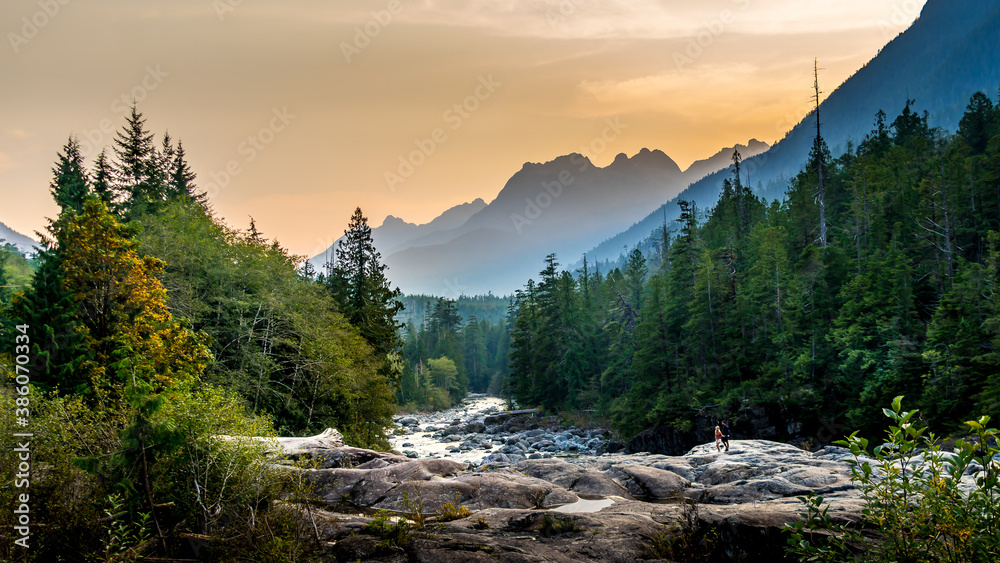
The natural setting is simply breathtaking. Majestic, often snow-capped mountains form a dramatic backdrop to the city skyline, while the sparkling waters of the Pacific Ocean and Burrard Inlet frame it. Lush green spaces are woven throughout the urban fabric, creating a constant connection to nature that is both beautiful and restorative.1
Effortlessly Easy to Explore:
Vancouver is a wonderfully compact and walkable city, especially in the downtown core.1 Many of the most popular areas are flat, with wide, well-maintained footpaths. When you want to go further afield, the world-class TransLink public transport system – with its fully accessible trains, buses, and ferries – makes getting around a breeze, even for those with mobility considerations.29
Safe and Welcoming:
Peace of mind is a priceless part of any holiday, and Vancouver delivers. It is consistently ranked as one of the safest and most liveable cities in the world.1 This allows you to relax, explore with confidence, and focus on enjoying your surroundings.
A Feast for the Senses:
The city offers a rich tapestry of gentle, engaging experiences. You can immerse yourself in the vibrant sights and smells of the Granville Island Public Market, delve into the profound history of the region’s First Nations peoples at world-renowned museums, or simply enjoy some of the freshest, most delicious seafood you’ll ever taste.1
Did You Know?
Vancouver’s famous Seawall, which wraps around the magnificent Stanley Park, is the world’s longest uninterrupted waterfront path. Its total length is an impressive 28 km, but the most popular Stanley Park section is a flat, paved 9 km loop. It’s absolutely perfect for a gentle stroll, a leisurely e-bike ride, or a scooter journey with spectacular ocean, mountain, and city views at every turn! 1
Vancouver's Calendar: Festivals & Events
Vancouver hosts a vibrant array of events throughout the year. Here’s a snapshot of some annual highlights, with notes on their suitability for senior travellers.
January: Dine Out Vancouver Festival
A fantastic two-week foodie event where hundreds of restaurants offer special multi-course menus at fixed prices. It’s a great opportunity to try some of the city’s best dining spots without breaking the bank. Suitability: Excellent. Reservations are essential.9
February: Vancouver International Wine Festival
One of the biggest and best wine festivals in North America. It features tasting events, winery dinners, and seminars. Suitability: Good, though the main tasting events can be very crowded. Consider a winery dinner for a more relaxed experience.9
April: Vancouver Cherry Blossom Festival
A city-wide celebration of the tens of thousands of cherry trees that burst into bloom. The festival includes concerts, guided walks, and other events. Suitability: Excellent. Many events are free, outdoors, and very relaxed.9
June–September: Bard on the Beach Shakespeare Festival
A beloved Vancouver tradition. High-quality Shakespeare productions are performed in large tents on the waterfront in Vanier Park, with the city and mountains as a backdrop. Suitability: Excellent. The venue is seated, covered, and very comfortable. 9
July 1: Canada Day
The nation’s birthday is celebrated with parades, live music, and a huge fireworks display at Canada Place. Suitability: Moderate. Expect very large crowds, especially in the evening for the fireworks. It’s best enjoyed from a distance or by booking a spot at a ticketed viewing area if available. 9
July: Vancouver Folk Music Festival
A three-day outdoor festival at Jericho Beach with a wonderfully relaxed, family-friendly atmosphere. You can bring your own low-slung chairs and blankets. Suitability: Very good. The vibe is mellow, and there’s plenty of space to find a comfortable spot.9
September: Vancouver International Film Festival (VIFF)
A major film festival showcasing hundreds of films from around the world. Suitability: Excellent. All venues are seated cinemas. A great option for a rainy autumn day. 9
December: Holiday Events
The city gets very festive. Highlights include the Festival of Lights at VanDusen Botanical Garden and the European-style Vancouver Christmas Market at Jack Poole Plaza.
- Suitability: Good, but can be crowded, especially on weekends. Go on a weeknight for a more comfortable experience. 10
Ongoing: Seniors Centre Activities
Local community centres like the 411 Seniors Centre Society and the North Shore Neighbourhood House host a fantastic variety of ongoing programs, from fitness classes and workshops to social events and bus trips. It’s worth checking their calendars if you’re in town for a longer stay and want to connect with local seniors.111
Final Word
Vancouver has a way of capturing your heart. It’s a city where the grandeur of nature and the comforts of modern life exist in perfect harmony, creating a destination that is as exhilarating as it is relaxing. We hope this guide helps you plan a journey that is smooth, comfortable, and filled with moments of joy and discovery. From the fresh scent of the rainforest in Stanley Park to the vibrant energy of the Granville Island Market, may your trip be everything you dreamed of and more.
As you prepare to leave, you might hear a local farewell from the Nuu-chah-nulth peoples of Vancouver Island: ‘cuu’ (pronounced choo). It doesn’t mean ‘goodbye,’ but rather, ‘see you later’.126 It’s a lovely sentiment to carry with you; a promise of return to a place that will surely welcome you back with open arms. Safe travels!
