

A Comprehensive Guide to Phnom Penh for the Savvy Senior Traveller
Your handy travel buddy
Sua s’dei Phnom Penh! Where Every Smile Feels Like Home
If you’re dreaming of a destination that elegantly balances the grandeur of the past with a vibrant, forward-looking spirit, then allow us to introduce you to Phnom Penh. Cambodia’s capital is a city of captivating contrasts, where saffron-robed monks stroll past bustling cafes and gleaming French colonial mansions line leafy boulevards. Its charm endures, offering a gentler pace than many of its Southeast Asian neighbours.1 It’s a place where you can truly unwind, whether you’re sipping a coffee by the serene riverfront or simply watching the world go by from the comfort of a cyclo.
This is a city with a profound and poignant story. Its recent history is deeply moving, yet what shines through most brightly is the incredible resilience, optimism, and warmth of the Khmer people. This remarkable spirit transforms a simple holiday into a deeply enriching and memorable experience. You’ll find that a friendly smile and a genuine welcome are never far away. In this guide, we’ve gathered all the practical tips and savvy advice you’ll need to explore this enchanting capital with complete confidence, comfort, and joy.


The Best Time To Visit
For a great balance of pleasant weather and manageable crowds, consider the shoulder-season sweet spots of late October to early November, or late February to early March.
The Ideal Time:
Choosing the right time to visit can make all the difference to your comfort and enjoyment. Phnom Penh has three distinct seasons:

November – February
This is the absolute sweet spot and the most popular time to visit. Temperatures are a pleasant 26–28°C, humidity is low, and skies are generally clear, making it perfect for exploring the city’s sights on foot or by remork (tuk-tuk). As it’s peak season, it’s wise to book your accommodation and any tours well in advance.10

March – May
As the name suggests, this period can be a real sizzler, with temperatures often climbing above 35°C and humidity to match. If you don’t mind the heat, you’ll be rewarded with fewer crowds. The key is to plan your activities for the early morning and late afternoon, leaving the middle of the day for a rest by the hotel pool.10

June – October
Don’t be put off by the name! This is the ‘green season,’ when the countryside is at its most lush and beautiful. Rain usually comes in short, heavy downpours in the afternoon, which can be a welcome relief from the humidity. It’s a great time to travel if you’re looking for lower prices and fewer tourists, with the heaviest rainfall typically in September and October.10
Your Phnom Penh Trip Planning Essentials
A little forward planning goes a long way to ensuring a smooth and enjoyable trip. Here are the key things to consider.
Getting There from Australia:
Getting to Phnom Penh from Australia is straightforward, though it requires at least one stopover.
- Flights: There are currently no direct flights from Australia to Cambodia.38 The most convenient routes involve a single stop in a major Asian hub. Excellent options include flying with Singapore Airlines via Singapore, THAI Airways via Bangkok, or Malaysia Airlines via Kuala Lumpur. Including the stopover, your total travel time will likely be between 11 and 17 hours, depending on your departure city and connection time.14
- Cruising: For a truly memorable and relaxing arrival, consider a Mekong River cruise. Many popular itineraries travel between Ho Chi Minh City in Vietnam and Siem Reap (for the Angkor temples), with Phnom Penh serving as a major and fascinating multi-day stop along the way. It’s a wonderful way to see the countryside and life along the river at a leisurely pace.17
Travel Tip: Comfort on the Long Haul
For the long-haul flight, treating yourself to Premium Economy can be a game-changer. You’ll appreciate the extra legroom, wider seats, and upgraded service. Keep an eye out for sales or consider using your frequent flyer points for an upgrade. It can make all the difference in arriving refreshed and ready to explore.
Sample Trip Durations
Phnom Penh can be enjoyed at any pace, but here are a few ideas to get you started:
- 7-Day Taster: Perfect for a relaxed introduction focused solely on Phnom Penh. This gives you ample time to see the main sights, enjoy a day trip to the nearby former capital of Oudong, and still have plenty of downtime to relax by the pool or explore local cafes.
- 14-Day Classic: This is the most popular option for first-time visitors. Spend 4-5 days in Phnom Penh before taking a short flight or a scenic river cruise up to Siem Reap to spend a week exploring the magnificent temples of Angkor.26
- 21-Day ‘Slow Travel’ Immersion: For a deeper dive into Cambodia, extend your trip to include the charming, colonial-era city of Battambang and the laid-back coastal towns of Kampot and Kep, famous for their pepper plantations and fresh crab.26 This allows for a truly unhurried and immersive experience.
Getting Around Phnom Penh with Ease:
Navigating Phnom Penh is surprisingly easy and affordable, thanks to a few key options.
Transport Overview
- Remorks (Tuk-Tuks) & Taxis via Apps: This is, without a doubt, the best way for visitors to get around. Forget haggling on the street; modern ride-hailing apps like Grab and PassApp are king here.42 You simply enter your destination, the app gives you a fixed price upfront, and a driver comes to you. You can choose between a traditional open-air remork, a smaller covered rickshaw, or an air-conditioned car. It’s safe, convenient, and incredibly cheap.
- Cyclos: These charming three-wheeled bicycle rickshaws are a quintessential Phnom Penh experience. They offer a very slow, leisurely pace, perfect for a short, scenic ride along the riverfront. Think of it less as transport and more as a relaxing sightseeing activity.45
- Private Driver: For a full day of sightseeing, especially for trips out to the Killing Fields or beyond, hiring a private car and driver is an excellent and surprisingly affordable option. It offers door-to-door service, air-conditioned comfort, and complete flexibility. Your hotel can easily arrange this for you.47
Mobility & Accessibility
It’s important to be realistic about the challenges of getting around Phnom Penh if you have mobility issues. The city is very flat, which is a great start, but the infrastructure can be difficult.
- Footpaths and Walkability: This is the city’s biggest accessibility hurdle. Footpaths, where they exist, are often broken, uneven, or completely blocked by parked motorbikes, food stalls, and other obstacles.49 This frequently forces pedestrians to walk on the edge of the road, which requires care and attention. For those who are unsteady on their feet or use a walker, independent walking can be very challenging.
- Ramps and Lifts: Availability is very limited. You can expect modern international hotels, new shopping malls, and the airport to be equipped with ramps and lifts. However, most older buildings, temples, local restaurants, and shops will have steps at their entrance.52
- Mobility Aid Rentals: Dedicated services for renting mobility scooters are not established in Phnom Penh.54 While some companies in Siem Reap offer wheelchair rentals (often including an assistant), these services don’t appear to operate in the capital, so it’s essential to bring any necessary aids from home.56
The Mobilituk (Wheelchair-Accessible Remork): An innovative local social enterprise called Agile Development Group created the Mobilituk—a remork cleverly modified with a fold-down ramp at the back to allow a wheelchair to roll straight in.57 This is a fantastic solution, though its availability is limited. To book, it is crucial to make contact well in advance of your trip to confirm it is still operational and to arrange a booking.
- Booking Contacts: Try calling or using WhatsApp/Telegram at +855 78 972 580 58 or enquire through the House Boutique Eco Hotel at +855 (0) 23 220 884.31
- Requesting Airport Assistance: If you require wheelchair assistance at Phnom Penh International Airport (PNH), you must arrange it directly with your airline when you book your flight. The airport is modern and well-equipped to help, but the service needs to be requested in advance.59
The physical environment of Phnom Penh can be tough, but this is balanced by the helpfulness of its people and the affordability of private transport. This means that while independent exploration on foot might be difficult, a comfortable and personalised trip is very achievable by planning ahead and relying on pre-booked, door-to-door transport like a private car or the Mobilituk.
Senior-Friendly Transport Passes
While traditional multi-day transport passes are not common, there are a couple of convenient options:
- Hop-On-Hop-Off Bus: A tourist bus service operates in the city, covering the main landmarks. It can be a good, low-exertion way to get an overview of Phnom Penh’s layout. Some tours are listed as wheelchair accessible, but it’s vital to confirm the specifics of boarding with the operator before booking.61
- Private Day Hire: The most flexible and comfortable ‘pass’ is to hire a car and driver for the day. For a very reasonable price, you get a personal, air-conditioned vehicle that will take you wherever you want to go, wait for you at each stop, and bring you back to your hotel.
Phnom Penh At A Glance: Snapshot & Quick Facts
Here’s a handy, at-a-glance summary of all the essential details you’ll need for planning your trip.
| Category |
Details |
| Currency | Dual currency system: US Dollar (USD) for most transactions; Cambodian Riel (KHR) for small change. It’s best to carry small US notes. Approx. $1 AUD \approx 2,600 KHR.3 |
| Time Zone | Indochina Time (UTC+7). 3 hours behind Australian Eastern Standard Time (AEST) and 4 hours behind Australian Eastern Daylight Time (AEDT).5 |
| Language | Khmer is the official language. English is widely spoken in hotels, restaurants, and tourist areas, especially by younger generations.8 |
| Climate | Cool, Dry (Nov–Feb): 26–28°C, low humidity.
Hot, Dry (Mar–May): 31°C+, high humidity. Wet Season (Jun–Oct): 27–28°C, with afternoon downpours.10 |
| Best Months to Visit | November to February. The weather is comfortably warm and dry, making it perfect for sightseeing.10 |
| Flight Time | No direct flights from Australia. With one stopover (e.g., Singapore, Bangkok), total travel time is typically 11–17 hours from major Australian cities.13 |
| Cruise Options | Mekong River cruises are a popular way to travel between Vietnam and Cambodia, with Phnom Penh being a key port of call.17 |
| Visa for Australians | A 30-day tourist visa is required. You can get a visa on arrival at the airport or apply for an e-Visa online before you travel. An E-Arrival Card must also be completed online within 7 days of arrival.19 |
| Emergency Numbers | Police: 117 │ Fire: 118 │ Ambulance: 119 │ Tourist Police (Phnom Penh): 012 942 484.22 |
| Power Plugs | Types A, C, and G. Voltage is 230V / 50Hz. Australian appliances work fine, but a universal adapter is highly recommended to fit the various socket types.24 |
| Senior Discounts? | Generally, no. Official senior discounts at attractions are not common practice in Cambodia.26 |
| Wheelchair Accessibility | Rating: 1.5 / 5. Very challenging. Footpaths are poor or non-existent, and few places have ramps or lifts. Pre-booking accessible transport and tours is essential for wheelchair users.30 |
Why Seniors Love Phnom Penh
Phnom Penh has a special kind of magic that particularly resonates with mature travellers. It’s a city that invites you to slow down and truly connect with its story, rather than just ticking off a list of sights.
A Gentle Pace of Life:
Unlike the frenetic energy of some other Asian capitals, Phnom Penh moves to a more relaxed rhythm. The breezy riverfront is the city’s heart, perfect for a leisurely stroll, a quiet drink, or simply watching the fascinating boat traffic drift by on the Mekong and Tonle Sap rivers.2
Incredibly Rich History & Culture:
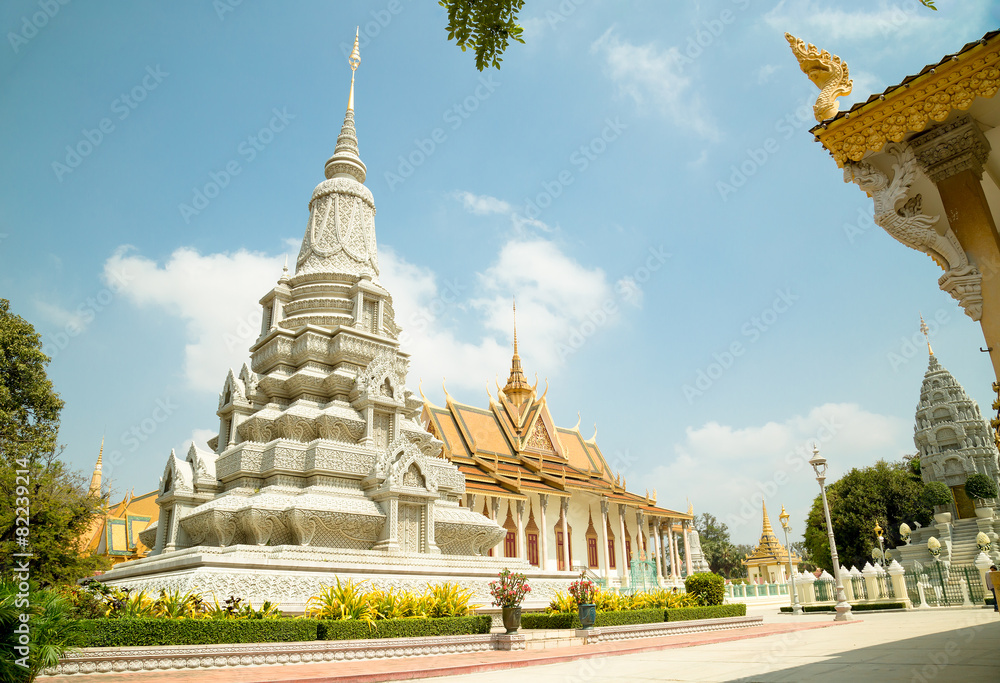
The city is a living museum. You can marvel at the shimmering rooftops of the Royal Palace, delve into the world-class collection of Khmer art at the National Museum, and gain a profound understanding of Cambodia’s resilience by visiting the poignant historical sites of the Khmer Rouge era.1
Remarkable Affordability:
Your Australian dollar goes a long way here. From delicious meals at local restaurants to comfortable transport and lovely accommodation, you’ll find that Phnom Penh offers exceptional value for money. This makes it easier to enjoy a longer, more comfortable stay without breaking the bank.33
The Warmth of the Khmer People:
Perhaps the most enduring memory for many visitors is the genuine warmth and friendliness of the Cambodian people. Their kindness, smiles, and resilient spirit in the face of a difficult past are truly inspiring and make for a wonderfully welcoming atmosphere.35
Accessible Soft Adventures:
You don’t need to be a thrill-seeker to have an adventure here. Gentle experiences like a sunset cruise on the river, a hands-on Khmer cooking class, or an easy-paced tour of Silk Island offer delightful and memorable ways to experience the local culture without being physically demanding.36
Did You Know?
In its heyday during the French colonial period, Phnom Penh was celebrated as the ‘Pearl of Asia’ for its graceful, tree-lined boulevards and stunning colonial and Art Deco architecture. You can still see beautiful examples of this elegant past in the city’s historic central districts.1
Festivals & Events Calendar
Experiencing a local festival can be a highlight of your trip, offering a vibrant insight into Khmer culture.
- April (mid-month) – Khmer New Year (Choul Chnam Thmey): This is the biggest and most important festival in Cambodia, a three-day public holiday celebrating the end of the harvest season. It’s a joyous time of family gatherings and temple visits. Be prepared for some good-natured water-throwing in the streets, which symbolises washing away bad luck! Many small businesses close during this period.110
- May – Royal Ploughing Ceremony: This ancient and colourful royal ceremony, often presided over by the King, marks the traditional start of the rice-planting season. It’s a unique cultural spectacle held in a large park near the Royal Palace.110
- September/October – Pchum Ben (Ancestor’s Day): A deeply significant 15-day religious festival where Cambodians pay respect to their ancestors by visiting pagodas and making food offerings to monks. It’s a fascinating time to witness local traditions, but be aware that it is a very busy travel time for locals.110
- November – Water Festival (Bon Om Touk): This spectacular three-day festival celebrates the unique natural phenomenon of the reversal of the flow of the Tonle Sap River. The highlight is the thrilling dragon boat races on the river in front of the Royal Palace.
- Senior Suitability: The riverfront becomes extremely crowded and boisterous. It’s a fantastic spectacle, but best enjoyed from a more comfortable vantage point, like a hotel balcony or a rooftop bar, rather than in the midst of the crowds.110
The Final Word
Phnom Penh is a city that truly gets under your skin. It’s a place of profound history, incredible resilience, and a gentle, welcoming charm that leaves a lasting impression. We hope this guide helps you plan a wonderful, comfortable, and enriching journey to Cambodia’s captivating capital.
We hope you have a fantastic trip. Lea hai! (Goodbye!)
