

A Comprehensive Guide to Tokyo for the Savvy Senior Traveller
Your handy travel buddy
Discover Tokyo: Where the Future Meets Tradition
When you picture Tokyo, your mind might leap to dazzling neon signs and the famous Shibuya Scramble Crossing, a whirlwind of humanity. It’s easy to assume this sprawling metropolis is a place of relentless, frenetic energy, perhaps a little daunting for those who prefer to travel at a more considered pace. But that image only tells a fraction of the story. For the senior traveller, Tokyo reveals itself to be something quite unexpected: a city that is exceptionally safe, astonishingly clean, and operates with a deep-seated cultural respect for its elders that you’ll feel in every polite bow and helpful gesture.1
Look beyond the skyscrapers, and you’ll discover a city that perfectly balances the ancient with the ultra-modern, making it an incredibly comfortable and enriching destination. Imagine starting your day with a peaceful stroll through a centuries-old garden, followed by an afternoon exploring world-class art in a quiet museum, and finishing with a meal so delicious it becomes a treasured memory.2 This is the Tokyo that awaits you: a city where a marvel of punctual, accessible public transport makes every corner easy to reach, and where a gentle pace of life can be found just around the corner from the bustling main streets.1
So, grab a cuppa and settle in. This guide is your trusted companion, packed with all the practical tips, friendly advice, and inspiration you need to plan a brilliant, worry-free adventure in one of the world’s most fascinating cities.


The Best Time To Visit
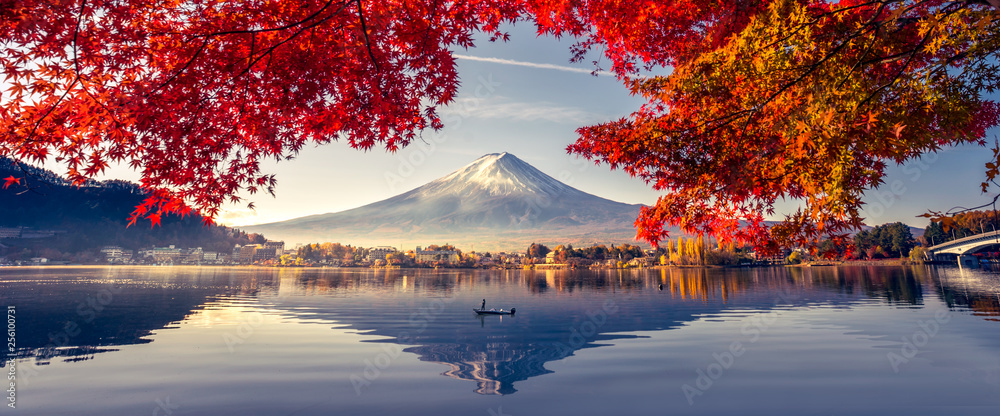
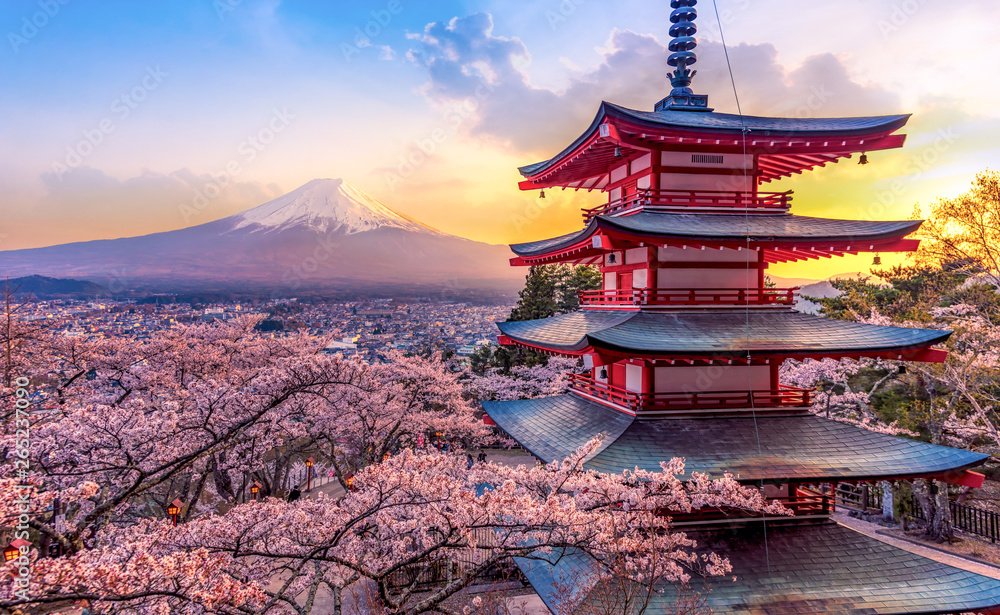
For the best balance of beautiful scenery, comfortable weather, and slightly smaller crowds, the ideal times for senior travellers are late March (to catch the start of the cherry blossoms before the biggest crowds arrive) and mid-to-late November (for lovely autumn colours and crisp, clear days).13
The Ideal Time:
Choosing the right time to visit can make all the difference to your comfort and enjoyment.

March-May
This is a magical time, famous for the breathtaking cherry blossom season (late March to early April). The weather is pleasantly mild, making it perfect for strolling through parks and gardens. However, this is also peak season. It can be very crowded, especially during the ‘Golden Week’ national holidays in late April and early May, and you’ll need to book accommodation and flights many months in advance.12

June-August
The city is lush and green, and there are many vibrant local festivals (matsuri). The downside is the weather; it gets very hot and humid, with June being the wettest month of the year. For many, the heat can be physically draining and uncomfortable for extensive sightseeing.10

September-November
Along with spring, this is the other prime season to visit. The autumn foliage is spectacular, and the weather is typically clear, dry, and mild. September can still have heavy rain and is the peak of typhoon season, so October and November are the safer bets. It’s a popular time, so expect crowds in the famous gardens.12

December-February
If you don’t mind the cold, winter can be a wonderful time to visit. The crowds are much thinner, and the crisp, clear air provides the best chance of seeing the iconic Mount Fuji from city viewpoints. The festive illuminations are also beautiful. Temperatures are chilly, averaging 4–10°C, so you’ll need to pack warmly.10
Your Tokyo Trip Planning Essentials
A little forward planning goes a long way to making your Tokyo holiday seamless and stress-free.
Getting There from Australia:
Flying from Australia: Major airlines, including Qantas, Japan Airlines (JAL), and All Nippon Airways (ANA), offer direct flights to Tokyo’s two main airports, Narita (NRT) and Haneda (HND). Direct routes are available from Sydney, Melbourne, Brisbane, and Perth.16 Haneda is closer to the city centre, making for a quicker transfer to your hotel. Flights from Adelaide and other cities will require a stopover, usually in another Australian capital or an Asian hub like Singapore.
Cruising to Japan: Cruising is a leisurely way to arrive, but it requires a significant time commitment. Cruises from Australia (typically Sydney) to Japan are usually part of longer repositioning voyages or round-the-world trips, often lasting 30 to 50 nights or more. Cruise lines like Azamara, Oceania, and Holland America sometimes feature these routes.21
Travel Tip: Arrive Refreshed on Long-Haul Flights
For the approximately 10-hour flight, consider booking a Premium Economy seat. It provides a noticeable difference with extra legroom, wider seats, and better recline, all without the full expense of Business Class.46 To further enhance your comfort, pack a personal ‘cabin comfort kit’ in your carry-on. Include noise-cancelling headphones, an eye mask, slippers, and most importantly, compression socks to promote circulation and reduce the risk of DVT on the long flight. Keep any essential medications with you in this kit as well.47
Sample Trip Durations
- The 7-Day Taster: This is perfect for a first-time visit focusing solely on Tokyo. It gives you enough time to explore three or four key neighbourhoods at a relaxed pace, with plenty of time for rest and spontaneous discoveries.
- The 14-Day Classic: This is arguably the ideal trip length. It allows for a full week to immerse yourself in Tokyo, followed by a week exploring another iconic region. A popular choice is to take the Shinkansen (bullet train) to the Kansai region to visit historic Kyoto, with a stop in Hakone for spectacular views of Mount Fuji.
- The 21-Day ‘Slow Travel’ Immersion: For those with the luxury of time, a three-week trip allows for a truly in-depth experience. You can delve deep into Tokyo’s neighbourhoods and then comfortably explore two other distinct regions, such as Kyoto and Osaka, followed by the beautiful Japanese Alps, without ever feeling rushed.
Getting Around Tokyo with Ease:
Tokyo’s public transport is the best way to see the city. It’s famously clean, safe, and so punctual you can set your watch by it.1
Transport Overview
- Trains (JR & Subway): This is the city’s lifeblood. The system is made up of Japan Railways (JR) lines and two separate subway networks (Tokyo Metro and Toei Subway). The JR Yamanote Line is particularly useful as it runs in a loop, connecting most of Tokyo’s major city centres like Shinjuku, Shibuya, and Tokyo Station.
- Buses: These are handy for reaching areas not directly served by a train station. Most city buses are modern, low-floor models designed for easy access.48
- Taxis & Rideshare: Taxis are everywhere. They are immaculately clean and safe, though they are a more expensive option for longer journeys. Many are now ‘Universal Design’ models that can accommodate wheelchairs. Rideshare apps like Go Taxi are also available and work similarly to those in Australia.50
Mobility & Accessibility
Tokyo is a world leader in public transport accessibility, making it a remarkably manageable city for travellers with mobility considerations. The system is built around a philosophy of proactive and dignified assistance, which removes much of the uncertainty and stress that can accompany travel.
- Terrain Summary: Most of central Tokyo is very flat, making it a pleasure to explore on foot. Main streets, parks, and modern commercial areas are well-paved and easy to navigate. Some older, traditional neighbourhoods like Yanaka may have narrower laneways, but are still generally flat.
Infrastructure:
- Train Stations: You can navigate the vast majority of Tokyo’s train network without ever needing to use stairs. Almost every station in the central area is equipped with lifts and escalators.36 Station staff are renowned for their helpfulness. If there is a gap between the platform and the train, simply approach the staff at the ticket gate. They will bring a portable ramp for you to board safely and, crucially, will call ahead to your destination station to ensure another staff member is waiting with a ramp to help you disembark. This seamless, coordinated service is a standard procedure, designed to ensure a smooth journey from start to finish.36
- Buses: The majority of city buses are ‘non-step’ low-floor vehicles. The driver will deploy a ramp and fold up seats to create a dedicated space for a wheelchair or mobility scooter.48
- Accessible Taxis: An increasing number of taxis are the modern, high-roofed ‘JPN Taxi’ model, which are designed as ‘Universal Design’ vehicles and can accommodate a standard-sized wheelchair without the passenger needing to transfer. For larger mobility devices or guaranteed service, specialised accessible taxi companies can be booked in advance.51
Mobility Aid Rentals: If you’d prefer not to travel with your own device, companies like Scootaround can rent and deliver mobility scooters and wheelchairs directly to your hotel for the duration of your stay. It’s essential to book this service well in advance of your trip.53
How to Request Assistance: Don’t be shy! At any train station, simply go to the staffed ticket gate and say, ‘Sumimasen, rampu onegaishimasu’ (pronounced: soo-mee-mah-sen, rahm-poo oh-neh-guy-shee-mahs), which means, ‘Excuse me, a ramp please.’ The staff will understand immediately and take care of everything for you.
Senior-Friendly Transport Passes
While discounts for senior tourists are rare, several passes offer excellent convenience and value.
- IC Cards (Suica or Pasmo): This is our top recommendation. These are rechargeable tap-and-go cards, just like an Opal, Myki, or go card. They don’t provide a discount on fares, but their convenience is unbeatable; no more fumbling for cash or trying to figure out ticket machines for every trip. You can also use them to pay at convenience stores, vending machines, and even some shops. For tourists, the ‘Welcome Suica’ is ideal as it requires no deposit and is valid for 28 days.54 You can even add a digital version to your smartphone’s wallet for easy top-ups with your credit card.50
- Tokyo Subway Ticket (24, 48, or 72-hour): If you plan to do a lot of sightseeing using the subway, this pass offers fantastic value. It gives you unlimited travel on all nine Tokyo Metro and four Toei Subway lines. You can buy it at the airport or major metro stations by showing your passport.55
- Japan Rail (JR) Pass: It’s important to understand that the nationwide JR Pass is designed for long-distance, inter-city travel on the Shinkansen. It is not cost-effective if you are only staying within Tokyo. There are no senior discounts available for tourists on this pass.33
- Silver Pass: You may read about a ‘Silver Pass’ for seniors. Please note that these passes are for local residents only and cannot be purchased by tourists.59
Tokyo Snapshot & Quick Facts
The practicalities of getting to Tokyo from Australia are remarkably straightforward. The visa-free entry for up to 90 days removes a significant layer of pre-trip paperwork.24 Combined with a minimal time difference of only one or two hours, this means you can arrive feeling refreshed and ready to explore, as the disruptive effects of jet lag are virtually non-existent.5 With direct flights available from most major Australian cities, the journey itself is as seamless as possible, making Tokyo one of the most comfortable long-haul destinations to reach.16
Here’s all the essential information you’ll need for your trip, all in one handy spot.
|
Category |
Details |
| Currency | Japanese Yen (JPY / ¥). Approx. AUD $1 = ¥100–¥105 (check current rates).5 |
| Time Zone | JST (UTC+9). 1 hr behind AEST (e.g., 12pm Sydney = 11am Tokyo). 2 hrs behind AEDT during daylight saving.5 |
| Language | Japanese. English is not widely spoken outside major tourist areas, hotels, and stations. Staff are extremely helpful, but a translation app is recommended.7 |
| Avg. Temps & Rainfall | Spring (Mar-May): 11–18°C, ~120mm/month. Summer (Jun-Aug): 22–28°C, ~170mm/month (hot & humid). Autumn (Sep-Nov): 15–21°C, ~190mm/month (Sep is wettest). Winter (Dec-Feb): 4–10°C, ~50mm/month.10 |
| Best Months to Visit | March–April (cherry blossoms) & October–November (autumn leaves). The weather is mild, clear, and comfortable for walking. Avoid the intense heat and humidity of July-August.12 |
| Flight Time (Direct) | SYD/MEL: ~10-10.5 hrs. BNE: ~9.5 hrs. PER: ~9.5-10 hrs. ADL: ~13.5+ hrs (with stopover).15 |
| Cruise Options | Yes, primarily as part of longer Asia or world cruises from Sydney. Durations are typically 25+ nights. Lines include Azamara, Oceania, Holland America.21 |
| Visa for Australians | No visa required for tourist stays up to 90 days. A valid Australian passport is required for the duration of your stay.24 |
| Emergency Numbers | Police: 110. Fire/Ambulance: 119 (English-speaking operators available). Japan Visitor Hotline: 050-3816-2787.27 |
| Power Plugs | Type A / B (two flat parallel pins, sometimes with a third grounding pin). Voltage is 100V. Australian appliances will need a plug adapter and may need a voltage converter (check your device’s label for ‘INPUT: 100-240V’).30 |
| Senior Discounts? | Generally, No for Tourists. Most transport passes (like the JR Pass) do not offer senior discounts for tourists.33 Some museums, gardens, and attractions may offer discounts for ages 65+ or 70+ on presentation of a passport.34 Always worth asking! |
| Wheelchair Accessibility | Rating: 4.5 / 5. Excellent. Most train stations have lifts and ramps, buses are low-floor, and accessible taxis are available. Some older areas or smaller shops may present challenges.36 |
Why You'll Absolutely Love Tokyo
Beyond the practicalities, Tokyo offers a unique travel experience that seems tailor-made for those who appreciate comfort, culture, and courtesy.
Unmatched Safety & Cleanliness:
Japan is consistently ranked as one of the safest countries in the world. This creates a wonderfully relaxed atmosphere, allowing you to explore neighbourhoods day or night without a worry. The immaculate condition of streets, parks, and public transport only adds to the sense of calm and well-being.1
A Culture of Respect:
The Japanese concept of honouring one’s elders is not just a saying; it’s woven into the fabric of daily life. You’ll experience this through the polite, patient, and genuinely helpful service you receive everywhere, from train station attendants to restaurant staff.1
Seamless & Accessible Transport:
Forget the stress of navigating a foreign city. Tokyo’s public transport system is a marvel of punctuality, efficiency, and accessibility. It’s not just a way to get from A to B; it’s a smooth, stress-free part of the adventure itself.1
A Feast for the Senses:
The city is a beautiful study in contrasts. One moment you can be standing before the serene grandeur of an ancient temple, and the next, wandering through a meticulously manicured garden that feels miles away from any city. This blend of history and nature is simply captivating.3
World-Class Cuisine:
Tokyo is a food lover’s paradise. Whether you’re enjoying a comforting bowl of noodles at a humble neighbourhood shop, sampling delicacies in a bustling market, or treating yourself to a Michelin-starred meal, the quality and variety of food are an unforgettable highlight.2
Surprisingly Gentle Pace:
While Tokyo has its high-energy hubs, it is fundamentally a city of quiet laneways, peaceful parks, and countless opportunities for slow, mindful travel. It invites you to wander, observe, and discover its charms at your own pace.2
Did You Know?
Tokyo, the world’s largest metropolis with over 37 million people, was once a small fishing village called Edo. It only became the nation’s capital in 1868 when the Emperor moved from Kyoto! This rich history is still wonderfully preserved in charming old-world neighbourhoods like Yanaka and Asakusa, offering a glimpse into the city’s past.39
Tokyo's Festivals & Events Calendar
Tokyo has a packed calendar of events, but many are extremely crowded. Here are a few highlights with notes on their suitability for a relaxed visit.
- January: Hatsumode (New Year Shrine Visits) at major shrines like Meiji Jingu. The atmosphere is festive, but the crowds are immense. It’s a wonderful cultural spectacle to observe from a distance.114
- February: Setsubun (Bean-Throwing Festival) marks the start of spring. Celebrities and priests throw lucky beans into the crowd at major temples. It’s fun to watch but involves a lot of jostling.114
- Late March / Early April: Hanami (Cherry Blossom Viewing). This is the absolute peak of spring beauty. You can enjoy it peacefully with a picnic in a park like Shinjuku Gyoen, but be prepared for big crowds, especially on weekends.42
- May: Sanja Matsuri in Asakusa. One of Tokyo’s largest and most energetic festivals, featuring portable shrines carried through the streets. It’s very loud and crowded, likely overwhelming for most and best viewed from afar.114
- June: Sanno Matsuri. A major Shinto festival is held in even-numbered years. The main parade is impressive but draws huge crowds. If you wish to see it, find a spot along the route well in advance.114
- July: Sumida River Fireworks Festival. A spectacular fireworks display, but it attracts over a million spectators, making public viewing areas incredibly dense. The most comfortable way to watch is from a hotel room or restaurant with a view.114
- November: Autumn Foliage Viewing. A much calmer alternative to the cherry blossom rush. The vibrant red and yellow leaves in gardens like Rikugien and Koishikawa Korakuen are stunning, and the weather is perfect for a stroll.114
A Final Word from Us
Tokyo is a city that rewards the curious traveller with incredible experiences, and surprises with its gentle pace and profound sense of order and comfort. We hope this guide helps you plan a trip that is as seamless as it is unforgettable.
Have a wonderful trip, and as they say in Japan, Itterasshai (いってらっしゃい) – go and come back safely!
