

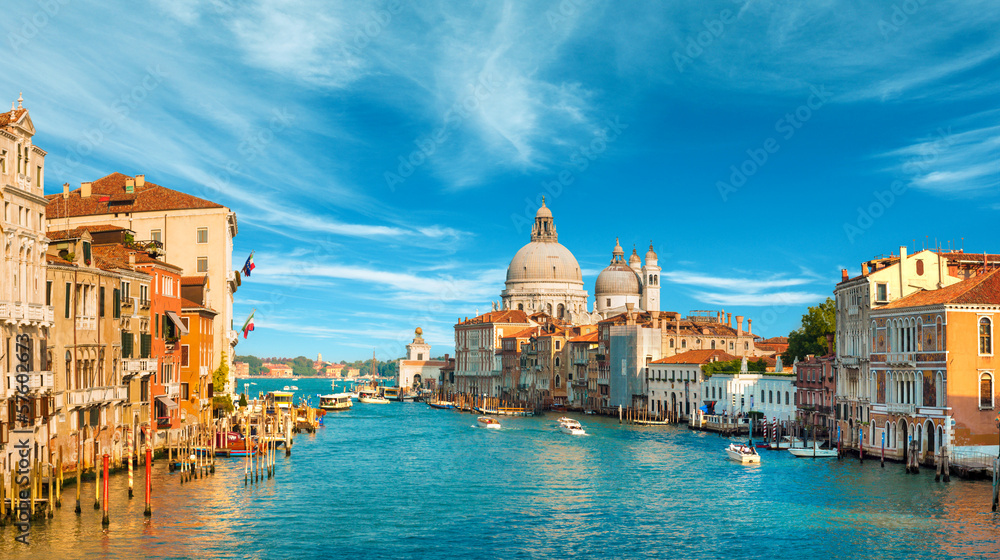
A Comprehensive Guide to Venice for the Savvy Senior Traveller
A romantic maze of canals, bridges and historic beauty, Venice offers slow, scenic wandering at its best.
Ciao Travellers! Step Into the Timeless Charm of Venice
There’s a reason Venice, the city of canals, has captured the hearts of travellers for centuries, and it’s a magic that seems to resonate particularly well with those of us who appreciate a slower, more thoughtful pace of life. Imagine a city with no cars, no traffic jams, no blaring horns – just the gentle lapping of water against ancient stone and the distant chime of church bells. This is the Venice that awaits you. It’s a place built for meandering, where the greatest joy comes not from rushing between sights, but from getting delightfully lost in a labyrinth of narrow laneways (calli), only to emerge into a sun-drenched square (campo) that feels like your very own discovery. This unique, pedestrian-only world offers a peacefulness that is rare in a major city, allowing you to explore its wonders without the usual stress.
Venice is a city that unfolds at walking pace, revealing its treasures around every corner. The sheer beauty is everywhere, from the jaw-dropping grandeur of St. Mark’s Square to the quiet charm of a vine-covered courtyard. You can spend your days gliding along the Grand Canal on a comfortable water bus (the best sightseeing tour in town!) or simply find a canal-side café to enjoy a morning cappuccino and watch the world float by. It’s a destination that rewards curiosity and encourages you to savour the small moments: the vibrant colours of the Rialto Market, the intricate details of a Gothic palace, the taste of a fresh pastry from a local pasticceria. It’s a holiday for the soul, perfectly suited to those who have the time and wisdom to appreciate it fully.
In this guide, we’ve put together everything you need to know to plan a comfortable, safe, and utterly enchanting trip. We’ve crafted it especially for our Seniors Travel Club members, focusing on what matters most: practical advice on navigating the city with ease, tips for finding accessible accommodation, insights into the best times to visit to avoid the crowds, and ways to make your dollar go further. So, pour yourself a cuppa, and let’s start planning your Venetian adventure!


The Best Time To Visit
The Ideal Time:
The Shoulder-Season Sweet Spots: For the best of all worlds, we recommend late April to early May or late September to early October. You’ll likely enjoy lovely weather for exploring on foot, while avoiding the absolute peak of the summer heat and crowds.

June–August
This is peak season, with long, sunny days perfect for photography. However, it can be uncomfortably hot and humid, with average highs around 28°C, which can be draining for long days of walking.12 This is also when the city is at its most crowded and expensive.15

September–October
The weather is often beautiful, with warm, golden days and comfortable temperatures for exploring. The crowds start to thin out a little from their summer peak, but it remains a very popular and pricey time to visit. Be aware that the risk of acqua alta (high water or tidal flooding) begins in late October.14

November–March
This is the quietest and most affordable time to be in Venice. The city takes on a magical, misty atmosphere that can be incredibly romantic. The downsides are the cold, damp weather, with temperatures often hovering near freezing, and shorter opening hours for some attractions.12 This is also the peak season for acqua alta. The major exception is the period of Carnevale (usually in February), when the city becomes fantastically crowded and expensive.14

April–May
The weather is generally delightful, with pleasant temperatures perfect for walking and gardens in bloom. However, this is a very popular time to visit, so expect significant crowds and high-season prices, especially around Easter.14
Your Venice Adventure: Trip Planning Essentials
A little forward planning goes a long way to making your Venetian holiday smooth and enjoyable. Here’s what you need to consider before you go.
Getting There from Australia:
- Long-Haul Flights: There are no direct flights from Australia to Venice. The journey will involve at least one stopover, typically in the Middle East (e.g., Dubai with Emirates, Doha with Qatar) or a major Asian or European hub. Be prepared for a long travel day; total journey times, including layovers, usually range from 22 to over 30 hours, depending on your departure city.16
- Cruising Gateways: Venice is a world-class cruise destination, serving as a start or end point for countless Mediterranean and Adriatic voyages.23 It’s crucial to know that local regulations now prevent the largest cruise ships from docking in the historic centre. Your ship will likely dock at a mainland port such as Marghera 25, Ravenna 26, or Chioggia.24 This is an important logistical detail, as it means your arrival or departure will involve a bus or boat transfer organised by the cruise line, adding extra time and effort. Be sure to check your itinerary carefully and factor this transfer into your travel plans.
Travel Tip: Making the Long Haul Bearable
That flight is a marathon, not a sprint! To arrive feeling more human, consider investing in Premium Economy. The extra legroom, wider seat, and improved service can make a world of difference and it’s often a fraction of the cost of Business Class. If you have frequent flyer points, now is the time to use them for an upgrade. A lie-flat bed in Business is the ultimate luxury for a good sleep; keep an eye out for airline sales. No matter where you sit, pack compression socks to aid circulation, a quality neck pillow, an eye mask, and earplugs.
Sample Trip Durations
Venice can be enjoyed in a few days or savoured over several weeks. Here are a few ideas to help you decide on the right length of stay for your travel style.
- The 7-Day Taster: This is an excellent duration for a first visit or if Venice is one stop on a larger Italian itinerary. A week allows you to see the main highlights — St. Mark’s Square, the Doge’s Palace, the Rialto Bridge — at a comfortable pace, with time for an island trip to Murano and Burano and a couple of afternoons dedicated to simply relaxing and soaking it all in.43
- The 14-Day Classic: With two weeks, you can truly settle into the rhythm of Venetian life. This timeframe allows you to explore the distinct character of each of the six neighbourhoods (sestieri), visit more of the superb art museums like the Accademia and the Guggenheim Collection, enjoy a relaxing day at the Lido beaches, and even take a day trip by train to a nearby Veneto city like Padua or Verona.45
- The 21-Day ‘Slow Travel’ Immersion: This is the ultimate way to experience Venice. Three weeks give you the luxury of time. You can live like a local, shopping at the markets, taking a cooking class, discovering hidden gardens, and exploring the lagoon’s lesser-known islands. You can take multiple day trips without feeling rushed, and truly absorb the serene, magical atmosphere of the city without any pressure to tick off a checklist.47
Getting Around Venice with Ease:
Navigating Venice is a unique experience. With no roads or cars, your options are your own two feet or the water. Here’s how to get around like a local.
Transport Overview
- The Vaporetto (Water Bus): This is Venice’s public transport system and it will be your best friend. These water buses run frequently along the Grand Canal and connect the historic centre with all the major islands, including Murano, Burano, and the Lido. The #1 line is the slow, scenic ‘local’ that stops everywhere along the Grand Canal, perfect for sightseeing. The #2 line is a faster express with fewer stops.49
- Water Taxis: These are sleek, private motorboats that function like regular taxis. They are the fastest and most direct way to get around, especially with luggage from the airport or train station to your hotel. They are, however, very expensive. Specialised accessible water taxis equipped with hydraulic lifts are available but must be booked well in advance.50
- Traghetto: These are basic, two-man gondolas that shuttle people back and forth across the Grand Canal at several points between the main bridges. It’s a cheap and quick crossing, but requires a bit of balance as passengers often stand for the short journey.
- On Foot: This is how you’ll discover the real Venice. Walking is the primary way to explore the city’s enchanting network of alleyways and squares. Just be prepared for the bridges!
Mobility & Accessibility in Detail
Venice can be challenging for those with mobility issues, but with planning, it is certainly manageable. The key is to manage expectations and use the available resources wisely.
- Terrain Summary: The main walking paths are paved with mostly flat stones (masegni). The single greatest challenge is the city’s 400+ bridges, the vast majority of which have steps, not ramps.38
- Ramps and Lifts: While the city has made efforts to improve accessibility, you cannot assume a bridge will have a ramp. The Municipality of Venice has mapped out 14 ‘barrier-free itineraries’ that stick to level ground and use the vaporetto to cross canals. It is highly recommended to look these up online before your trip.51
- Vaporetto Accessibility: The vaporetto system is the key to accessible travel in Venice. All the floating docks (imbarcaderi) and boats are wheelchair accessible. However, the experience requires some planning. The ramp from the dock to the boat can sometimes be steep, and the gap can be uneven depending on the tide and how many people are on board.49 To make it easier, try to travel during off-peak hours (e.g., 10 am–12 pm or 3 pm–5 pm) when the boats are less crowded. Don’t hesitate to ask the staff for assistance; they are there to help. If a boat looks too full, simply wait for the next one. There is a designated space for wheelchairs inside each vessel.52
- Mobility Aid Rentals: Several sanitaria (medical supply shops) in Venice offer wheelchair rentals.52 Renting a mobility scooter is generally not recommended for the historic centre, as their size and turning radius are impractical for the narrow alleyways and bridges. While some international rental companies list Venice, Italy, it’s vital to confirm if their equipment is suitable for the unique environment.54
- Requesting Assistance: Assistance for travellers with reduced mobility should be booked in advance for both Venice’s Santa Lucia train station (with Trenitalia) and Marco Polo Airport (with your airline). This will ensure staff are on hand to help you navigate the terminals and get to your transport.
Senior-Friendly Transport Passes
- ACTV Tourist Travel Cards: This is by far the most economical and convenient option. These passes provide unlimited travel on all vaporetto and mainland bus routes. They are available for 1, 2, 3, or 7-day periods. A single 75-minute ticket costs €9.50, so a multi-day pass pays for itself very quickly and gives you the freedom to hop on and off whenever you please.
- Discount for Wheelchair Users: This is a fantastic and often overlooked benefit. A person using a wheelchair can purchase a 75-minute ticket for only €1.50, and this fare includes free travel for one companion.51 This makes the city’s transport system incredibly affordable and encourages extensive use of the vaporetto without financial worry.
- Carta d’Argento (Silver Card): This card is for the national Trenitalia rail network, not local Venetian transport. It is available to anyone over 60, including non-EU citizens, for an annual fee of €30 (free for over 75s). It provides a 10-15 per cent discount on most Italian train tickets, making it a worthwhile investment if you plan to travel between cities like Venice, Florence, and Rome.35
Venice at a Glance: Your Quick Facts Cheat Sheet
Here’s a handy cheat sheet with all the essential info you’ll need for your trip.
| Category | Details |
| Currency | Euro (€). The exchange rate fluctuates, but is typically around AUD $1 to €0.54 or €1 to AUD $1.79.1 |
| Time Zone | Central European Time (CET/CEST). Venice is 8-10 hours behind AEST (e.g., Brisbane) and 9-11 hours behind AEDT (e.g., Sydney, Melbourne), depending on daylight saving.3 It is 6-7 hours behind Perth (AWST).7 |
| Language | Italian. You’ll also hear the local Venetian dialect. English is widely spoken in hotels, restaurants, and major tourist sites, so you’ll have no trouble communicating.9 |
| Avg. Temps & Rainfall | Spring (Apr-May): 12–16°C / 60–70mm
Summer (Jun-Aug): 21–23°C / 70–90mm Autumn (Sep-Oct): 14–20°C / 70–80mm Winter (Nov-Feb): 3–6°C / 50–60mm.11 |
| Best Months to Visit | April–May and September–October. These shoulder seasons offer pleasant weather for walking, avoiding the intense summer heat and the biggest crowds.14 |
| Flight Time from Australia | No direct flights. With one stopover, the total travel time is typically:
SYD/MEL/BNE: 23–30 hours 16 ADL: 23–30 hours 19 PER: 22–24 hours 21 |
| Cruise Options | Venice is a major port for Mediterranean & Adriatic cruises. Large ships now use nearby ports like Ravenna, Chioggia, or Marghera, with transfers into Venice. Lines include MSC, Viking, Royal Caribbean, and Celebrity.23 |
| Visa Rules for Australians | No visa needed for stays up to 90 days. From mid-2025, an ETIAS (online travel authorisation) will be required. This is a simple online application, not a formal visa.27 |
| Emergency Numbers | General Emergency: 112
Medical/Ambulance: 118 Fire: 115 State Police: 113 30 |
| Power Plugs | Type F and L (two or three round pins). Voltage is 230V, 50Hz. You will need a plug adapter for your Australian devices. Most modern electronics are dual voltage and don’t need a converter.33 |
| Senior Discounts? | Yes. Some state museums offer reduced entry for those over 65 (passport required for proof of age). Trenitalia’s Carta d’Argento (Silver Card) offers discounts on train travel for over 60s.35 Always ask, as some discounts are limited to EU citizens.37 |
| Wheelchair Accessibility | Rating: 2.5/5. While the vaporetto system is accessible and many main paths are flat, the city’s 400+ stepped bridges pose a significant challenge. A trip requires careful planning and is best for slow-walkers or those with a companion to assist.38 |
Why You'll Fall in Love with Venice
Venice has a special kind of magic that seems tailor-made for the discerning traveller. Here are just a few reasons why we think you’ll adore it.
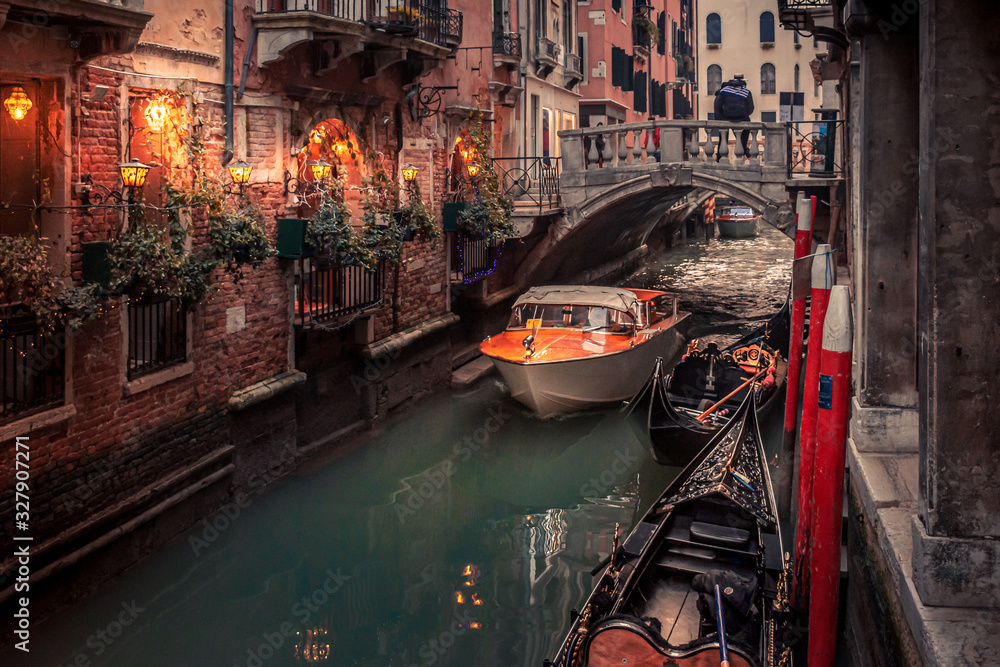
A Blissfully Car-Free World:
Imagine a city where the soundtrack is the swish of a gondolier’s oar and the murmur of conversation from a canal-side café. The complete absence of cars creates a uniquely peaceful and human-scaled environment, perfect for those who want to explore without the noise and rush of traffic.
Art and History Around Every Corner:
You don’t need a museum ticket to be surrounded by breathtaking beauty. Every piazza, palace, and church is a masterpiece of Gothic or Renaissance architecture. A simple, aimless stroll becomes a journey through centuries of history and art.
The Joy of Slow Travel:
Venice isn’t a city to be rushed. It invites you to linger over a coffee, to sit on a bench and watch the world float by, to get lost in its charming alleyways. It’s a place that rewards those who take their time, allowing for a truly restorative and immersive holiday.
Surprisingly Accessible Wonders:
While the city has its mobility challenges, many of its greatest treasures are remarkably manageable. The main route from the train station to St. Mark’s Square is largely flat, and the fantastic vaporetto (water bus) system can whisk you comfortably to major sights and the outer islands, offering a spectacular scenic cruise along the way.
A Feast for the Senses:
From the vibrant colours and lively chatter of the Rialto Market to the delicious tradition of cicchetti (Venetian tapas) enjoyed with a glass of local wine in a cosy bàcaro (bar), Venice is a destination that delights the palate in a relaxed and social atmosphere.
Did You Know?
Venice is built on over 100 small islands, all connected by more than 400 bridges! The city’s foundations are an engineering marvel, resting on millions of petrified wooden piles driven deep into the mud and sand of the lagoon centuries ago.39
Festivals & Events Calendar:
Planning your trip around a festival can be a wonderful experience, but it’s good to know what to expect in terms of crowds and closures.
|
Month |
Event |
Senior Suitability Notes |
| Feb/Mar | Carnevale di Venezia | World-famous and visually spectacular, but the city is extremely crowded and expensive. Best enjoyed from the sidelines; not ideal for those with mobility issues or an aversion to crowds. |
| April | Festa di San Marco (25 Apr) | A charming local celebration for Venice’s patron saint, featuring a gondoliers’ regatta. Crowds are manageable, and the atmosphere is festive. |
| May–Nov | Art or Architecture Biennale | A massive, world-class contemporary art (odd years) or architecture (even years, e.g., 2025) exhibition.100 The main venues require extensive walking. Best to buy tickets online and visit on a weekday to avoid the biggest crowds. |
| May | Vogalonga | A non-competitive rowing event with thousands of boats of all kinds. It’s a fantastic spectacle to watch, but be aware that normal vaporetto traffic is suspended for several hours, which can disrupt travel plans. |
| July | Festa del Redentore (Third Sun) | A major local festival celebrating the end of a 16th-century plague, culminating in a spectacular fireworks display over the lagoon. The waterfront becomes extremely crowded; finding a spot with a seat or a clear view requires planning. |
| Aug/Sep | Venice Film Festival | Held on the Lido island, this is one of the world’s top film festivals. Great for celebrity spotting, but it makes the Lido very busy and accommodation prices soar.100 |
| September | Regata Storica (First Sun) | A magnificent pageant of historical boats followed by rowing races on the Grand Canal. It’s a wonderful tradition to witness, but the banks of the Grand Canal are packed. Find a spot away from the main tourist hubs for a better view.101 |
| November | Festa della Salute (21 Nov) | A solemn and authentic local pilgrimage to the Basilica of Santa Maria della Salute. It’s a moving experience with very few tourists, offering a glimpse into the spiritual life of the city. |
The Final Word
Venice is more than just a destination; it’s an experience that stays with you long after you’ve returned home. It’s a city that reminds us of the beauty of slowing down, of looking closer, and of allowing for moments of spontaneous discovery. By embracing its gentle, car-free rhythm, you give yourself the gift of time to truly see the art, taste the food, and feel the history that permeates its ancient stones and shimmering waterways.
We hope this guide helps you feel confident and excited as you plan your trip. May your days be filled with sunshine on quiet canals, delicious food, and the kind of happy memories that last a lifetime.
Arrivederci!
