If you’re planning a holiday or have just booked your next getaway, there’s something you need to know before you start packing your bags: scammers are getting smarter, and they’re targeting Aussie travellers like never before.
Even the most tech-savvy among us are being caught out by these new, almost foolproof phishing scams. So, before you pack your bags and set your out-of-office reply, let’s talk about how to keep your travel plans (and your hard-earned money!) safe.
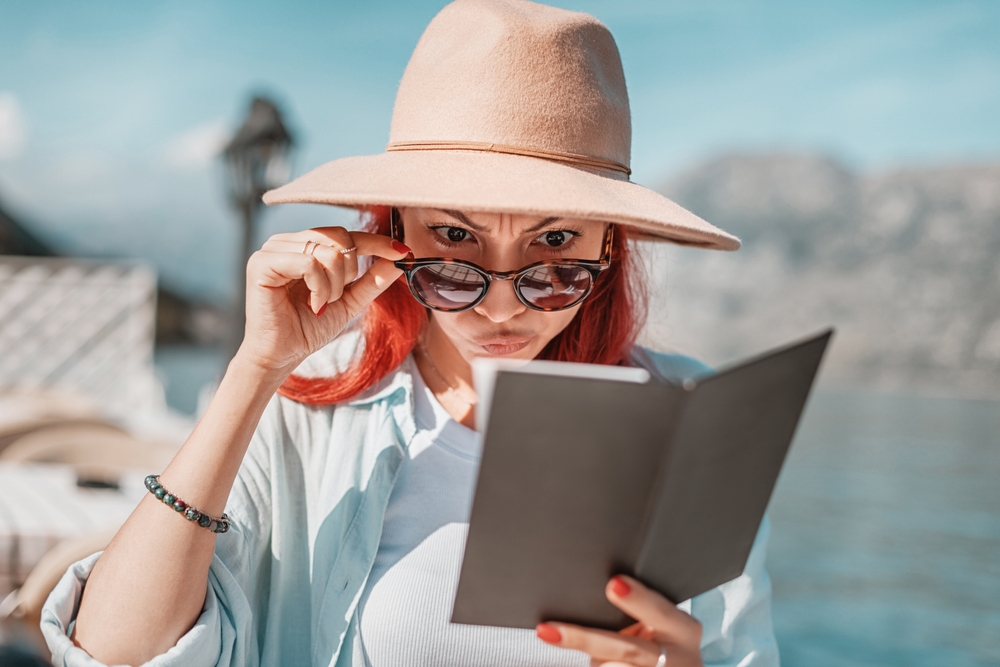
Gone are the days when a dodgy email full of spelling mistakes and suspicious links was easy to spot. Today’s cybercriminals are using your real travel details—like your name, travel dates, and even where you’re staying—to craft emails and messages that look almost identical to the real thing. And unfortunately, these scams are catching out even the most tech-savvy among us.
So, what’s going on, and how can you protect yourself? Let’s unpack the latest travel scam wave and arm you with the knowledge you need to stay safe.
Why Are Travellers Being Targeted?
Travel companies are a goldmine for scammers. When you book a trip, you hand over a treasure trove of personal information: your full name, credit card details, passport number, travel dates, and where you’ll be staying. According to cybersecurity expert Tyler McGee, this is exactly the kind of data scammers crave.
‘When you look at travel sites compared to other sites, typically people… provide a lot of information when they are purchasing – they’ll provide their credit card details, sometimes their passport information, and all the requirements they would basically need to purchase a plane ticket or book hotel accommodation,’ he shared.
But there’s another reason travel data is so valuable: timing. Scammers know exactly when you’re due to travel, which means they can send you urgent-sounding messages—like ‘There’s a problem with your booking’ or ‘You need to confirm your payment’—right when you’re most likely to be distracted or stressed.
How Do These Scams Work?
It’s not just a couple of hackers in a basement anymore. Cybercrime is big business, with entire organisations dedicated to stealing and selling your data. Here’s how it usually works:
- Data Breach: Hackers break into a travel company’s database and steal customer information.
- Data Sale: That information is sold on the dark web to other criminals who specialise in phishing scams.
- Personalised Scam: You receive an email or text that looks like it’s from Booking.com, your hotel, or your airline. It references your real booking details, making it seem legitimate.
- The Hook: The message asks you to confirm payment, provide bank details, or click a link to ‘fix’ a problem with your booking. The link leads to a fake website designed to steal your information or money.
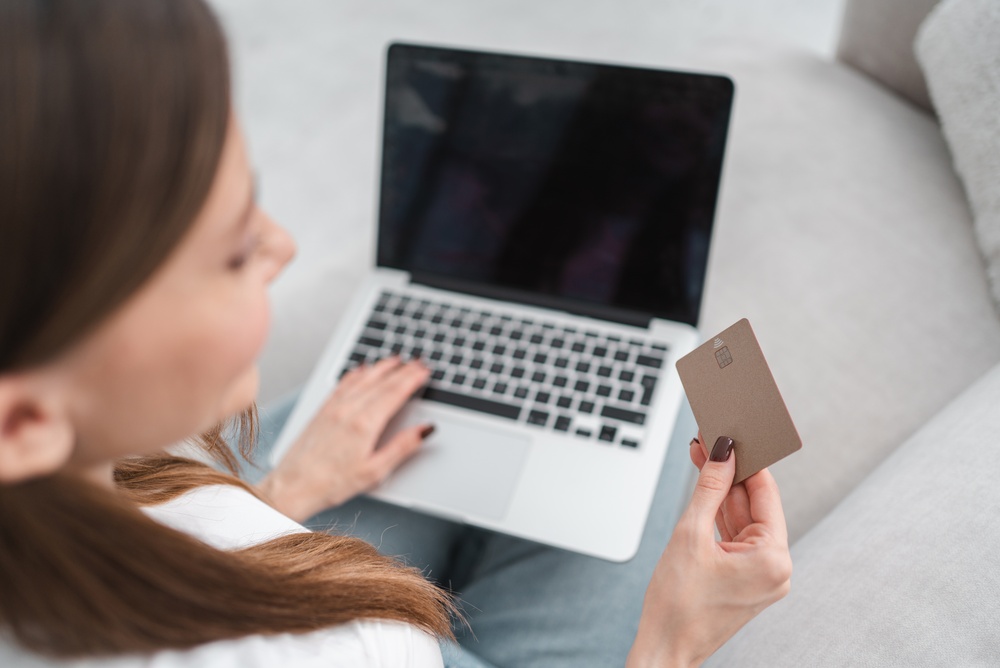
These scams are so convincing because they use your actual travel details. These scams are so convincing because they use your actual travel details. Imagine getting an email that mentions your exact hotel, dates, and even your room type—it’s no wonder people fall for it!
How Can You Spot a Phishing Scam?
With artificial intelligence now helping scammers write flawless emails and build convincing fake websites, spotting a scam isn’t as easy as it used to be. But there are still a few tricks you can use:
- Check the sender’s email address: Make sure it’s an exact match for the official company. Scammers often use addresses that look similar but have subtle differences.
- Don’t click on links in emails or texts: If you get a message about your booking, go directly to the company’s website by typing the address into your browser, or call them using the number on their official site.
- Be wary of urgent requests: Scammers love to create a sense of panic, with messages like ‘Your booking will be cancelled unless you pay now!’ or similar. Take a breath and double-check before you act.
- Look for spelling and grammar mistakes: While AI has improved scam messages, some still slip through with odd phrasing or formatting.
- Use scam detection tools: Many antivirus programs and browser extensions can flag suspicious emails and websites.
What Should You Do If Your Travel Data Has Been Hacked?
If you think your travel data has been compromised, here’s what to do:
- Change your passwords: Update your login details for any affected accounts immediately.
- Monitor your accounts: Keep an eye on your bank statements and credit card activity for any unusual transactions.
- Use official channels: Only make payments or changes to your booking through the company’s official website or app.
- Install security software: Consider using scam detectors or antivirus programs that can warn you about suspicious emails and websites.
- Stay sceptical: If you get an email or text asking for payment or personal details, always double-check before responding.
If you’re travelling with friends or family, let them know about these scams too—especially if they’re less tech-savvy. Additionally, keep a printed copy of your booking confirmations and important contact numbers, just in case you lose access to your email while travelling. Lastly, if you’re ever in doubt, ask a trusted friend or family member to help you verify a suspicious message.
Key Takeaways
- Cybersecurity experts are warning Aussies about a surge in highly convincing phishing scams targeting travellers, especially following recent data breaches involving travel sites like Booking.com.
- Scammers are exploiting detailed travel information (such as names, travel dates, and accommodations) to create personal and urgent-feeling messages, making these scams much harder to spot and resist.
- Hackers typically sell stolen travel data on the dark web, where it’s used by organised cybercriminals to trick people into giving up money or sensitive bank details through fake but realistic-looking emails and websites.
- To protect yourself, always verify sender email addresses, avoid clicking on suspicious links, change your passwords if your data is compromised, and make payments only through official channels—not via links in emails or texts.
Have you ever received a dodgy travel email or been targeted by a scam while planning a trip? Share your experiences and tips in the comments below—your story could help another member avoid falling victim to these sneaky scams!