If you’re like most Aussies, you probably never leave home without your trusty portable charger—especially when you’re heading off on a long-haul flight. After all, who wants to be stuck at 30,000 feet with a flat phone and no way to watch your favourite shows, read your e-books, or snap those all-important travel selfies?
But did you know that packing your power bank the wrong way could put your entire flight at risk—and even force an emergency landing?
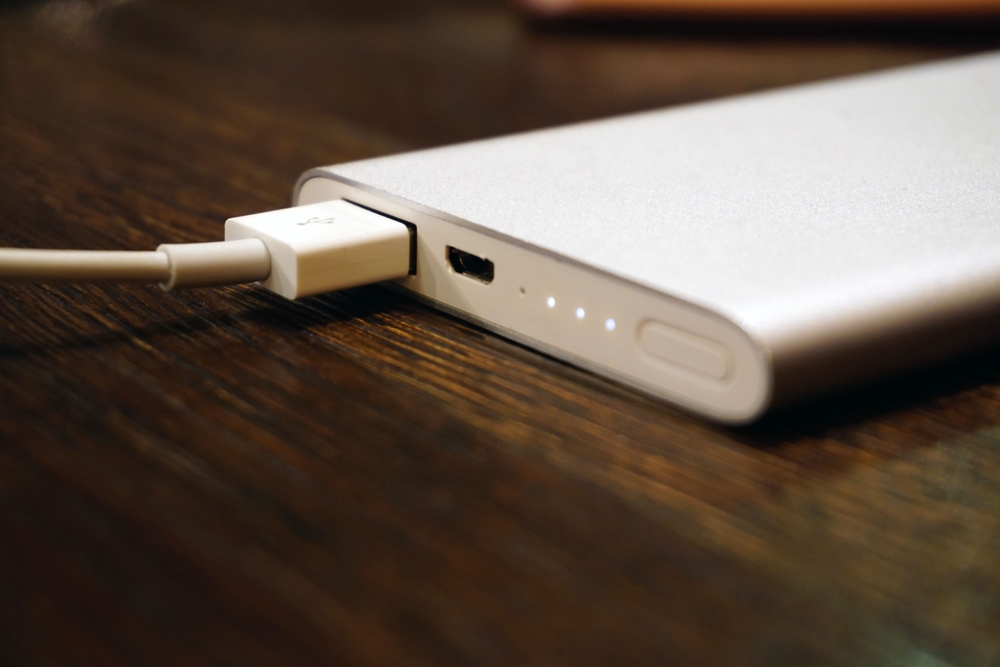
That’s exactly what happened recently on an easyJet flight from Egypt to London Luton. The plane was diverted to Rome after a passenger admitted they had a portable charger in use in their checked luggage. The captain, not willing to take any chances, landed the plane safely in Rome, and everyone on board had to wait until the next day to continue their journey. All because of a power bank!
So, what’s the big deal with portable chargers on planes? Let’s unpack the facts, the science, and the rules—plus, some handy tips to keep you safe (and out of trouble) next time you fly.
Why Are Power Banks So Dangerous on Planes?
It all comes down to what’s inside: lithium-ion batteries. These little powerhouses are in everything from your phone to your laptop, but in power banks, they can be especially risky. The main danger is something called ‘thermal runaway’, a fancy term for a chain reaction inside the battery that can cause it to overheat, catch fire, or even explode.
Seamus McCauley, head of public affairs at Holiday Extras, explains: ‘A self-sustaining chain reaction inside a lithium-ion battery can produce an intense fire in the sealed, pressurised environment of an aircraft cabin. In the hold, where crews can’t get to it quickly, a fire could go undetected until it’s already serious.’
Gavin Lapidus, director at eShores, adds that during thermal runaway, the battery can reach temperatures of 600°C to 1000°C—hot enough to melt metal and release toxic, flammable gases. In the cargo hold, where detection is delayed, and other flammable materials might be nearby, a small fire can quickly become a major emergency.
Why Are Power Banks More Prone to Problems?
While all lithium-ion batteries carry some risk, power banks are often less strictly regulated than the batteries in your phone or laptop. Many are cheap, unbranded, or poorly made, and they’re more likely to be dropped, knocked about, or otherwise mishandled. That makes them more likely to fail—and when they do, the results can be dramatic.
There have been several incidents of power banks catching fire mid-flight. On a KLM flight from São Paulo to Amsterdam, a portable charger burst into flames halfway over the Atlantic, sending passengers into a panic. Quick-thinking flight attendants managed to put out the fire, but it’s a stark reminder of how quickly things can go wrong.
What Do the Authorities Say?
Aviation authorities around the world have strict rules about how you can carry power banks on planes. Jonathan Nicholson from the UK Civil Aviation Authority (CAA) says passengers need to be more aware of the risks. The basic rules are:
- Power banks must be carried in your hand luggage, never in checked baggage.
- You’re usually limited to two power banks per person.
- Each power bank must be individually protected to prevent short circuits (keep them in their original packaging, a plastic bag, or tape over the terminals).
- Don’t use your power bank to charge devices on board, and never try to recharge the power bank itself during the flight.
The CAA’s updated guidelines also say you shouldn’t use your power bank to charge your phone or tablet while on the plane. And if you’re not sure about the rules, check with your airline before you fly.
Other Items to Avoid Packing in Checked Luggage
It’s not just power banks you need to watch out for. Other items that can cause problems if packed in your checked bags include:
- Spare lithium batteries (for cameras, hearing aids, etc.)
- E-cigarettes and vape pens
- Laptops and tablets (if possible, keep them in your carry-on)
- Flammable items like aerosols, lighter fluid, or matches
Always check your airline’s website for the latest rules, as they can change without warning.
Tips for Safe Flying with Power Banks
- Check the capacity: Most airlines allow power banks up to 100Wh, some up to 160Wh. The capacity should be printed on the device.
- Pack smart: Keep your power bank in your carry-on, in its original packaging or a protective pouch.
- Don’t charge on board: Wait until you’re off the plane to top up your devices.
- Inspect before you fly: If your power bank is damaged, swollen, or leaking, leave it at home (or better yet, recycle it safely).
- Know the rules: If you’re unsure, ask your airline before you travel.
Final Thoughts: Is It Worth the Risk?
Portable chargers are a modern travel essential, but they come with hidden dangers if not handled correctly. A few minutes of preparation can keep you, your fellow passengers, and the crew safe—and save you from a very inconvenient (and expensive) flight diversion.
Key Takeaways
- Portable chargers (power banks) can be extremely dangerous on planes due to the risk of ‘thermal runaway’ in lithium-ion batteries, which may cause intense fires or explosions, especially if stored in checked baggage where crew can’t access them quickly.
- Aviation authorities and airlines require that power banks must only be carried in hand luggage, with most airlines limiting passengers to two devices each and mandating that they are protected against short circuits, for example, by placing them in original packaging or a plastic bag.
- Passengers are generally not allowed to use power banks to charge devices or to recharge the power banks themselves, while on board; some airlines also state power banks should be kept under the seat or in the seat pocket, not in overhead lockers.
- Different airlines have varying rules regarding the watt-hour (Wh) rating and number of power banks allowed, so travellers should always check airline-specific restrictions and ensure damaged or unlabelled power banks are not brought on board.
Have you ever had a close call with a power bank or other electronic device while travelling? Do you have any tips for keeping your gadgets safe in the air? Share your stories and advice in the comments below—we’d love to hear from you!
And remember: next time you pack your bags, double-check those power banks. It could make all the difference between a smooth flight and an unexpected detour!