With the cost of living and fuel prices soaring, it’s no wonder so many Aussies are dreaming of a well-deserved getaway.
But as we hunt for bargains and last-minute deals, a worrying trend is emerging: more and more Australians are falling victim to cunning travel scams—and the numbers are only climbing.
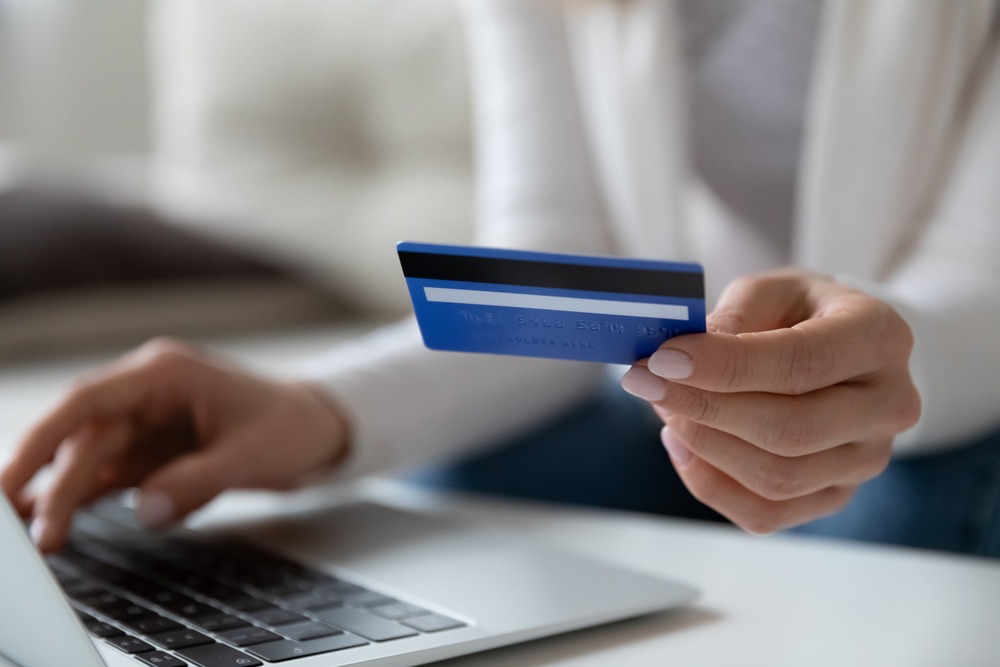
Why are travel scams on the rise?
According to cybersecurity experts, scammers are capitalising on our desperation to save a few bucks. Tyler McGee, Head of APJ at McAfee, explains: ‘The cost-of-living crisis, together with the fuel crisis, is changing how people make decisions. When prices are high, and availability feels tight, people will likely move faster.’ In other words, when we’re feeling the pinch, we’re more likely to jump at what looks like a bargain—sometimes without taking the time to check if it’s the real deal.
McAfee Labs’ recent research paints a sobering picture: a whopping 92 per cent of travellers surveyed felt pressured to book quickly, creating the perfect storm for scammers to swoop in. Nearly 40 per cent had spotted a travel-related scam, and of those, almost half lost money—often more than $250. Even more concerning, 39 per cent admitted to ignoring warning signs just to avoid missing out on a deal.
How are scammers targeting Aussie travellers?
Scammers are getting smarter and sneakier, often impersonating trusted travel websites like Tripadvisor, airlines, or hotel chains. With the help of AI, they can whip up convincing fake websites, emails, and even social media posts in minutes.
Sometimes, all it takes is a post about a missed flight or a holiday hiccup for a scammer to target you with a ‘solution’—usually a dodgy link or a too-good-to-be-true offer.
Pressure tactics are a favourite trick: you might get an urgent email or text claiming your booking has been cancelled, or that you need to pay extra fees immediately. Other red flags include unsolicited links, QR codes, or requests to pay outside official booking platforms (think wire transfers or gift cards).
Spotting a scam: What to watch for
- Unbelievably low prices: If a deal looks too good to be true, it probably is.
- Overly polished or AI-generated photos: Scammers often use stock images or AI to make fake listings look legitimate.
- Requests for payment outside official channels: Always pay through the official website or app.
- Urgent time limits: Be wary of messages that pressure you to act fast or risk losing your booking.
- Unsolicited emails or texts: Don’t click on links or scan QR codes from unknown sources.
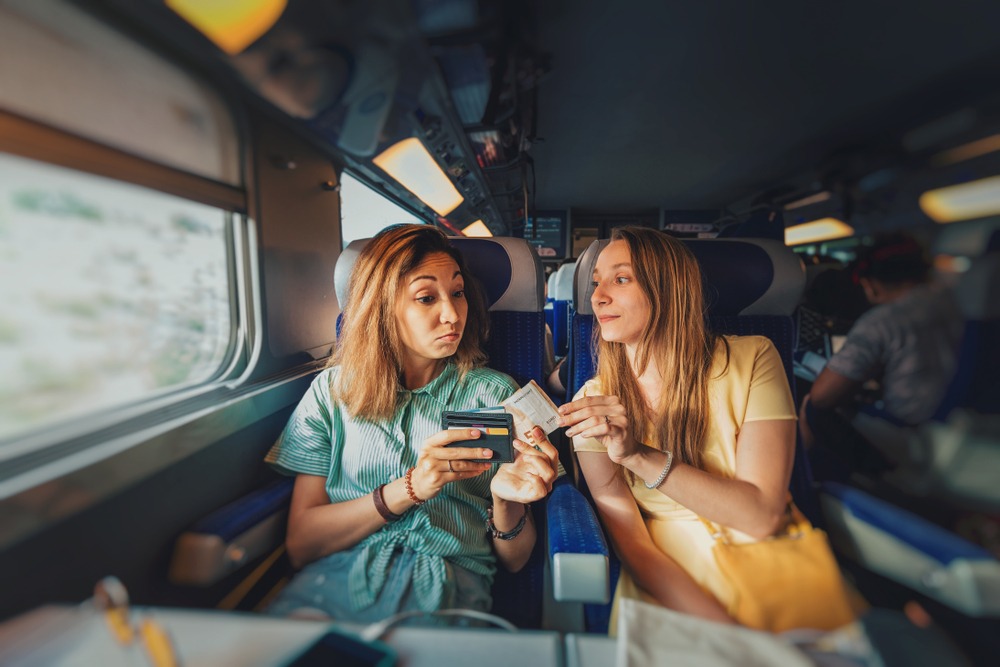
How to protect yourself
- Book through official sites: Always double-check the website address and look for the padlock symbol in your browser.
- Be sceptical of urgent deals: Take your time and do your research before handing over any money.
- Use a VPN on public WiFi: This adds an extra layer of security when booking on the go.
- Install scam detectors: Many antivirus programs now include scam and phishing protection.
- Trust your gut: If something feels off, it probably is.
Scams don’t stop once you’re on holiday
Unfortunately, the risk doesn’t end once you’ve booked your trip. Travel expert Rick Steves warns of classic scams that target tourists abroad:
Slow cash counting
Shop or restaurant staff count your change painfully slowly, hoping you’ll get impatient and leave before realising you’ve been short-changed.
Gem scams in Thailand
Tourists are offered ‘amazing deals’ on gems or jewellery—always too good to be true.
Bracelet and rose scams in Europe
Someone grabs your arm and ties a bracelet or hands you a rose, then demands payment.
Short-changing in currency exchanges
Especially common in busy tourist spots like Bali.
Seniors: Why you might be a target
Scammers often see older adults as prime targets, assuming we’re less tech-savvy or more trusting. But we know better! By staying informed and sharing our experiences, we can help protect each other from falling into these traps.
Key Takeaways
- Aussies are falling victim to travel scams as high costs and limited availability push people to make quick decisions, with scammers taking advantage of the pressure to book fast.
- Impersonation of popular travel sites like Tripadvisor is rife, with fraudsters using AI and social media cues to craft convincing messages and lure travellers into traps.
- Warning signs include deals that seem too good to be true, urgent requests for payment, unsolicited links or QR codes, and requests to pay outside official channels—travellers are urged to verify sites, use secure payment methods, and install scam detectors.
- Common scams while overseas include slow cash counting by shop staff, gem or jewellery scams, and street hustles like forced bracelet or rose sales, with tourists in places like Thailand, Paris, and Italy particularly at risk.
Have you or someone you know been caught out by a travel scam? Or do you have tips for spotting a dodgy deal? Share your stories and advice in the comments below—let’s help keep our community safe and scam-free!
Safe travels, and remember: if it sounds too good to be true, it probably is.