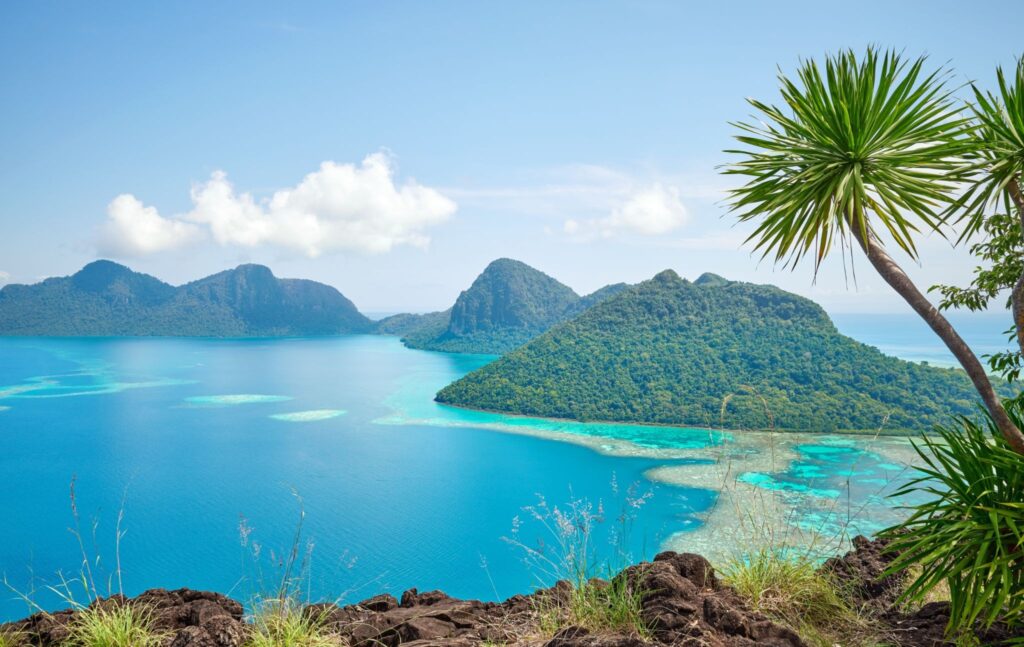
If you’ve ever dreamed of trekking through lush rainforests, scaling misty peaks, or simply enjoying a stroll through a tropical paradise, Malaysia is probably high on your travel bucket list.
With its breathtaking landscapes—ranging from the towering Mount Kinabalu in Borneo to the urban greenery of Penang Hill and the KL Forest Eco Park—Malaysia has long been a magnet for hikers and nature lovers from around the world, including many adventurous Aussies.
But as hiking has exploded in popularity, a new, risky trend has emerged—fuelled in no small part by social media influencers eager to capture the perfect shot or ‘tick off’ as many peaks as possible in record time.
This has led to a worrying spike in search and rescue (SAR) operations, prompting Malaysian authorities to introduce a raft of strict new rules designed to keep both locals and tourists safe.
What’s behind the new rules?
Malaysia’s Ministry of Natural Resources and Environmental Sustainability (NRES) has reported a significant increase in hikers getting lost or injured, often after venturing off marked trails or attempting so-called ‘compressed hikes’—where a route that would normally take several days is tackled in just a few hours.
These express hikes, popularised by social media, often see participants carrying minimal gear and pushing themselves to the limit, all for the sake of a viral post.
NRES deputy minister Syed Ibrahim Syed Noh explained that many hikers are setting off underprepared, sometimes on unauthorised routes, and often without proper planning or equipment.
‘The government’s priority is to reduce the risk of hikers getting lost and prevent accidents, thereby minimising the need for SAR operations, which require substantial financial resources and manpower,’ he said.
What are the new rules?
To address these risks, Malaysia is rolling out several new measures at 189 high-risk hiking locations across the country:
Mandatory use of guides: Hikers must now be accompanied by certified guides at designated high-risk sites. This is a big change, especially for those used to solo or self-guided adventures.
Pre-climb screening: Before setting off, hikers will undergo health declarations, medical history checks, and must show proof of insurance coverage. This is to ensure that only those fit and prepared for the challenge are allowed to proceed.
Restrictions on ‘compressed hikes’: Both the Department of Wildlife and National Parks and the Perak state forestry department are cracking down on these high-speed treks, which have been linked to several recent accidents, including a tragic fatality last year.
Focus on safety over social media: Authorities and experienced guides are urging hikers to prioritise safety over capturing the perfect Instagram moment. As mountain guide Norimah Abd Karim put it, ‘There are hikers who focus more on getting interesting content that they are willing to take risks and neglect their own safety.’
Why is this happening now?
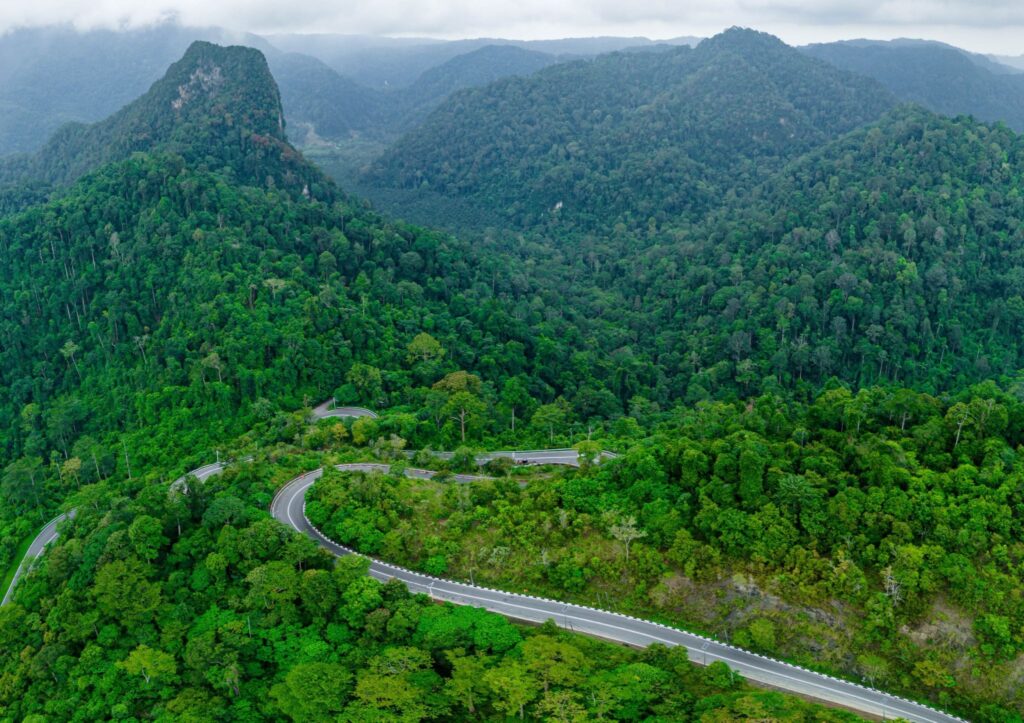
Malaysia’s dense tropical forests are stunning but can be unforgiving. High temperatures, humidity, and thick vegetation make it easy to get disoriented or exhausted—especially if you stray from marked trails or underestimate the physical demands.
The rise of ‘express hikers’ and influencer-driven trends has only increased the risks, with some people prioritising likes and followers over their own well-being.
As Perak Forestry mountain guide Muzafar Mohamad explained, ‘When hiking time is reduced, the margin for error also becomes smaller. That is why logistical planning, physical fitness and risk management need to be carried out in greater detail.’
What does this mean for Aussie travellers?
If you’re planning a hiking holiday in Malaysia, these new rules are something to be aware of. While they might seem strict, they’re ultimately designed to protect you and ensure that your adventure doesn’t end in disaster. Here are a few tips to keep in mind:
Book a certified guide: Not only is it now mandatory at many sites, but a local guide can enrich your experience with insights about the flora, fauna, and culture.
Be honest about your fitness: The pre-climb screening isn’t just red tape—it’s there to make sure you’re up for the challenge.
Don’t rush: Take your time and enjoy the journey. The rainforest isn’t going anywhere, and neither should you!
Pack properly: Even if you’re tempted to travel light for that content creator look, remember that safety comes first. Bring enough water, food, and emergency supplies.
Respect local rules and advice: They’re there for a reason, and ignoring them could put you—and your rescuers—at risk.
The bigger picture: Social media and adventure tourism
This isn’t just a Malaysian issue. Around the world, authorities are grappling with the impact of social media on adventure tourism. From dangerous selfies on cliff edges to ill-prepared treks in remote areas, the quest for online fame can sometimes have real-world consequences.
For our community of over-60s, many of whom are seasoned travellers and nature lovers, this is a timely reminder to balance adventure with caution. There’s nothing wrong with sharing your travels online—but let’s make sure we’re setting a good example for the next generation of explorers.
Key Takeaways
- Malaysian authorities are introducing strict new rules for hikers at 189 high-risk locations, including mandatory guides and pre-climb screenings, after a rise in search and rescue operations linked to risky social media trends.
- Pre-climb screening procedures now require health declarations, medical history checks, and proof of insurance to identify high-risk climbers before they start their trek.
- The government is targeting so-called ‘compressed hikes’—where trekkers rush trails in a much shorter time than recommended—due to the increased risk of accidents and emergencies.
- Authorities are concerned that some hikers, particularly those influenced by social media, are underprepared and prioritise capturing content over safety, leading to a higher risk of getting lost or injured.
Have you ever hiked in Malaysia or another tropical destination? What do you think of these new rules? Do you have any tips for staying safe on the trail—or stories of close calls you’d like to share? We’d love to hear your thoughts and experiences in the comments below. Let’s keep the conversation going and help each other enjoy the great outdoors—safely!