

Your Ultimate Guide to India: A Seniors Travel Club Special
Vibrant colours, deep cultural traditions and unforgettable landscapes offer a sensory feast ideal for curious travellers.
Namaste and Welcome to India: Where Colour, Culture & Connection Await
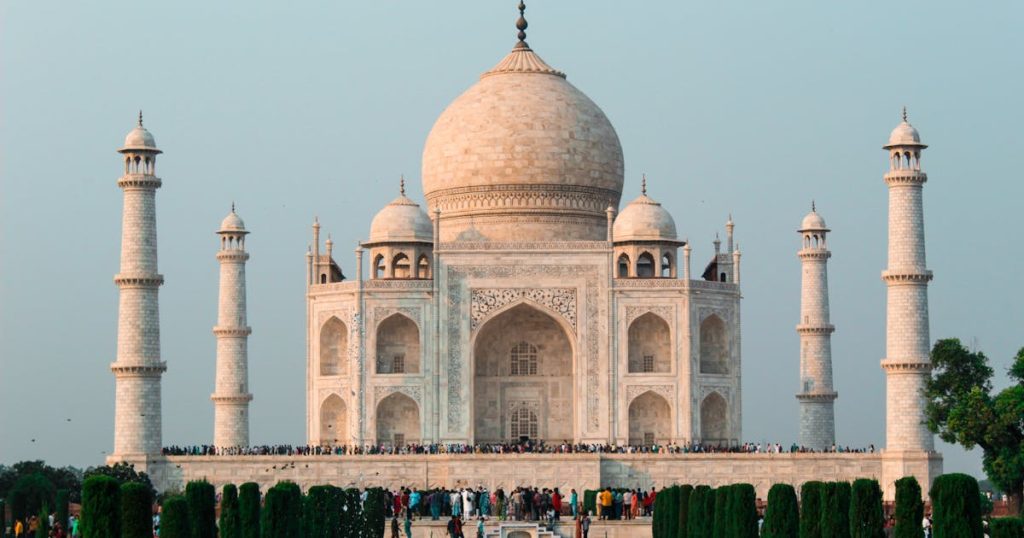
For the discerning traveller, India is not just a destination; it’s an experience that unfolds layer by layer, rewarding those who take the time to truly see it. It’s a land where history isn’t confined to museums but is alive in the bustling laneways of ancient cities, the majestic forts of Rajasthan, and the tranquil temples of the south. For senior travellers, India offers a profound journey into a culture that deeply respects its elders, where a slower pace is not just possible but encouraged, allowing you to savour every moment, from the sublime beauty of the Taj Mahal at sunrise to a gentle cruise along the palm-fringed backwaters of Kerala.1
We know that planning a trip to a country as vast and vibrant as India can feel a bit daunting. You might be wondering about the pace, the practicalities of getting around, or how to navigate its delightful sensory overload with comfort and confidence. That’s where this guide comes in. Think of it as a chat with a savvy friend who’s been there and wants to share all the secrets. We’ll cover everything you need to know to make your South Asian adventure not only manageable but truly magnificent, focusing on comfort, safety, and experiences that will stay with you for a lifetime.


Snapshot & Quick Facts
Here’s a handy cheat sheet with all the essential details in one place.
| Category | Details |
| Currency | Indian Rupee (INR). Approx. 1 AUD = 58 INR (rate fluctuates).2 |
| Time Zone | India Standard Time (IST) is UTC +5:30. This is 4.5 hours behind AEST and 5.5 hours behind AEDT.2 |
| Language | Hindi & English are the official languages. English is widely spoken in tourist areas, hotels, and major cities.4 |
| Avg. Temps & Rainfall | North (Oct-Mar): 5–25°C / 5–20mm (Pleasant, dry).
North (Apr-Jun): 30–45°C / 10–70mm (Very hot). South (Nov-Feb): 23–32°C / 20–70mm (Warm, pleasant). South (Jun-Oct): 24–30°C / 350mm+ (Monsoon).6 |
| Best Months to Visit | October to March. This period offers cool, dry, and sunny weather across most of the country, perfect for comfortable sightseeing.10 |
| Flight Time from Aus | Direct (SYD/MEL to Delhi): ~12.5–13.5 hours.12 With Stopover (BNE/ADL/PER): 15–20+ hours.14 |
| Visa for Australians | Yes, an eVisa is required. Apply online at least 5 days before travel. Options for 30-day, 1-year, or 5-year validity are available. Your passport needs 6 months’ validity and two blank pages.17 |
| Emergency Numbers | 112 for all emergencies (Police, Fire, Ambulance).
Tourist Helpline: 1363 or 1800 11 1363.19 |
| Power Plugs | 230V / 50Hz. Plugs are Type C, D, or M (two or three round pins). A universal adapter is essential.22 |
| Senior Discounts? | Yes, but limited for tourists. Some domestic airlines offer discounts on base fares for travellers over 60. Concessions at monuments are generally for Indian citizens only, but it’s best to ask directly.25 |
| Wheelchair Accessibility | Rating: 2/5. Highly variable. Major airports and 5-star hotels are good, but public transport, older buildings, and many heritage sites present significant challenges. Careful planning is a must.29 |

Getting Around Locally
How you choose to travel within India will have the biggest impact on the comfort and enjoyment of your trip. While the country has an extensive public transport network, it can be challenging for senior travellers.
Transport Overview
For seniors, the comfort, safety, and sheer convenience of a private car with a driver make it the undisputed best way to explore India. It eliminates the stress of navigating chaotic stations and crowded streets, allowing you to travel at your own pace in a clean, air-conditioned environment. Your driver serves as your navigator, luggage handler, and a trusted local guide, providing door-to-door service that is invaluable when visiting large monuments or bustling markets.44
- Private Car & Driver (Highly Recommended): This is the gold standard. It offers complete flexibility to stop whenever you wish, avoid the midday heat, and travel in comfort. It is surprisingly affordable and transforms the travel experience from stressful to seamless.44
- Trains: An iconic Indian experience, but one that requires planning. For comfort, book tickets well in advance in AC First Class or AC 2-Tier. Train travel is best suited for longer journeys between major cities. Be prepared for busy (and sometimes chaotic) stations.1
- Domestic Flights: Essential for covering the vast distances between regions, such as from North to South India. Airlines like IndiGo and Air India offer discounts on domestic base fares for travellers over 60, but you must present a valid photo ID with your date of birth at check-in.25
- Rideshare & Taxis: Uber and Ola are readily available in major cities and are useful for short trips, like going out for dinner. For full-day sightseeing, your private driver is a much better option.
- Coaches & Ferries: Long-distance buses are generally not recommended due to comfort levels. However, short ferry rides, such as from Mumbai to Elephanta Caves or across the backwaters in Kerala, can be very scenic and enjoyable parts of a day trip.46


Mobility & Accessibility
Accessibility in India is a work in progress and can be inconsistent. While modern infrastructure, like airports and five-star hotels, is generally well-equipped, many public spaces and historical sites present challenges. The key is to plan ahead and never assume a place is accessible without confirming first.
- Terrain: Be prepared for varied surfaces. City streets can be crowded and uneven. Heritage sites frequently feature cobblestones, steep ramps without handrails, and numerous steps. For example, getting to the main courtyards at Amber Fort in Jaipur involves a steep ascent.29
- Infrastructure: Ramps and lifts are standard in new, high-end hotels and all international airports.30 However, they are often absent in older buildings, smaller hotels, and many railway stations. Public buses with low-floor access are not common.
- Accessible Taxis: Specialised vehicles with ramps or lifts are not widely available and cannot be hailed on the street. Services must be booked well in advance through specialist providers, which exist in cities like Mumbai and Delhi.50
- Mobility Aid Rentals: You can rent manual and electric wheelchairs in major tourist cities, including Delhi, Jaipur, Mumbai, and Trivandrum (Kerala). A basic manual wheelchair costs around ₹1000–₹2500 (AUD $18–$45) per month, plus a security deposit and delivery fees.52
- Requesting Assistance: Assistance can and should be pre-booked with your airline for airports. For train travel, Indian Railways offers a ‘Yatri Mitra Sewa’ (Passenger Friend Service) at major stations, which provides wheelchair and porter assistance. This can be booked online via the IRCTC portal when you have a confirmed ticket.56

Transport Passes
- Indrail Pass: This pass, available only to foreign nationals, offers unlimited travel on the Indian Railways network for a fixed period. It can be cost-effective if you plan on making several long train journeys. However, for most senior itineraries that prioritise comfort, a combination of a private car and a few key domestic flights is often a more practical and comfortable approach.58
- Hop-On-Hop-Off Buses: These tourist buses operate in cities like Delhi and can be a low-stress way to get an overview of the main sights. If you have mobility concerns, it’s wise to check on the accessibility of the buses themselves before purchasing a ticket.

Highlights & Experiences for the Discerning Traveller
India offers a lifetime of experiences. Here are a few curated themes perfect for a comfortable yet deeply engaging journey.
History & Heritage (The Golden Triangle & Beyond)
- Headline Experiences: Witness the ethereal beauty of the Taj Mahal at sunrise in Agra. Explore the sprawling, majestic Amber Fort overlooking Jaipur. Wander through the serene gardens of Humayun’s Tomb in Delhi, a stunning precursor to the Taj.
- Accessibility Caveats: The Taj Mahal complex is largely wheelchair-friendly, with ramps leading to the main platform. However, entering the inner mausoleum requires navigating stairs.59 Agra Fort has ramps, but some are steep, and surfaces can be uneven.59 At Amber Fort, taking a jeep up the hill, is the most accessible option; once inside, be prepared for multiple levels connected by steps. Hiring a porter with a wheelchair is a common and helpful solution.61 Delhi’s Qutub Minar and Humayun’s Tomb offer good accessibility around their main grounds.62 Jaipur’s famous Hawa Mahal (Palace of Winds) is best admired and photographed from the street, as its interior is not accessible.63
Coastal & Nature’s Embrace
- Headline Experiences: Glide through the tranquil backwaters of Kerala on a private houseboat. Search for the elusive Bengal tiger on a safari in Ranthambore National Park. Stroll along the promenade at Mumbai’s iconic Gateway of India.
- Accessibility Caveats: Boarding a Kerala houseboat may require assistance, so it is vital to book with a tour operator that specialises in accessible travel.31
Ranthambore safari vehicles (jeeps or larger canters) have a high step to get in and provide a very bumpy ride, which may not be suitable for those with back or severe mobility issues.40 The promenade around the Gateway of India is flat, paved, and easily accessible.65 A trip to the Elephanta Caves from Mumbai involves a ferry and a climb of 120 steps; while sedan chairs can be hired, it is not independently accessible for wheelchair users.66
Food & Wine Journeys
- Headline Experiences: Participate in a private cooking class to learn the secrets of North Indian cuisine. Take a guided walk through the aromatic chaos of a Delhi spice market. Tour the beautiful vineyards of Nashik, India’s premier wine region, located a few hours from Mumbai.
- Accessibility Caveats: Spice market tours involve navigating very crowded and narrow laneways. A cooking class hosted in a 5-star hotel will be more accessible than one in a private home.67 Major wineries like Sula in Nashik are modern facilities and generally offer good accessibility.69
Arts & Culture Immersion
- Headline Experiences: Witness the mesmerising evening aarti (lamp-lighting ceremony) on the banks of the River Ganges in Varanasi. Watch a vibrant and dramatic Kathakali dance performance in Kerala. Explore the colourful bazaars of Jaipur, famous for their beautiful textiles, jewellery, and handicrafts.
- Accessibility Caveats: The ghats (steps leading to the river) in Varanasi are not accessible; the aarti is best and most comfortably viewed from a private boat on the river.42 Theatres can usually accommodate wheelchairs if notified in advance. Bazaars are typically crowded with uneven surfaces, best navigated with a guide.
Wellness & Slow Days
- Headline Experiences: Indulge in a week-long, rejuvenating Ayurvedic treatment package in a dedicated wellness resort in Kerala. Practice gentle yoga and meditation at a peaceful ashram or retreat near Rishikesh. Enjoy a quiet afternoon stroll through the historical Lodi Garden in Delhi.
- Accessibility Caveats: Delhi’s Lodi Garden is largely flat and accessible.62 High-end wellness resorts, such as Six Senses Vana, are often designed with accessibility in mind, but it is crucial to confirm specific needs with the property before booking.33
Soft Adventures
- Headline Experiences: Take a gentle, guided hike in the Himalayan foothills around Darjeeling, offering stunning views of Kanchenjunga. Enjoy a leisurely e-bike tour through the rural landscapes surrounding Udaipur. Experience a classic camel ride at sunset in the Thar Desert near Jaisalmer.
- Accessibility Caveats: Many trekking companies offer easy-grade hikes suitable for active seniors.71 E-bike tours can be tailored to your fitness level, with the electric motor providing a welcome boost on any inclines.72 Mounting a camel requires a degree of flexibility and balance, and should be considered on an individual basis.


Your Home Away From Home
From converted palaces to modern high-rises, India offers a wonderful range of places to stay.
Typical Price Bands (per night, AUD):
- $$ (Comfortable): AUD $80–$150. This will get you a room in a clean, well-located 3- or 4-star hotel or a charming family-run guesthouse (haveli).
- $$$ (Premium): AUD $150–$300. Expect high-end hotels, beautifully restored heritage properties, and boutique stays with excellent service.73
- $$$$ (Luxury): AUD $300+. This is the realm of opulent palace hotels and 5-star international chains like Taj, Oberoi, and Leela, offering impeccable service and facilities.
Recommended Areas for Seniors:
- Delhi: Look for hotels in South Delhi (like Vasant Kunj or Saket) or the well-planned sub-city of Dwarka. These neighbourhoods are quieter, greener, and safer, with great access to top hospitals and the airport, offering a peaceful retreat from the city’s intensity.75
- Jaipur: Areas like Bani Park and Civil Lines are ideal. They are centrally located but more tranquil than the chaotic Walled City and are home to many lovely heritage hotels.
- Mumbai: For sightseeing, South Mumbai (Colaba, Fort) is convenient but can be noisy. The upscale suburb of Bandra is a pleasant alternative. For true peace and quiet, consider a resort just outside the main city.76
Hotel vs. Serviced Apartment vs. Heritage Stay:
- Heritage Hotels: Staying in a converted haveli (mansion) or palace is a uniquely Indian experience. Many have been updated with modern amenities like lifts, but it’s essential to verify accessibility.
- 5-Star Hotels: This is your most reliable choice for guaranteed accessibility. They will have lifts, ramps, and often have fully accessible rooms with features like roll-in showers.77
- Serviced Apartments: A great option for longer stays, offering more space and a kitchenette. Prices are often comparable to mid-range hotels.81
- Finding Accessible Properties: When using sites like Booking.com, use the ‘wheelchair accessible’ filter to narrow your search.82 However, this is only the first step.
Always follow up with a direct email or phone call to the hotel to confirm the specific features you require (e.g., step-free entrance, lift access to all floors, roll-in shower, grab bars).
Senior Saver: Scoring the Best Deals
You can find excellent rates by travelling in the shoulder seasons (September-October and March-April). For stays of a week or more, it’s always worth contacting the hotel directly to inquire about a long-stay discount. They are often happy to offer a better rate than what’s listed online.

A Taste of India
Indian cuisine is a highlight of any trip, with an incredible diversity of flavours that changes from region to region.
Local Cuisine 101
Must-Try Dishes:
- From the North: You’ll find rich, creamy curries like Chicken Tikka Masala and lamb Rogan Josh; hearty lentil stews (Dal Makhani); and delicious breads like Naan and Roti baked in a clay tandoor oven.83
- From the South: The cuisine is lighter, often featuring rice, lentils, and coconut. Don’t miss the crispy Dosa (a savoury crepe), fluffy Idli (steamed rice cakes), and tangy fish or vegetable curries.83
- Universal Favourites: Look out for Biryani, a fragrant layered rice dish often cooked with meat or vegetables; Samosas, a classic savoury pastry; and Lassi, a refreshing yoghurt-based drink perfect for cooling down.83
Foodie Experiences
- Cooking Classes: A fantastic, hands-on way to engage with the culture. Many luxury hotels offer classes in a clean, professional setting.67 Private classes in local homes are also popular.68
- Market Tours: A guided tour of a spice or vegetable market is a vibrant sensory experience. A guide is essential for helping you navigate the crowds and explaining the local produce.88
- Winery Visits: A few hours’ drive from Mumbai lies Nashik, India’s wine country. Wineries like Sula offer tours and tastings in modern, scenic settings.69
Travel Tip: Communicate Your Needs Clearly
Use a translation app like Google Translate on your phone to show your waiter a written card with your dietary requirements in Hindi. Simple phrases like ‘No gluten’ (ग्लूटेन नहीं) or ‘No sugar’ (चीनी नहीं) can prevent any confusion.

Dietary & Health Considerations
India is wonderfully accommodating for various dietary needs, but food and water safety should always be your top priority. The golden rule for travellers is simple: ‘Cook it, boil it, peel it, or forget it.’
- Vegetarian/Vegan: India is a vegetarian’s paradise. Due to cultural and religious traditions, vegetarian food is the default in many places, and the variety is astounding.34
- Low-Sodium: Most dishes are cooked to order, so requesting ‘kam namak’ (less salt) is easy. Steamed snacks like Dhokla or roasted fox nuts (Makhana) are naturally low-sodium options.84
- Gluten-Free: Many Indian dishes are naturally gluten-free, relying on rice, lentils, and chickpea flour. South Indian staples like Dosa and Idli are excellent choices. You’ll need to avoid wheat-based breads like naan, roti, and chapati.85
Food & Water Safety Rules:
- Never drink tap water. Only drink from sealed bottles of reputable brands (like Bisleri or Aquafina).86 Use bottled water for brushing your teeth as well.
- Avoid ice in drinks and steer clear of raw salads and pre-cut fruit, unless you are in a high-end, trusted hotel.
- Only eat fruit that you can peel yourself, like bananas and oranges.
- Stick to food that is freshly cooked and served piping hot.87

Top 5 India Cruise Deals

All-Inclusive Celebrity Voyage with India’s Iconic Golden Triangle & Majestic Taj Mahal
Ship: Celebrity Solstice
Destination: Australia, Indonesia, Singapore, India Returns: Delhi
Available class:
Inside, Ocean View, Veranda, Concierge Class

India’s Golden Triangle & Taj Mahal with Princess Cruises Southeast Asia Voyage
Ship: Diamond Princess
Destination: India, Singapore, Thailand, Malaysia, Vietnam Returns: Singapore
Available class:
Interior, Oceanview, Balcony, Mini-Suite
Temples, Tigers & the Taj Mahal: India’s Highlights with All-Inclusive Celebrity Cruise
Ship: Celebrity Solstice
Destination: Hong Kong, Vietnam, Thailand, Singapore, India Returns: Delhi
Available class:
Inside, Ocean View, Veranda, Concierge Class

India’s Iconic Golden Triangle, China’s Ancient Marvels & Luxury All-Inclusive Silversea Voyage
Ship: Silver Muse
Destination: India, Singapore, Vietnam, Hong Kong, China Returns: Beijing
Available class:
Vista Suite, Classic Veranda Suite, Superior Veranda Suite, Deluxe Veranda Suite
Why You'll Love India
India has a special way of captivating mature travellers. It’s a destination that engages the mind and soul, offering a travel experience that is as enriching as it is exciting.

A Culture of Respect: One of the most wonderful aspects of travelling in India is the genuine reverence and respect shown to elders. This is deeply ingrained in the culture, and as a senior traveller, you’ll be met with warmth, patience, and a sincere willingness to help.1
A Pace That Suits You: India isn’t a country to be rushed. Its true magic is revealed when you slow down, observe, and absorb the details. This makes it perfect for those who prefer a more relaxed itinerary, with plenty of time to appreciate each stop.1
Unmatched Historical Depth: You’re not just seeing sights; you’re walking through millennia of history. From the Mughal grandeur of the Taj Mahal to the ancient rock-cut temples of Elephanta, India offers a tangible connection to the past that is simply awe-inspiring.1
Incredible Value for Money: Your Australian dollar stretches remarkably far in India. This allows for a level of comfort and even luxury, like staying in a restored palace or hiring a private driver for your entire trip, that would be far more expensive elsewhere.
A Feast for the Senses: The vibrant colours of a Jaipur market, the intricate flavours of a home-cooked meal, the sound of temple bells at dusk—India is an immersive experience that reawakens the senses and creates vivid, lasting memories.1
Wellness and Rejuvenation: As the birthplace of yoga, meditation, and Ayurveda, India is the ultimate destination for a restorative holiday. You can indulge in world-class wellness retreats that focus on healing, relaxation, and gentle rejuvenation.32
Did You Know?
The popular board game ‘Snakes and Ladders’ was invented in ancient India! Originally called ‘Moksha Patam’, it was a tool for teaching children about karma and morality, with the ladders representing virtues that lead to enlightenment and the snakes representing vices.34
Festivals & Events Calendar
Experiencing an Indian festival is unforgettable, but the sheer scale can be overwhelming. The key for senior travellers is to enjoy the spectacle from a comfortable and safe vantage point.
January: Republic Day (Jan 26) – A grand military parade in Delhi. It’s a spectacle of national pride, but best viewed on television to avoid the immense crowds.
March: Holi – The vibrant festival of colours. Public celebrations can be very boisterous. The best way to enjoy Holi is to participate in a more controlled event organised by your hotel or a tour company. This lets you experience the joy of the festival in a safe environment. Always wear old clothes, and apply moisturiser to your skin and oil to your hair beforehand to make the colours easier to wash off.106
October/November: Diwali – The stunning five-day festival of lights. This is a magical time to be in India. Homes and streets are decorated with thousands of tiny oil lamps (diyas) and colourful light displays. The atmosphere is joyous and festive. For a more peaceful experience, avoid the areas with very loud firecrackers and consider celebrating in a rural village or a heritage hotel, where the traditions feel more intimate and personal.106
November: Pushkar Camel Fair (Rajasthan) – A spectacular gathering of traders, pilgrims, and thousands of camels in the desert. It’s a photographer’s dream, but it can be very crowded and dusty. A short, guided visit of a few hours is the best way to take in the highlights without getting overwhelmed.32
Trip Planning Essentials
A little forward planning goes a long way in ensuring your Indian adventure is smooth and enjoyable. Here’s what you need to know before you go.
Final Word
India is a country that truly gets under your skin and into your heart. It challenges, delights, and changes you, all in the best possible ways. With the right planning and a spirit of adventure, it is an immensely accessible and rewarding destination for senior travellers. We hope this guide has given you the confidence and practical tools to plan an unforgettable journey.
Phir milenge! (See you again!)