

Your Ultimate Guide to the Philippines: A Seniors Travel Club Special
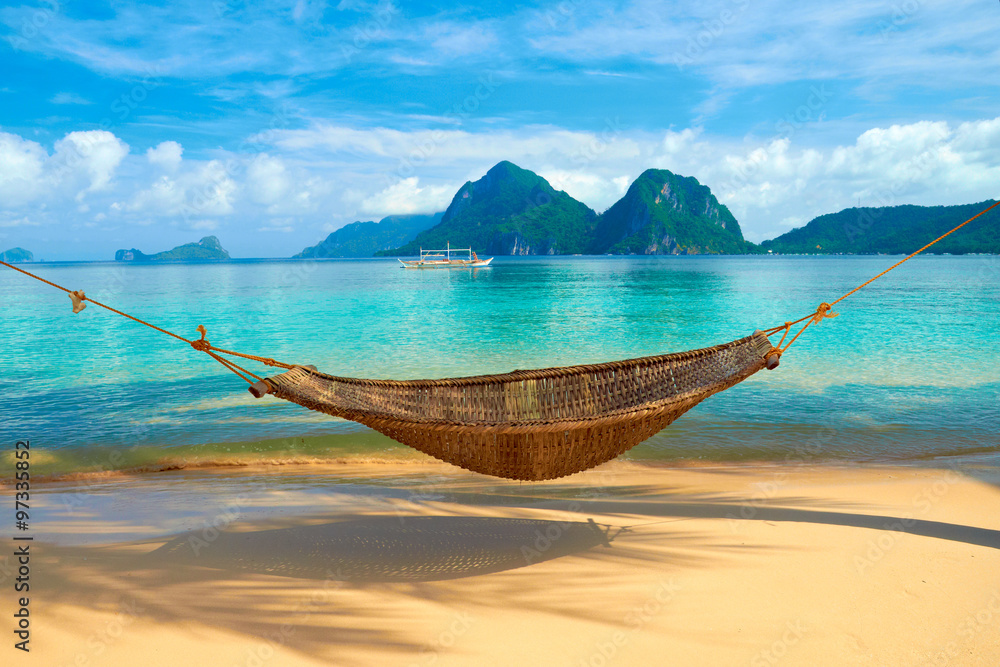
Warm hospitality, pristine islands and crystal-clear waters create a tropical getaway that’s both peaceful and welcoming.
Mabuhay! Discover the Heart of the Philippines
Hello, travellers! If you’re dreaming of a holiday that swaps the hustle and bustle for a gentler pace, where the smiles are as warm as the sunshine, then it’s time to set your sights on the Philippines. This incredible archipelago of over 7,000 islands is more than just a postcard-perfect beach destination. It’s a place where life moves to the rhythm of the tides, where the culture is as vibrant as its history, and where the welcome you’ll receive is as genuine as it comes.1
For the discerning Aussie traveller, the Philippines offers a unique kind of magic. Imagine exploring centuries-old colonial towns, cruising down a tranquil jungle river, or simply finding your perfect patch of white sand to unwind with a good book. It’s a country where English is spoken so widely that you can chat with locals and share a laugh with ease, making every interaction a joy.3 Plus, your Aussie dollar will go a remarkably long way in the country, allowing you to enjoy comfortable accommodation, delicious meals, and even a bit of luxury without a worry.
In this guide, we’ll explain everything you need to know to plan a safe, relaxed, and unforgettable adventure in this tropical paradise. Let’s get started!

Snapshot & Quick Facts
Here are the key details you’ll need in one handy spot. It’s your cheat sheet for a perfectly planned Philippine adventure.
| Category | Details |
| Currency | Philippine Peso (PHP). The exchange rate is typically around 37 PHP to 1 AUD, but it’s always best to check the latest rates before you go. |
| Time Zone | Philippine Time (PHT) is UTC+8. This is 2 hours behind AEST (e.g., Sydney/Melbourne in winter) and 3 hours behind AEDT (during daylight saving).5 |
| Language | Filipino and English are the official languages. English is spoken exceptionally well by over half the adult population, especially in business, government, and tourism.3 |
| Climate (Manila) | Dry Season (Dec–Feb): Avg. 26°C, low rainfall.
Hot Season (Mar–May): Avg. 30°C, very humid. Wet Season (Jun–Nov): Avg. 27°C, high rainfall and typhoon risk.7 |
| Best Months to Visit | December to February. This period offers the most pleasant weather—cooler and drier, which is perfect for comfortable exploring.9 |
| Flight Time (Direct) | From SYD/BNE: ~8.5–9.5 hours.
From MEL: ~10.5 hours. From PER/ADL: No direct flights, typically 12+ hours with a stopover.11 |
| Visa for Australians | Visa-free for tourism stays up to 30 days. You’ll need a passport with at least 6 months’ validity and proof of an onward or return flight. You must also complete an eTravel Card online before arrival.13 |
| Emergency Numbers | 911 is the national number for police, fire, and ambulance. 15 The Department of Tourism (DOT)’s Tourist Assistance Call Centre (TACC) can be contacted through: 151-TOUR (8687) or via email: [email protected] 16 |
| Power Plugs | Types A, B, and C are used. A universal travel adapter is a must. The voltage is 220V / 60Hz, which is compatible with Australian appliances.17 |
| Senior Discounts? | Yes (with a caveat). A 20% discount for local seniors is the law. While not applicable for foreign nationals or tourists, many places might accept if you politely ask and show your passport or driver’s licence.19 |
| Wheelchair Accessibility | Rating: 1/5. It varies where you are. Public infrastructure is generally poor. Major cities, modern hotels, shopping malls, and specific business districts offer more resources. If travelling to rural areas, careful planning is a must.20 |

Transport Overview
Navigating the Philippines is an adventure in itself. Here are the best options for comfortable travel.
- Domestic Flights: The quickest and easiest way to hop between major island groups (e.g., from Manila on Luzon to Cebu in the Visayas). Philippine Airlines and Cebu Pacific are the main carriers.34
- Ferries: A scenic way to travel between nearby islands, like the popular Cebu to Bohol route. Opt for modern ‘fast ferries’ for a quicker, more comfortable journey. The company FAST Cat is known for having more accessible vessels, including elevators on board.34
- Coaches (Buses): For longer land journeys, choose ‘Deluxe’ or ‘Luxury’ coaches. These are air-conditioned, have comfortable reclining seats, offer a toilet on board for passengers, and are a world away from the basic local buses. 34
- Private Car with Driver: This is highly recommended for day trips and getting around locally. It’s surprisingly affordable and offers unbeatable convenience, comfort, and flexibility. Your driver can take you door-to-door, wait for you at attractions, and help with luggage.23
- Taxis & Rideshare: Taxis are plentiful in cities, but always insist that the driver use the meter. A better option is to use the Grab app (Southeast Asia’s version of Uber), which gives you a fixed price upfront for a safe and transparent journey.34
- Jeepneys & Tricycles: These iconic vehicles are a colourful part of Filipino life, but they are often cramped, open-air, and can be difficult to get in and out of. They’re great for a photo, but a private car or Grab is far more comfortable, especially for travellers with mobility issues.21

Mobility & Accessibility
It’s important to be realistic about accessibility in the Philippines. While the Filipino people are incredibly helpful and will often go out of their way to assist you, the public infrastructure can be challenging for those with limited mobility.
- Terrain Summary: Outside of modern business districts like Makati and Bonifacio Global City (BGC) or high-end resorts, you should expect uneven pavements, high curbs without ramps, and broken footpaths, especially in rural areas.20 Historic spots like Intramuros in Manila feature cobblestone streets, which can be tricky to walk on.40 Careful planning and opting for private transport can overcome most of these hurdles.
- Ramps & Lifts: These are not common in most public spaces. You’ll find them in major shopping malls, business districts, and modern hotels, but don’t expect them in older buildings, remote train stations, or smaller establishments.21
- Mobility Aid Rentals: Renting mobility scooters is not a well-developed service in the Philippines. Some international providers like Scootaround may offer services, but there is no guarantee of availability, so you will have to call them in advance.41 For reliability, it’s best to bring a portable, foldable mobility scooter from home.
- Accessible Transport: In Manila, a service called Lifeline WheelMobile offers on-demand, wheelchair-accessible vans equipped with ramps or lifts and driven by trained staff. This is an invaluable service for wheelchair users and can be booked in advance.42
- Requesting Assistance at Airports: Be sure to request wheelchair assistance from your airline at least 48 hours before your flight. Major airports like Manila (NAIA) and airlines like Philippine Airlines offer excellent services, including curbside assistance, priority check-in, and special lifts for boarding the aircraft.44

Transport Passes
The Philippines doesn’t have multi-day transport passes like you might find in Europe. Instead, discounts are typically applied to single-journey tickets.
- Train Discounts: A 50% fare discount for seniors was recently launched for Manila’s LRT and MRT train lines.46 It is not confirmed if this applies to foreign tourists, but it is always worth politely asking at the ticket window with your passport as ID.
- Ferry Discounts: The standard 20% senior discount on major ferry lines is, by law, for Filipino citizens only.48


Highlights & Experiences
From historical treasures to natural wonders, here are some top experiences tailored for a comfortable and enjoyable trip.
History & Heritage (Low Stamina)
Explore Intramuros, Manila: Step back in time in the old Spanish walled city. A gentle walking tour is lovely in the cool of the morning, but for a truly relaxing experience, hire a kalesa (horse-drawn carriage) to clip-clop along the cobblestone streets. Don’t miss the magnificent San Agustin Church and the historic Fort Santiago.28
Discover Cebu’s Historical Heart: Visit the epicentre of Christianity in the Philippines. The iconic Magellan’s Cross and the beautiful Basilica Minore del Santo Niño are located close together in a flat, easily walkable area.23
- Accessibility & Stamina Caveats: Intramuros has uneven cobblestones, so sturdy, comfortable shoes are a must.40 A kalesa ride is an excellent low-mobility option. Both Manila and Cebu’s historic sites can get very hot; plan your visits for the early morning or late afternoon. Remember to ask about senior discounts at any of these tourist sites. 50
Coastal & Nature (Variable Stamina)
Relax on Boracay’s White Beach: This is one of the world’s most beautiful beaches for a reason. Its most famous stretch, White Beach, is renowned for its powder-soft and flat sand, making it perfect for gentle strolls along the water’s edge.23
Cruise the Loboc River, Bohol: This is a must-do. It’s a wonderfully serene experience where you board a floating restaurant for a gentle cruise through a lush jungle landscape, all while enjoying a delicious buffet lunch and live music.23
See the Chocolate Hills, Bohol: These unique geological formations are an incredible sight. You can hire a private car to take you directly to the main viewing complex in the town of Carmen for the iconic panoramic view.51
- Accessibility & Stamina Caveats: The main viewing deck at the Chocolate Hills requires climbing over 200 steps, and there is no lift.52 However, you can still get fantastic photos and enjoy the view from the base area and on the drive up; this is the best accessible option.
What You Should Know: Island hopping is a classic Philippine activity, but requires careful thought. Getting on and off the traditional bangka boats often means wading through knee-deep water and climbing a small, steep ladder.55 For those with mobility or balance concerns, it’s best to book a private tour and speak with the operator beforehand about assistance and choosing islands with easier beach access.
Arts & Culture (Low Stamina)
Visit the Ayala Museum, Manila: Located in the modern, accessible district of Makati, this excellent museum offers a comfortable, air-conditioned look at Filipino history and art. It is fully equipped with lifts and ramps.
Discover Local Crafts: Explore local markets to find beautiful souvenirs, from lustrous South Sea pearls to intricate wood carvings and handwoven textiles.
- Accessibility & Stamina Caveats: Modern museums are generally very accessible. Local markets can be crowded with uneven ground, so a visit earlier in the day is often more pleasant.
Wellness & Slow Days (Low Stamina)
Indulge in a Hilot Massage: Treat yourself to a traditional Filipino massage. This therapeutic and relaxing experience is available at most hotel spas and is the perfect way to unwind after a day of exploring.
Soak in Maquinit Hot Springs, Coron: One of the world’s few natural saltwater hot springs, its warm, therapeutic waters are said to soothe tired muscles. The path to the springs is generally well-maintained and easy to navigate.57
Enjoy a Sunset on the Beach: Find a comfortable beachfront bar on a west-facing beach like Las Cabañas in El Nido or Dumaluan in Bohol, order a tropical drink, and watch the sky put on a spectacular show.24
- Accessibility & Stamina Caveats: Most hotel spas are fully accessible. The path to Maquinit Hot Springs may have some uneven sections, but it is generally a short and manageable walk.
Soft Adventures (Moderate Stamina)
Gentle Hikes in Palawan: For active seniors, Palawan offers several ‘soft’ hikes. Trails like Mount Salakot near Puerto Princesa are considered easy day hikes on well-defined paths, offering rewarding views without being overly strenuous. 58
E-Bike Tour in Coron: Explore the countryside without all the effort! Guided tours on electric mountain bikes let you see the sights at a relaxed pace, with the motor taking the strain out of the hills. It’s a fun way to visit local beaches and hot springs. 57
View the Banaue Rice Terraces: You don’t need to be a hiker to see this ‘Eighth Wonder of the World.’ Hire a car and driver to take you to the main viewpoints along the mountain roads. These spots offer the same jaw-dropping vistas you see in photos, no trekking required.
- Accessibility & Stamina Caveats: It is crucial to understand that hiking into the Banaue Rice Terraces, especially the amphitheatre at Batad, involves navigating thousands of steep, uneven, and ancient stone steps with no handrails.59 This is extremely challenging and not recommended for anyone with mobility or balance issues. The accessible and highly recommended alternative is to enjoy the magnificent views from the various roadside lookouts.61


Your Home Away From Home
Finding the right place to stay is key to a comfortable trip. The Philippines offers a wide range of excellent options to suit every style and budget.
- $$ (Budget-friendly): $40 – $80 for clean, simple 3-star hotels or guesthouses.
- $$$ (Mid-range): $80 – $200 for comfortable 4-star hotels and boutique resorts with pools and excellent amenities. This is the sweet spot for most travellers.
- $$$$ (Luxury): $200+ for 5-star resorts with premium service, multiple restaurants, and extensive facilities.63
Recommended Areas for Seniors
- Manila: Stick to Makati or Bonifacio Global City (BGC). These modern districts are clean, safe, and walkable, with a fantastic selection of hotels, restaurants, and world-class hospitals.30
- Cebu: For a relaxing beach holiday, stay at a resort on Mactan Island, where everything you need is on-site. If you prefer a city base, the area around the Ayala Centre (Cebu Business Park) is modern, safe, and convenient. 65
- Bohol: Base yourself on Panglao Island. The area around Alona Beach is lively, while nearby Dumaluan Beach offers a quieter, more relaxed atmosphere with beautiful resorts.24
Hotel vs. Serviced Apartment
- Hotels & Resorts: The best choice for service and convenience. With on-site restaurants, tour desks, and staff to assist you, they offer a hassle-free holiday.
- Serviced Apartments: A great option for longer stays (a week or more), offering more space, a separate living area, and a kitchenette. Prices in Manila can range from around $35 per night for a basic studio to over $150 for a luxury apartment.66
Finding Accessible Properties
When booking, use the accessibility filters on sites like Booking.com or Expedia (e.g., ‘wheelchair access’, or ‘lift’). For guaranteed accessibility, specialist sites like Wheel the World can be helpful.68 It is always a good idea to call or email the hotel directly before you book to confirm your specific needs, such as a roll-in shower or a room close to the lift.
Senior Saver: Unlocking Deals
Many hotels, especially during the shoulder seasons (May-June and November), offer excellent discounts for longer stays of a week or more. Don’t be shy about emailing the hotel directly to ask for their best ‘long-stay’ or ‘senior’ rate. You might be pleasantly surprised by the deals they can offer! 70
Local Cuisine 101
Filipino food is a delicious fusion of savoury, sour, and sweet flavours. Here are a few must-try dishes:
- Adobo: Often called the national dish, this is chicken or pork braised in a flavourful mix of soy sauce, vinegar, garlic, and peppercorns.
- Lechon: The ultimate celebration food! A whole pig is slow-roasted over coals until the skin is incredibly crispy while the meat stays tender.
- Sinigang: A wonderfully tangy and savoury soup, usually made with a tamarind broth, vegetables, and your choice of pork, beef, or seafood.
- Kinilaw: The Filipino version of ceviche. Fresh, raw fish is cured in vinegar, ginger, onions, and chilli.
- Halo-Halo: A famous and refreshing dessert. It’s a colourful mix of shaved ice, evaporated milk, sweet beans, jellies, and fruits, all topped with a scoop of ube (purple yam) ice cream.
Foodie Experiences
- Market Tours: A visit to a local market is a feast for the senses. You’ll see an incredible array of tropical fruits, fresh seafood, and local vegetables.
- Cooking Classes: Several schools in Manila and Cebu offer classes on Filipino cuisine. Look for one that caters to beginners for a fun, relaxed, and hands-on experience. 78
Travel Tip: Use a Dietary Card App
For specific dietary needs (e.g., celiac, low sodium, allergies), use an app like Google Translate to create a clear, translated card in Filipino explaining your requirements. Show this to your server to avoid any confusion and ensure a safe dining experience.

Dietary & Health Considerations
Communicating your dietary needs is easier in the Philippines than in many other parts of Asia, thanks to the high level of English proficiency.
- Vegetarian/Vegan: Traditional cuisine is quite meat-heavy, but most restaurants in tourist areas now offer vegetarian options. Look for dishes like Ensaladang Talong (roasted eggplant salad) or Lumpiang Gulay (vegetable spring rolls).71
- Low-Sodium: This can be tricky, as soy sauce and fish sauce (patis) are common ingredients in most Filipino dishes. Don’t hesitate to ask for your dish to be prepared with ‘less salt’ (walang masyadong asin/bawasan ang asin). Naturally lighter dishes like Pesang Isda (fish simmered in a ginger broth) are a great choice. 72
- Gluten-Free: Soy sauce is the main thing to watch out for. It’s a good idea to bring a small bottle of gluten-free tamari with you. Stick to naturally gluten-free dishes like grilled fish or meat with steamed rice, and rice-based porridges like Arroz Caldo. 74
- Water and Food Safety: Always drink sealed bottled water—never from the tap.76 Ice and fresh salads are generally safe in reputable hotels and restaurants, but should be avoided at street stalls. If in doubt, ask for drinks with ‘no ice’ (walang yelo). 76

Top 5 Philippines Cruise Deals
Why You'll Love the Philippines
Beyond the stunning beaches, the Philippines offers a unique blend of experiences that are perfectly suited to a relaxed and enriching holiday.

The Warmest Welcome in Asia. Filipino hospitality is legendary for a reason. People are incredibly friendly, helpful, and welcoming. With English being so widely spoken, it’s easy to connect with locals, ask for directions, or just share a friendly chat, making you feel genuinely at home.1
A Blissfully Relaxed Pace of Life. Forget the mad rush. In the Philippines, especially in the provinces and islands, life moves at a more leisurely pace. It’s the perfect environment to truly switch off, unwind, and recharge your batteries. Destinations like the charming coastal town of Dumaguete are even nicknamed the ‘City of Gentle People’.1
Incredible Value for Your Dollar. Your travel budget stretches much further here, allowing for a comfortable and high-quality holiday. You can afford to stay in lovely resorts, hire a private car and driver for day trips, and enjoy delicious meals out, all without the hefty price tag you’d find elsewhere.1
Breathtaking (and Accessible) Scenery. While the Philippines has its share of adventurous treks, it’s also brimming with natural beauty that’s easy to enjoy. Think of gentle boat cruises down the lush Loboc River in Bohol, or strolling along the flat, powder-soft sands of Boracay’s famous White Beach.23
A Rich and Unique Cultural Tapestry. The country’s history is a fascinating mix of indigenous cultures, Spanish colonial influence, and American ties. You can see it in the stunning baroque churches, the colourful festivals, and the delicious fusion cuisine that you won’t find anywhere else.4
Did You Know?
The Philippines is home to the world’s longest Christmas celebration! The festive season, known as the ‘Ber Months’, officially kicks off on 1 September. You’ll hear carols and see decorations in shops right through to January, a wonderful display of the country’s deep-rooted Christian faith and love for family gatherings.2
Festivals & Events Calendar
Filipino festivals, or fiestas, are an explosion of colour, music, and devotion to the patron saints of each region. You’ll find some of the most famous festivals in the Philippines:
January – Ati-Atihan (Kalibo) & Sinulog (Cebu): These are two of the country’s biggest and wildest festivals, honouring the Santo Niño (the Holy Child Jesus). They involve massive street parades with thunderous drumming and dancing.
- Senior Suitability: These events are extremely crowded and loud.25 The best way for seniors to enjoy them is from the comfort of a hotel balcony with a view of the parade route, rather than being in the thick of it.91
February – Panagbenga Festival (Baguio): Known as the ‘Flower Festival,’ this event in the cool mountain city of Baguio features spectacular floats adorned with thousands of fresh flowers.
- Senior Suitability: High. While the parade days are busy, the week-long ‘Session Road in Bloom’ event is a more relaxed affair, perfect for a leisurely stroll. The cooler climate is also a big plus. 92
May – Flores de Mayo: A beautiful, month-long Catholic festival held across the country to honour the Virgin Mary. It culminates in the Santacruzan, a stunning evening procession.
- Senior Suitability: High. This is a slow-paced, visually rich, and respectful event that’s easy to watch from the roadside.9
November – Higantes Festival: This is a parade of giant papier-mâché figures that ‘dance’ along with the street performances held in Angono, Rizal, to honour the town’s patron saint, Saint Clement.
- Senior Suitability: Medium. While not as crazy as Sinulog, to ensure safety, seniors should consider avoiding the most crowded areas, choosing a viewing spot with comfortable seating.94
Trip Planning Essentials
A little bit of planning goes a long way, especially when you’re heading to the other side of the world. Here’s what you need to know to get your Filipino adventure off to a flying start.
A Final Word & Farewell
With its warm-hearted people, stunning landscapes, and gentle pace of life, the Philippines is a destination that truly rewards the traveller who takes the time to savour it. By planning ahead for comfort and accessibility, you can unlock an unforgettable holiday filled with rich culture, beautiful scenery, and the warmest of welcomes. We hope this guide helps you feel confident and excited for your adventure.
Paalam at ingat ka! (Goodbye and take care!) 103