

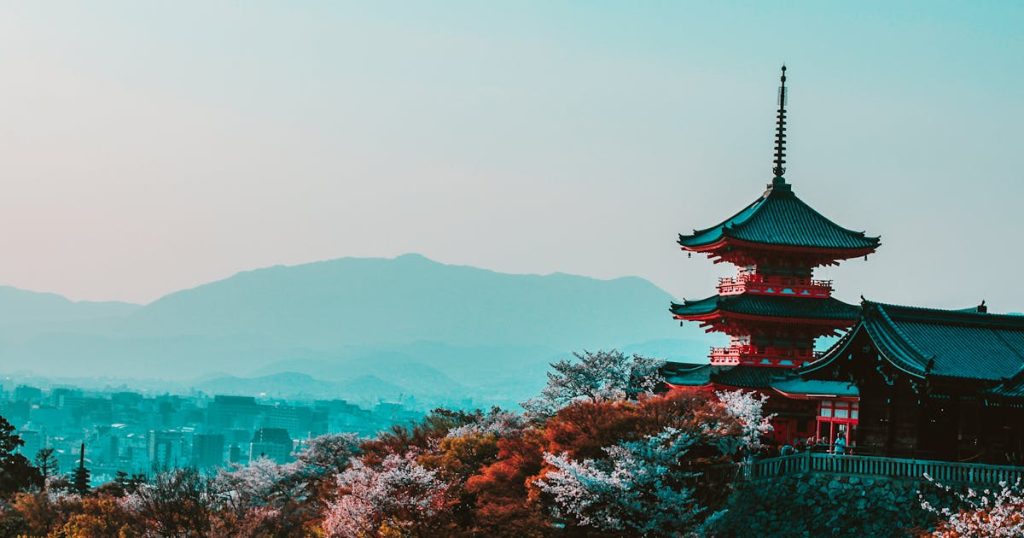
Your Ultimate Guide to Japan: A Seniors Travel Club Special

Your Ultimate Guide to Japan: A Seniors Travel Club Special

A seamless blend of calm temples, beautiful scenery and world-class public transport makes Japan an easy, enriching journey.

Konnichiwa (こんにちは)! A Warm Welcome to Japan

For the seasoned traveller who feels they’ve seen it all, Japan offers a delightful surprise. It’s a country that dances gracefully between the ancient and the hyper-modern, where a serene, moss-covered temple garden can exist just around the corner from a skyscraper that pierces the clouds. For those of us who are lovers of history, beauty, and a structured society, Japan is a destination that doesn’t just dazzle the eyes; it soothes the soul. The quiet efficiency of the world-famous Shinkansen (bullet train), the meticulous care poured into every meal, and the profound respect woven into the fabric of daily life create an atmosphere that is as relaxing as it is utterly fascinating.

This is a journey that invites you to slow down. Forget rushing through checklists; Japan is a place to be savoured. It’s perfectly suited to travellers who prefer a more considered pace, offering unparalleled safety, immaculate cleanliness, and a culture of hospitality, known as omotenashi, that is second to none.1 The deep-seated respect for elders is not just a tradition but a lived reality, ensuring you’ll be met with patience and courtesy at every turn. From the gentle rustle of a bamboo forest to the quiet contemplation of a rock garden, Japan offers a holiday that is restorative, comfortable, and endlessly rewarding. So, grab a cuppa and let’s get planning! 

In this guide, we’ll walk you through everything you need to know to make your Japanese adventure comfortable, memorable, and absolutely brilliant.

Snapshot & Quick Facts

Here are the essential details to have at your fingertips as you plan your trip.

Category Details
Currency Japanese Yen (JPY / ¥). The exchange rate fluctuates, but typically sits around ¥95 to ¥105 for AUD $1.
Time Zone Japan Standard Time (JST), which is UTC+9. This is 1 hour behind AEST and 2 hours behind AEDT, making jet lag wonderfully minimal.3
Language Japanese. English is not widely spoken outside of major hotels and tourist centres. Signs on public transport and in major attractions are usually in English. A smile and a translation app are your best friends.5
Avg. Temps & Rainfall (Tokyo) Spring (Mar-May): 10–19°C / 115–140mm

Summer (Jun-Aug): 22–26°C / 150–180mm (very dry and humid)

Autumn (Sep-Nov): 14–23°C / 110–210mm

Winter (Dec-Feb): 3–10°C / 50–65mm.7

Best Months to Visit March to May (for cherry blossoms) and October to November (for autumn leaves). These months offer the most pleasant weather, avoiding the intense summer humidity and winter chill.8
Flight Times (Direct) SYD/MEL: ~9.5–10.5 hours 10

BNE: ~9–9.5 hours 12

PER: ~9.5–10 hours 14

ADL: No direct flights, typically 13+ hours with one stop.16

Visa for Australians Visa-free for tourism stays of up to 90 days. You must have a valid Australian passport and proof of a return or onward ticket.18
Emergency Numbers Police: 110

Fire & Ambulance: 119

Japan Visitor Hotline: (03) 3503-8484 (For English & Several Other Foreign Languages)

Power Plugs & Voltage Type A / B (two flat pins). Voltage is 100V. You will need a simple plug adapter for your Australian devices. Most modern electronics (phones, laptops) are dual voltage and don’t require a converter.22
Senior Discounts? Yes, but limited for tourists. Some attractions like museums and gardens offer discounts for ages 65 or 70+. Major transport passes like the JR Pass do not have a senior discount for visitors, but are often discounted for tourists in general. Always carry your passport for proof of age.24
Wheelchair Accessibility Rating: 3.5 / 5. Excellent in modern hotels, airports, and major train stations, with widespread lifts and helpful staff. Can be challenging in older temples, traditional inns (ryokans), and smaller restaurants due to stairs and narrow spaces.26

Transport Overview

Japan’s public transport system is a marvel of the modern world. It’s clean, safe, astonishingly punctual, and the best way by far to explore the country. While the network maps can look daunting at first, they are surprisingly easy to navigate.

  • Trains: This is the quintessential Japanese travel experience.
  • Shinkansen (Bullet Train): These high-speed trains are the stars of the show, connecting all major cities on the main island of Honshu and beyond. They are incredibly fast, smooth, and comfortable, with ample legroom and reserved seating options.26

Local & Regional Trains: An extensive and reliable network of JR (Japan Railways) and private lines covers almost every town and village.

  • Coaches/Buses: Long-distance highway buses are a comfortable and more affordable alternative to trains for some routes. Local city buses are useful for reaching sights not located near a train station.
  • Ferries: Essential for island-hopping and connecting the four main islands.
  • Domestic Flights: A practical choice for covering long distances quickly, such as from Tokyo to Sapporo (Hokkaido) or to the southern islands of Okinawa.
  • Taxis & Rideshare: Taxis are everywhere. They are immaculately clean and safe, with drivers in professional uniforms. However, they are quite expensive, and drivers rarely speak English. It’s essential to have your destination address written in Japanese. Rideshare apps like Go Taxi are becoming more common in big cities and offer the convenience of in-app payment and destination setting.47

Mobility & Accessibility

Japan has made enormous strides in becoming ‘barrier-free,’ and for travellers with mobility considerations, it is one of the most accommodating countries in Asia.

  • Terrain Summary: Most city centres are flat and very walkable. However, be prepared for stairs at many temples and shrines, which are often built into hillsides. Traditional gardens can also feature uneven stone paths and gravel, which may be challenging for walkers or wheelchairs.26

Accessibility in Public Transport:

  • Stations: Major train and subway stations are overwhelmingly accessible. Over 95% of stations in Tokyo have lifts or escalators, tactile paving for the visually impaired, and wide ticket gates.26
  • Staff Assistance: This is where Japan truly shines. Station staff are incredibly helpful. If you need assistance boarding a train, simply go to the station office. They will arrange for a staff member to meet you at your platform with a portable ramp and will even call ahead to your destination station to ensure someone is there to help you disembark. This is a standard, seamless service offered to anyone who needs it.
  • Buses and Taxis: Many city buses are now low-floor models for easy step-free access. The newer ‘JapanTaxi’ vehicles, which resemble London cabs, are designed to be wheelchair-accessible, though they may not accommodate larger motorised scooters.26

Mobility Aid Rentals: If you require a wheelchair or mobility scooter, it is highly recommended to arrange a rental in advance. Companies like Accessible Japan can organise for equipment to be delivered directly to your hotel in major cities. Be aware that this process can take a couple of weeks to finalise, so plan ahead.26

Transport Passes

While Japan’s transport system is physically very accommodating, it’s important to know that the financial discounts for seniors common in other countries are generally not available to international tourists. The value here comes from convenience and smart planning, not age-based discounts.

  • The Japan Rail (JR) Pass: This famous pass offers unlimited travel on the vast majority of JR trains, including the Shinkansen. While it does not offer a senior discount for tourists, it can still represent excellent value if you plan on making at least two or three long-distance bullet train journeys (e.g., Tokyo to Kyoto and back). Its greatest benefit is convenience, allowing you to hop on trains without buying individual tickets each time.24
  • Regional Rail Passes: If your trip is focused on a single region, such as the Kansai area (Kyoto, Osaka, Nara) or Hokkaido, a regional pass is often a more cost-effective choice than the nationwide pass.
  • City ‘Silver Passes’ (For Residents Only): You may read about passes like the Keirō Pass in cities like Osaka or Nagoya, which offer huge discounts for seniors. Please be aware that these are only available to local residents and cannot be purchased by tourists.49 It’s important to set this expectation to avoid disappointment.
  • Pre-paid IC Cards (Suica, Pasmo, ICOCA): These are not discount cards, but they are an absolute must-have for convenience. They are rechargeable tap-and-go cards that work on virtually all subways, trains, and buses in major cities across the country. You can also use them to pay at convenience stores, vending machines, and even some shops. Simply top them up with cash at any station ticket machine.

Unforgettable Highlights & Experiences

Japan offers a wealth of experiences that are perfect for a relaxed yet enriching holiday. Here are some of our top picks, with notes on accessibility to help you plan.

History & Heritage

Kyoto’s Temples & Shrines: Immerse yourself in the spiritual heart of Japan. The two most iconic sites are Kinkaku-ji (The Golden Pavilion), a stunning Zen temple covered in gold leaf, and Fushimi Inari Shrine, famous for its mesmerising pathway of thousands of vermilion torii gates.

  • Stamina & Accessibility Caveat: The main viewing path around Kinkaku-ji is mostly flat and paved, though it can be very crowded.51 At Fushimi Inari, the lower loop of the torii gate path is accessible and provides the classic photo opportunity. The full trail up the mountain is a strenuous hike involving many stairs and is not recommended unless you are very fit.52

Nijo Castle, Kyoto: Step back in time to the era of the shoguns at this magnificent castle, a UNESCO World Heritage site. It’s famous for its ornate palaces and ‘nightingale floors,’ which were designed to squeak underfoot to warn of intruders.

  • Stamina & Accessibility Caveat: The castle grounds are spacious and largely flat, with a mix of paved and gravel paths. To enter the main Ninomaru Palace, you must remove your shoes, and there are some raised wooden thresholds to step over.52

Tokyo National Museum: Located in Ueno Park, this is Japan’s oldest and most important museum. It houses an unparalleled collection of Japanese art and antiquities, from samurai armour to delicate scrolls.

  • Stamina & Accessibility Caveat: An excellent choice for a low-impact day. The museum is fully accessible with lifts, ramps, and ample seating. Admission is free for visitors with a disability and one companion.31

Coastal & Nature

Hakone & Mt. Fuji: This beautiful national park is the perfect escape from Tokyo and offers some of the best chances to see the majestic Mt. Fuji. Take the scenic Hakone Ropeway over a volcanic valley and enjoy a peaceful cruise across Lake Ashi on a replica pirate ship.

  • Stamina & Accessibility Caveat: The ropeway gondolas and cruise ships are generally accessible. The main paths at Owakudani volcanic valley are paved but can be steep in parts. The air also has a strong sulfurous smell.46

Arashiyama Bamboo Grove, Kyoto: Walking through this otherworldly forest of towering bamboo is a truly magical experience. The way the light filters through the dense green canopy is unforgettable.

  • Stamina & Accessibility Caveat: The main path through the grove is paved, mostly flat, and about 500 metres long, making for a lovely, gentle stroll. It gets extremely crowded, so to experience its serene atmosphere, a visit early in the morning (before 9 am) is essential.54

Kenrokuen Garden, Kanazawa: Often called one of the three most beautiful landscape gardens in Japan, Kenrokuen is a masterpiece of Japanese garden design, featuring ponds, streams, bridges, and teahouses that are stunning in any season.

  • Stamina & Accessibility Caveat: The garden is large and quite hilly in sections. However, there are designated wheelchair-friendly paths that allow you to see the main highlights. Ample benches are available for resting.45

Food & Drink Experiences

Nishiki Market, Kyoto: Known as ‘Kyoto’s Kitchen,’ this narrow, five-block-long covered market is a feast for the senses. You’ll find hundreds of stalls selling everything from fresh seafood and local pickles to delicate sweets and kitchenware.

  • Stamina & Accessibility Caveat: The market is flat and covered, but it can become incredibly crowded, especially around midday. This can make it difficult to navigate with a walker or wheelchair. A visit on a weekday morning is best.55

Private Cooking Class: A wonderful, hands-on way to engage with the culture. Join a small class to learn the art of making perfect sushi, crispy tempura, or hearty ramen. Many instructors can cater to different skill levels and dietary needs if you let them know in advance.55

Sake Brewery Tour: Visit a traditional brewery to learn how Japan’s national drink is made from just rice, water, yeast, and koji mould. Most tours end with a tasting session, allowing you to sample different grades of sake.55

Arts & Culture

Gion District, Kyoto: Spend an evening strolling through the historic heart of Kyoto’s geisha world. With its preserved wooden townhouses (machiya), cobblestone lanes, and traditional lanterns, it feels like stepping onto a film set. You may even be lucky enough to spot a geiko (Kyoto’s term for geisha) or maiko (apprentice) on her way to an appointment.

  • Stamina & Accessibility Caveat: The main streets like Hanamikoji are flat, paved, and perfect for a slow, atmospheric walk. It’s at its most beautiful at dusk.45

Taiko Drumming Workshop: Feel the powerful, soul-stirring rhythm of Japan. A hands-on taiko drumming lesson is a fun, energetic, and memorable experience that connects you to an ancient art form.46

Wellness & Slow Days

Onsen (Hot Spring) Experience: Soaking in the mineral-rich, geothermal waters of an onsen is a quintessential Japanese ritual and a must-do for relaxation. For ultimate comfort and privacy, book a stay at a ryokan (traditional inn) that offers rooms with a private onsen bath (kashikiri).32

Zen Meditation at a Temple: Find a moment of true tranquility by participating in a guided zazen (seated meditation) session. Many temples, particularly in Kyoto, offer introductory sessions for visitors, providing a profound insight into Buddhist practice.32

Japanese Tea Ceremony: Experience the grace, precision, and artistry of sadō, the Way of Tea. This formal, ritualised preparation and presentation of matcha green tea is a cornerstone of Japanese culture and a beautifully calming experience.45

Soft Adventures

E-bike Tour of Kyoto: A fantastic way to see the city without tiring yourself out. An electric-assist bike makes pedalling up gentle slopes effortless. Guided tours can take you through quiet backstreets, along scenic canals, and to hidden temples that you might otherwise miss.57

Gentle Walk on the Philosopher’s Path, Kyoto: This picturesque, 2-kilometre stone path follows a cherry-tree-lined canal in Kyoto. It’s completely flat and offers a wonderfully peaceful and scenic stroll, connecting several smaller temples and shrines along the way.25

Your Home Away From Home

Choosing the right place to stay is key to a comfortable and enjoyable trip. In Japan, you’re spoilt for choice, from familiar international brands to unique traditional inns. The neighbourhood you choose as your home base will significantly shape your experience, so it’s worth picking one that matches your preferred travel pace.

Typical Price Bands (per night, twin share):

  • $$ (Budget/Mid-range): AUD $150 – AUD $250. This will get you a room in a clean, reliable Japanese ‘business hotel’ chain like APA Hotel or Toyoko Inn. Rooms are famously compact but well-equipped and usually in good locations.58
  • $$$ (Upper Mid-range): AUD $250 – AUD $500. Expect a more spacious room in a well-located city hotel, often from an international or upmarket Japanese brand, with more amenities like a restaurant and concierge service.60
  • $$$$ (Luxury): AUD $500+. This category includes top-tier international hotels like the Four Seasons, Park Hyatt, and Ritz-Carlton, as well as exclusive traditional ryokans offering impeccable service and gourmet dining.62

Recommended Areas for Seniors:

  • Tokyo: For a calm and central base, the Marunouchi or Otemachi areas near Tokyo Station are ideal. They are prestigious, relatively quiet, and offer excellent transport links without the overwhelming crowds of Shinjuku or Shibuya.62 For a more traditional, relaxed atmosphere with a charming ‘old Tokyo’ feel, consider Ueno (with its lovely park and museums) or Asakusa (home to the famous Senso-ji Temple).64
  • Kyoto: Downtown Kawaramachi is a superb choice. It’s the city’s commercial heart, so you’re surrounded by shops and restaurants, but the area is flat, very walkable, and just a short stroll from the historic Gion district.65 The area around Kyoto Station is another practical option for its unmatched transport convenience. For a quieter, more atmospheric stay amidst temples and gardens, look for accommodation in Southern Higashiyama.63

Accommodation Types:

  • Western-Style Hotels: The most straightforward and comfortable option for most travellers. You’ll find everything from budget chains to world-class luxury brands, all offering familiar amenities.
  • Serviced Apartments: An excellent choice for longer stays of a week or more. They provide more space, a kitchenette for preparing simple meals, and a separate living area, allowing you to settle in and feel at home.48
  • Ryokan (Traditional Inn): For a truly unforgettable cultural experience, spend at least one night in a ryokan. This involves sleeping on comfortable futons laid out on tatami mat floors, wearing a yukata (cotton robe), soaking in an onsen (hot spring bath), and being served an exquisite multi-course kaiseki dinner.

Mobility Note: Sleeping on the floor can be challenging for some. Many modern or upmarket ryokans now offer rooms with Western-style beds, providing the best of both worlds. Be sure to request this when booking.

  • Cruise Ship: A fantastic ‘floating hotel’ option. You unpack only once and wake up in a new port every day, with all your meals and transport taken care of.

A Pointer on Accessible Rooms:
Most modern hotels in Japan have excellent, well-designed wheelchair-accessible rooms. However, there are usually only a few available in each property, and they get booked up very quickly. It is crucial to book these rooms many months in advance. Often, the best way to secure one is to contact the hotel directly by phone or email, as they may not be available through standard online booking websites.26 The website Accessible Japan provides helpful lists of hotels with confirmed accessible rooms.67

Senior Saver: Accommodation Deals

Hotel prices in Japan are highly dependent on the season. You can save a significant amount by travelling in the shoulder seasons of late May, October, or November, avoiding the peak cherry blossom rush. Booking your accommodation at least six months in advance is always a wise move to secure the best rates and choices. For stays of five nights or more in one city, look into serviced apartments, which often offer discounted weekly rates.

Local Cuisine 101

Japanese cuisine is a highlight of any trip. It’s about so much more than just sushi; it’s an art form that celebrates fresh, seasonal ingredients, beautiful presentation, and delicate, balanced flavours.

Signature Dishes:

  • Sushi & Sashimi: The art of fresh, raw seafood. Whether you’re at a high-end counter or a fun ‘conveyor belt’ restaurant, the quality is exceptional.69
  • Tempura: Seafood and vegetables coated in a feather-light batter and fried to crispy perfection. A far cry from heavy fish and chips.69
  • Noodle Soups (Ramen, Udon, Soba): A national obsession. Ramen is a rich broth with wheat noodles; udon are thick, chewy wheat noodles; and soba are thin, healthy buckwheat noodles. Each region has its own beloved version.69
  • Kaiseki: The pinnacle of Japanese fine dining. A traditional multi-course meal that is a feast for the eyes as well as the palate. Each small, exquisite dish is a work of art, showcasing seasonal ingredients. Often served as the evening meal at a ryokan.69
  • Okonomiyaki: A delicious savoury pancake filled with shredded cabbage and your choice of meat or seafood, then topped with a special sauce, mayonnaise, and bonito flakes. A fun, casual meal, particularly famous in Osaka and Hiroshima.69
  • Must-Try Bites: Don’t leave without trying yakitori (grilled chicken skewers), gyoza (pan-fried dumplings), and tonkatsu (a breaded and deep-fried pork cutlet, usually served with rice and shredded cabbage).

Foodie Experiences

  • Market Tours: Wander through the bustling aisles of Tokyo’s Tsukiji Outer Market or Kyoto’s Nishiki Market to see the incredible array of fresh produce and sample local delicacies.55
  • Cooking Classes: A fun and interactive way to learn about the culture. Many small, English-friendly classes are available where you can learn to make sushi, soba noodles, or Japanese sweets.46
  • Depachika (Department Store Food Halls): Don’t miss the basement level of any major department store. You’ll find a dazzling wonderland of gourmet food counters, selling everything from exquisite bento boxes and salads to beautiful cakes and traditional sweets. It’s the perfect place to pick up a high-quality, delicious picnic or an easy dinner.

Travel Tip: Beat the Language Barrier with a Diet Card

Don’t rely on verbal explanations or basic translation apps for serious dietary needs. Services like Equal Eats sell professionally translated, credit-card-sized cards that clearly and politely explain your specific requirements in Japanese. There are also free printable versions available from websites like Just Hungry. Showing this card to a chef or server is the most effective way to communicate your needs accurately and respectfully, ensuring a safer and more enjoyable dining experience.71

Dietary & Health Considerations

Navigating dietary needs in Japan requires some preparation, as the cuisine is deeply traditional and the concept of substituting ingredients is not common. The idea is that a chef has perfected a recipe, and to alter it would be to compromise its integrity.

  • Vegetarian/Vegan: This can be challenging. Many dishes that appear to be vegetarian, such as vegetable stews or tofu dishes, are made with dashi, a fundamental soup stock made from fish flakes. However, awareness is growing, and dedicated vegetarian and vegan restaurants are increasingly common in big cities like Tokyo and Kyoto. Another wonderful option is to seek out shojin ryori, a traditional Buddhist vegetarian cuisine often served at temples.70
  • Gluten-Free: This is very difficult to manage. Soy sauce, which contains wheat, is a fundamental ingredient in countless sauces, marinades, and broths. It is absolutely essential to carry a detailed, professionally translated card explaining coeliac disease and the need to avoid wheat, barley, rye, and soy sauce.51
  • Food Safety: Japan’s food safety and hygiene standards are among the highest in the world. Tap water is perfectly safe to drink everywhere, as are ice in drinks and fresh salads.33

Top 5 Japan Cruise Deals

23 nights 25 May 2027

Immersive Japanese Rail Adventure & Princess Cruises East Asia Voyage

Ship: Sapphire Princess

Destination: Japan, South Korea Returns: Tokyo

Price from $9,999

Available class:

Interior, Oceanview, Balcony, Mini-Suite

46 nights 12 August 2027

The Ultimate Grand Voyage from Europe to Japan: Iceland, Greenland & Alaska

Ship: Zuiderdam

Destination: Netherlands, United Kingdom, Iceland, Greenland, Canada, United States, Japan Returns: Tokyo

Price from $14,499

Available class:

Inside, Ocean View, Verandah, Signature Suite

17 nights 6 September 2027

All-Inclusive Japan Voyage, Cosmos Flowers & Mount Fuji Discovery

Ship: Azamara Pursuit

Destination: Japan, South Korea Returns: Seoul

Price from $8,499

Available class:

Interior, Oceanview, Veranda

18 nights 24 February 2028

Springtime in Japan: Tokyo Escape & Immersive Holland America Line Cruise

Ship: Noordam

Destination: Japan, South Korea Returns: Tokyo

Price from $6,499

Available class:

Inside, Ocean View, Verandah, Signature Suite

13 nights 12 September 2027

Princess Cruises Asia Voyage with Tokyo Retreat, Mount Fuji Discovery & Cosmos in Bloom

Ship: Diamond Princess

Destination: Japan, South Korea Returns: Tokyo

Price from $4,499

Available class:

Interior, Oceanview, Balcony, Mini-Suite

View all deals

Why You'll Love Japan

Japan consistently ranks as a favourite destination for our members, and it’s easy to see why. The country offers a unique combination of features that cater perfectly to a comfortable and enriching travel style. The true luxury of a trip to Japan is not just in what you see, but in the complete peace of mind you feel while you're there. For many mature travellers, the absence of common travel worries (like concerns about personal safety or public cleanliness) is the greatest indulgence of all.

Checked

Unparalleled Safety & Cleanliness: Japan is renowned for its incredibly low crime rate and immaculately kept public spaces.2 You can explore bustling city streets or quiet country lanes with a sense of security that is rare in the world today. It’s not uncommon for lost wallets to be returned to their rightful owners with their contents intact, a testament to the country’s collective honesty. 29 This allows you to relax and immerse yourself in your surroundings without constant vigilance.

Checked

A Culture of Respect: Japanese society is built on a foundation of respect, particularly for elders.1 This translates into a travel experience where you are treated with patience, politeness, and genuine warmth. Even when a language barrier exists, you’ll find that people are incredibly willing to help, making interactions feel pleasant and stress-free.

Checked

World-Class Public Transport: Navigating Japan is a dream, thanks to its famously punctual and efficient train system. The Shinkansen is a marvel of speed and comfort, whisking you between cities faster and with ease. Stations are clearly signed in English, and priority seating for seniors and those with mobility needs is readily available and respected.26 Station staff are always on hand to provide assistance, making every journey smooth and predictable.

Checked

A Feast for the Senses (at a Gentle Pace): Japan’s beauty is often found in its quiet details. It’s a destination that rewards slow, mindful appreciation. Spend an afternoon wandering through a meticulously sculpted garden, feel the serene atmosphere of a centuries-old temple, or experience the deeply relaxing ritual of soaking in a natural hot spring (onsen). These are moments of calm that rejuvenate the spirit.31

Checked

Surprisingly Budget-Friendly Quality: While Japan can certainly be a high-end destination, it’s a common misconception that everything is expensive. You can enjoy incredibly high-quality meals, find charming and comfortable accommodation, and purchase beautiful, locally made crafts at prices that are often very reasonable and comparable to what you might spend at home.31

Checked

Health and Wellness Focus: From the healthy, balanced nature of the local cuisine to the culture of walking and the therapeutic benefits of onsen baths, a holiday in Japan can feel wonderfully restorative. It’s a trip that can leave you feeling refreshed in both body and mind.

Checked

Did You Know?

Japan has more vending machines per capita than any other country—over 5 million of them! You’ll find these brightly lit boxes on almost every corner, selling an astonishing variety of goods, from hot coffee in a can and cold green tea to ice cream, snacks, and even full hot meals like ramen. It’s a quirky, convenient, and quintessentially Japanese part of daily life.33

Festivals & Events Calendar

Timing your visit to coincide with a local festival (matsuri) can be a highlight of your trip, offering a vibrant glimpse into Japanese culture. Here are some of the most notable events throughout the year, with tips on their suitability for senior travellers.

Checked

Month

Festival/Event Location

Senior Suitability Notes

January Shogatsu (New Year) Nationwide A quiet, family-focused time. Many shops are closed from Jan. 1-3. Temples are very busy for the first shrine visit of the year.
February Sapporo Snow Festival Sapporo, Hokkaido Features incredible, giant snow and ice sculptures. It’s magical but extremely cold and can be icy underfoot. Book flights and hotels almost a year in advance.
Mar–Apr Cherry Blossom Viewing (Hanami) Nationwide Breathtakingly beautiful. Main parks can get extremely crowded, especially on weekends. For a more peaceful experience, visit on a weekday morning or seek out less famous spots. The earlier plum blossom season in February is a lovely, quieter alternative.2
May Aoi Matsuri (Hollyhock Festival) Kyoto An elegant and stately parade recreating an ancient imperial procession. Viewing involves long periods of standing along the route; consider booking a paid seat for comfort.
July Gion Matsuri Kyoto One of Japan’s most famous festivals, featuring massive, ornate floats. The main procession is spectacular but occurs during the peak of summer heat and humidity, with enormous crowds. Not recommended unless you can secure a shaded, reserved seat.
August Obon Festival Nationwide A Buddhist festival to honour the spirits of ancestors. It’s a major domestic travel period, so trains and hotels can be very busy.
October Takayama Autumn Festival Takayama A beautiful festival in a charming mountain town, featuring a parade of intricate, lantern-lit floats. It’s popular, but the atmosphere is more manageable than the big city festivals. The weather is usually cool and pleasant.8
November Autumn Leaves Viewing (Koyo) Nationwide A more relaxed and contemplative version of cherry blossom season. Many temples and gardens hold special evening illuminations. The crowds are generally smaller and the weather is perfect for strolling.

Trip Planning Essentials

A little forward planning goes a long way in ensuring your trip is as smooth as silk. Here’s what you need to consider before you book.

When to Go:

Choosing the right season is perhaps the most critical decision for a comfortable trip to Japan. The country experiences four very distinct seasons, each with its own charm and challenges. For senior travellers, avoiding the extremes of summer and winter is highly recommended for both comfort and safety.

Spring (March–May): This is Japan’s postcard season.

  • Pros: The weather is generally mild and pleasant, and the country is blanketed in the iconic soft pink of cherry blossoms (sakura). It’s a time of celebration and breathtaking beauty.
  • Cons: This is peak tourist season. Expect large crowds at popular sites, and book flights and accommodation many months—even a year—in advance. The ‘Golden Week’ holidays (late April to early May) see the entire country on the move and should be avoided if possible.8

Summer (June–August): This season is best approached with caution.

  • Pros: The landscapes are lush and vibrantly green, and it’s a time for lively local festivals (matsuri).
  • Cons: From June onwards, Japan enters its rainy season (tsuyu), followed by intense heat and oppressive humidity in July and August. For anyone not accustomed to tropical conditions, the summer heat can be draining and even dangerous. Heatstroke is a very real concern, particularly for older travellers, making this the least recommended season for a comfortable holiday.8

Autumn (September–November): Many seasoned travellers consider this the absolute best time to visit.

  • Pros: The humidity of summer wanes, giving way to crisp, clear days and comfortable temperatures. The landscape erupts in spectacular hues of red, orange, and gold as the maple and ginkgo trees turn. It’s as beautiful as spring but generally less crowded.8
  • Cons: September is the peak of typhoon season, which can sometimes disrupt travel plans with heavy rain and wind.

Winter (December–February): A quiet and beautiful time for the well-prepared traveller.

  • Pros: Far fewer tourists mean you’ll have many famous sites almost to yourself. The air is cold but often crisp and sunny. Northern Japan, particularly Hokkaido, is transformed into a winter wonderland with heavy, reliable snowfall.8
  • Cons: It is cold, with temperatures often hovering near freezing. Daylight hours are also shorter.

Shoulder-Season Sweet Spots

For the perfect balance of good weather and manageable crowds, aim for these windows:

  • Late May: The cherry blossom crowds have departed, ‘Golden Week’ is over, and the countryside is a stunning, fresh green before the summer humidity sets in.8
  • Late October to November: This is the sweet spot. You’ll be treated to the magnificent autumn colours with wonderfully pleasant, cool temperatures and far fewer people than in the spring.8

Getting There:

The journey to Japan is a long-haul flight, so prioritising comfort is key to arriving refreshed and ready to explore.

Flights

  • Direct Routes: Qantas, Japan Airlines (JAL), and All Nippon Airways (ANA) are the primary carriers offering direct flights to Tokyo (either Narita or Haneda airport) from Sydney, Melbourne, and Brisbane. Jetstar also operates direct services from Brisbane and Cairns, while ANA flies direct from Perth.12
  • Stopovers: From Adelaide and other cities, a one-stop itinerary is necessary. Common and convenient connection hubs include Singapore, Hong Kong, and Cairns, which can be a great way to break up the journey.17

Travel Tip: Fly in Comfort

A 10-hour flight is a long time to be seated. Consider upgrading for a more pleasant journey. Premium Economy on airlines like Qantas, JAL, and ANA is an excellent middle ground, offering significantly more legroom, wider seats, priority boarding, and enhanced meal service without the full cost of Business Class.37 

For a real treat, keep an eye out for Business Class sales, which often appear during off-peak travel periods. Using frequent flyer points for an upgrade is another fantastic strategy. To find the best deals, book well in advance or watch for major airline sales around promotional times like Black Friday.39

Cruising

Arriving by sea is a wonderfully relaxed way to see Japan. While many cruises originate from other parts of Asia or North America, several luxury and premium cruise lines offer grand voyages that depart from Australia and include multiple stops in Japan.

  • Cruise Lines: Look for itineraries from lines such as Princess Cruises, Silversea, Holland America Line, and Royal Caribbean that feature Japan.40

Major Japanese Ports: Key ports of call for international cruises include Yokohama (the gateway to Tokyo), Kobe or Osaka (for Kyoto and Nara), Hiroshima, Nagasaki, and Hakodate.43

Sample Trip Durations:

Japan is a country that can be explored in short bursts or long, immersive journeys. Here are a few ideas to help you decide on the right length for your trip.

  • 7-Day Taster: Perfect if you’re short on time or want to combine Japan with another destination. Focus on one major city and its surroundings. A great option is to base yourself in Tokyo and include a day trip to Hakone for stunning nature and a chance to see Mount Fuji and Lake Kawaguchiko.45
  • 14-Day Classic (The Golden Route): This is the ideal itinerary for a first-time visitor. It allows you to experience Japan’s most iconic sights at a comfortable pace. A typical route includes Tokyo, Hakone, and Kyoto, with time for day trips to nearby places like Nara or Hiroshima.45
  • 21-Day ‘Slow Travel’ Immersion: For those with more time, a three-week trip allows for a much deeper dive into the culture. You can follow the Golden Route and then add on a journey to the beautifully preserved towns of Takayama and Kanazawa in the Japanese Alps, or explore a different region entirely, like the snowy landscapes of Hokkaido in the north or the volcanic beauty of Kyushu in the south. This pace allows for multiple rest days and the freedom to linger in places you love.45

Money, Phones & Tech:

While Japan is a futuristic country in many ways, it can be surprisingly traditional when it comes to everyday logistics. Being prepared with the right mix of cash, cards, and apps will make your trip seamless.

  • Cash is Still King: Despite its high-tech image, Japan remains a remarkably cash-based society. While major hotels, department stores, and train stations will happily accept credit cards, you will absolutely need cash (Japanese Yen) for smaller restaurants, local shops, market stalls, and the entrance fees for most temples and shrines.74 It’s wise to always have a good amount of yen on you.
  • Best ATMs for Foreign Cards: Don’t assume every ATM will work with your Australian card. The most reliable and widespread options are the ATMs inside 7-Eleven convenience stores (7-Bank), Lawson convenience stores, and at any Japan Post Office. These are found all over the country and accept most international cards. AEON Bank ATMs, often found in shopping centres, are also an excellent choice with low fees.76 Remember to notify your bank in Australia of your travel dates before you leave.
  • Avoiding Extra Fees: When paying by credit card, the machine will sometimes ask if you want to be charged in Australian Dollars (AUD) or Japanese Yen (JPY). Always choose to pay in JPY. This allows your own bank to handle the currency conversion at a much better rate. Choosing AUD allows the merchant’s bank to set the rate, which is almost always less favourable.

Staying Connected: Mobile Data

  • eSIM: For those with a modern smartphone, this is the easiest option. You can purchase a data-only eSIM from a provider like Airalo before you leave home, and activate it the moment you land. No physical SIM card required.47
  • Pocket Wi-Fi: This is a small, portable modem that you can rent for the duration of your trip. You can pick it up at the airport, and it allows you to connect multiple devices (like a phone and a tablet) to Wi-Fi wherever you go.
  • International Roaming: Using your Australian provider’s roaming pack is usually the most expensive option. It’s best reserved for emergencies.

Useful Apps to Download Before You Go:

  • Navigation: Google Maps is indispensable. It provides incredibly accurate train and subway routes, platform numbers, travel times, and fare costs.47
  • Translation: Google Translate is a lifesaver. Use the conversation mode for simple questions and the camera function to instantly translate menus and signs.47
  • Taxis: Go Taxi is the most popular taxi-hailing app, working much like Uber.47
  • Safety: Nerv is a disaster alert app that provides real-time information in English about earthquakes, typhoons, and other weather warnings.47

Healthcare:

Your well-being is the top priority on any holiday. Japan is an exceptionally safe country with excellent healthcare, but being prepared, especially with the right insurance and knowledge about your medications, is crucial.

Quality: Japan’s medical facilities are world-class. However, finding English-speaking doctors and staff can be a challenge outside of the major international hospitals in big cities like Tokyo and Kyoto.28 It’s also important to know that you will likely be required to pay for treatment upfront, even with travel insurance, and claim it back later.

English-Speaking Hospitals:

  • In Tokyo: St. Luke’s International Hospital and Tokyo Saiseikai Central Hospital are highly regarded and accustomed to treating foreign patients.78
  • In Kyoto: Koseikai Takeda Hospital and Kyoto University Hospital are excellent options.79

Safety & Scams:

Petty crime is extremely rare in Japan. The biggest things to be aware of are minor tourist scams, such as fake monks aggressively asking for donations or bar touts in nightlife areas like Shinjuku trying to lure you into establishments with exorbitant cover charges. These are easily avoided by politely but firmly declining and walking away.80

Travel Insurance:

Australia does not have a Reciprocal Health Care Agreement with Japan, meaning you are responsible for 100% of any medical costs you incur.82 Comprehensive travel insurance is therefore absolutely essential.

  • Cover for Pre-existing Medical Conditions: This is the most critical part. You must declare every pre-existing medical condition to your insurer when you purchase your policy. Failure to do so can void your entire policy. When choosing travel insurance, look for a policy that covers medical needs, evacuation, and disruptions to your trip. Providers like Covermore and Go Insurance are well-regarded for offering policies that address these key areas, making them a common choice for many travellers.83
  • Cruise Cover: If a cruise is part of your itinerary, make sure your policy includes a specific ‘cruise pack’ that covers eventualities like cabin confinement or missing a port departure.

Bringing Medications from Australia:

This is CRUCIAL. Japan has extremely strict laws about importing medication, and what is a common over-the-counter drug in Australia can be a prohibited substance there.

  • Check Every Medication: Before you travel, you must check if your medications are legal in Japan. Common prohibited ingredients include pseudoephedrine (found in many cold and flu tablets like Sudafed) and codeine (found in painkillers like Panadeine Forte). Strong stimulants used for conditions like ADHD are also heavily restricted.18 Check the official Ministry of Health, Labour and Welfare website for detailed information.

Carry the Right Documents: For all prescription medications you bring, you must:

  1. Keep them in their original packaging with the pharmacy label.
  2. Carry a copy of your doctor’s prescription.
  3. Carry a letter from your doctor stating your medical condition, the name of the medication, and the dosage.28

Quantity Limits: Generally, you can bring a one-month supply of most prescription medicines without prior approval. For larger quantities, or for certain restricted medications, you must apply for an import certificate called a Yakkan Shoumei online before you travel.

Emergency Phrases for Medical Help:

  • Kyūkyūsha o yonde kudasai (キューキューシャ オ ヨンデ クダサイ) – ‘Please call an ambulance.’
  • Byōin wa doko desu ka? (ビョウイン ワ ドコ デスカ) – ‘Where is the hospital?’
  • Guai ga warui desu (グアイ ガ ワルイ デス) – ‘I feel sick.’
  • Tasukete kudasai! (助けてください) – ‘Please help me!

Travelling with Respect: Our Guide to Responsible Travel

Japanese culture places a high value on harmony, politeness, and consideration for others. As visitors, showing respect for local customs will not only be greatly appreciated but will also enrich your travel experience.

Etiquette 101:

  • Bowing: You don’t need to perform a deep, formal bow. A simple, slight nod of the head when greeting someone, saying thank you, or apologising is a polite and easy gesture that will be warmly received.87
  • Tipping: Tipping is not a part of the culture in Japan and can even cause confusion or be considered impolite. Excellent service is the standard, not something that requires an extra reward. Simply offer a polite ‘Arigato gozaimasu’ (ありがとうございます or thank you very much).29
  • Taking Off Your Shoes: This is a crucial custom. You must remove your shoes when entering someone’s home, a traditional ryokan inn, many temples, and some traditional restaurants. You will see a small, lowered, and usually square or rectangle entrance area (genkan) where this is done. Slippers for indoor use are almost always provided.87
  • Photography: Always be mindful and respectful. It is considered rude to take photos of people without their permission, especially capturing photos of the geishas. In temples and shrines, look for signs indicating where photography is prohibited, which is common inside main halls.88
  • On Public Transport: It is considered polite to keep your voice down and avoid talking on your mobile phone while on trains and buses.

Eco-Friendly Travel:

  • Embrace Public Transport: By using Japan’s world-class train and subway systems, you are already choosing the most environmentally friendly way to travel.
  • Carry a Reusable Water Bottle: Tap water throughout Japan is of excellent quality and perfectly safe to drink. Reduce plastic waste by carrying your own bottle. The MyMizu app can help you find free water refill stations.47
  • Managing Your Rubbish: You will quickly notice a lack of public rubbish bins on the streets. This is a holdover from a past security measure, and the culture now is for everyone to take their own rubbish home with them. Be prepared to carry a small bag with you for any wrappers or empty bottles until you get back to your hotel.33

Your Ultimate Japan Packing & Preparation Checklist

Packing smart for Japan means preparing for changing temperatures and a lot of walking. Comfort should be your top priority.

Seasonal Clothing Checklist:

  • Layers are your best friend. Japan’s weather can be changeable, so packing items you can layer is the key to comfort.89

For Spring/Autumn:

  • A lightweight, waterproof, and windproof jacket.
  • A warm jumper, cardigan, or fleece jacket.
  • Several long-sleeved tops and t-shirts.
  • Comfortable trousers or smart jeans.
  • A light scarf for cooler evenings.

For Winter:

  • A well-insulated, warm coat (down or similar).
  • Thermal underlayers.
  • Warm jumpers.
  • Gloves, a warm hat (beanie), and a scarf.

A smart casual outfit: One slightly dressier outfit is a good idea for a nice dinner out or a cultural performance.

Essential Footwear:

  • Comfortable walking shoes. This is the single most important item you will pack. You will be walking far more than you expect. Choose well-worn-in shoes with good support.
  • Easy slip-on shoes. Since you’ll be removing your shoes frequently at temples, ryokans, and some restaurants, a pair of shoes you can slip on and off easily will be a huge convenience.88
  • Good socks! Remember, you’ll be in your stockinged feet often, so pack socks that are comfortable and in good repair.31

Medications & Documents:

  • All your prescription medications in their original pharmacy packaging.
  • A letter from your doctor detailing your medical conditions and medications, plus a copy of your prescriptions.86
  • Your passport. By law, you must carry it with you at all times in Japan.18
  • Digital and paper copies of your passport, flight details, hotel reservations, and travel insurance policy.

Adapters & Gadgets:

  • A universal travel adapter suitable for Japan’s Type A/B plugs.22
  • A portable power bank to keep your phone charged during long days of sightseeing.

Cabin Comfort Kit for the Flight:

Make the long flight more comfortable with noise-cancelling headphones, an eye mask, a travel pillow, and a pair of compression socks to aid circulation. Keep any essential medications in your carry-on luggage.

You Should Know: Bringing Goods Home to Australia

Remember that Australia has very strict biosecurity laws. When you return home, you must declare all food, plant material, and animal products on your incoming passenger card. While beautifully packaged Japanese sweets, tea, and sake are generally fine, be sure to declare them. Avoid bringing back items like fresh fruit, meat products, or honey to prevent any issues with customs.

A Perfectly Paced 14-Day Classic Japan Itinerary

This sample itinerary covers the famous ‘Golden Route’ at a comfortable pace, balancing iconic sights with time to rest and absorb the unique atmosphere of Japan. It’s a perfect introduction for first-time visitors.

Day Location Pace

Highlights & Activities

1 Tokyo Arrival & Settle Arrive at Narita (NRT) or Haneda (HND) Airport. Take a pre-booked transfer or the convenient airport train to your hotel. Settle in and have a relaxed dinner near your accommodation.
2 Tokyo Gentle Explore Morning visit to the historic Asakusa district to see the magnificent Senso-ji Temple. Follow with a relaxing Sumida River cruise for a different perspective of the city.
3 Tokyo Gardens & Views Ascend the Tokyo Metropolitan Government Building for free panoramic city views. Afterwards, enjoy a peaceful stroll through the beautiful Shinjuku Gyoen National Garden.
4 Tokyo Rest & Relax A day at your leisure. Perhaps explore the fascinating food hall of a local department store, do some souvenir shopping in the Ginza district, or simply relax with a coffee.
5 Hakone Day Trip Take an easy day trip to the beautiful Hakone National Park. Enjoy the scenic train ride, take the ropeway for views of Mt. Fuji (weather permitting), and cruise across Lake Ashi.
6 Kyoto Travel Day Take the famous Shinkansen (bullet train) from Tokyo to Kyoto (approx. 2.5 hours). Check into your Kyoto hotel and take a gentle walk to get acquainted with your new neighbourhood.
7 Kyoto Eastern Wonders Explore the historic heart of Kyoto. Wander through the flat, atmospheric lanes of the Gion district, visit the beautiful Yasaka Shrine, and walk through Maruyama Park.
8 Kyoto Golden Sights Morning visit to Kinkaku-ji (The Golden Pavilion) to see it shimmer in the light. In the afternoon, explore the impressive Nijo Castle and its ‘nightingale floors.’
9 Kyoto Rest & Relax A slower-paced day. Consider participating in a traditional tea ceremony, taking a gentle stroll along the Philosopher’s Path, or exploring the Nishiki Market at a quiet time.
10 Nara Day Trip Take a short and easy train ride to Nara, Japan’s first permanent capital. Visit the Todai-ji Temple with its giant bronze Buddha and meet the famous friendly (and bowing) deer in Nara Park.
11 Kyoto Bamboo & Scenery An early morning visit to the magical Arashiyama Bamboo Grove to avoid the crowds. Afterwards, take a walk across the iconic Togetsukyo Bridge.
12 Tokyo Travel Day Take a comfortable morning Shinkansen back to Tokyo. Check into a hotel near your departure airport (Haneda or Narita) for convenience. Enjoy a final, delicious Japanese dinner.
13 Tokyo Last-Minute Souvenirs Depending on your flight time, enjoy a final morning of leisurely shopping or a last visit to a favourite spot.
14 Departure Fly Home Transfer to the airport for your flight back to Australia, filled with wonderful memories.

Our Final Word

Japan is a country that truly gets under your skin. It’s a destination that rewards curiosity, respects a gentler pace, and offers a unique blend of profound tranquility and vibrant energy. It is, in so many ways, a perfect match for the discerning senior traveller looking for a journey that is as comfortable as it is captivating. We hope this guide has inspired you and given you the confidence to embark on your own incredible adventure.

Travel safely, wander wisely, and have a truly wonderful time. Sayonara!

Sources

  1. Japanese Culture and Traditions – Tea Ceremony Japan Experiences MAIKOYA, accessed August 7, 2025, https://mai-ko.com/travel/culture-in-japan/japanese-culture-1/
  2. Japan for Senior Travellers, accessed August 7, 2025, https://www.jrpass.com/blog/japan-for-senior-travellers
  3. JST to AEDT Converter – Savvy Time World Clock, accessed August 7, 2025, https://savvytime.com/converter/jst-to-aedt
  4. The World Clock – Time Zone Converter – Japan – Tokyo vs Australia – New South Wales – Sydney, accessed August 7, 2025, https://www.timeanddate.com/worldclock/converted.html?p1=248&p2=240
  5. How Serious Is the Language Barrier in Japan?, accessed August 7, 2025, https://piqtour.com/language-barrier-in-japan/
  6. How English Friendly is Japan? : r/JapanTravel – Reddit, accessed August 7, 2025, https://www.reddit.com/r/JapanTravel/comments/2laqfs/how_english_friendly_is_japan/
  7. Climate & Weather Averages in Tokyo, Japan – Time and Date, accessed August 7, 2025, https://www.timeanddate.com/weather/japan/tokyo/climate
  8. Best Time to Visit Japan | Climate Guide | Audley Travel US, accessed August 7, 2025, https://www.audleytravel.com/us/japan/best-time-to-visit
  9. Best Time to Visit Japan – Zicasso, accessed August 7, 2025, https://www.zicasso.com/a/japan/bt
  10. www.qantas.com, accessed August 7, 2025, https://www.qantas.com/au/en/flight-deals/flights-from-sydney-to-tokyo-haneda.html/syd/hnd/economy
  11. Flights from Melbourne (MEL) to Tokyo (HND) | Qantas AU, accessed August 7, 2025, https://www.qantas.com/au/en/flight-deals/flights-from-melbourne-to-tokyo-haneda.html/mel/hnd/economy
  12. Find Cheap Flights from Brisbane to Tokyo (BNE – TYO) – Google, accessed August 7, 2025, https://www.google.com/travel/flights/flights-from-brisbane-to-tokyo.html
  13. Flights from Brisbane (BNE) to Tokyo (NRT) | Qantas AU, accessed August 7, 2025, https://www.qantas.com/au/en/flight-deals/flights-from-brisbane-to-tokyo-narita.html/bne/nrt/economy
  14. Flights from Perth (PER) to Tokyo (NRT) | Qantas AU, accessed August 7, 2025, https://www.qantas.com/au/en/flight-deals/flights-from-perth-to-tokyo-narita.html/per/nrt/economy
  15. Direct (non-stop) flights from Perth to Tokyo – schedules – FlightsFrom.com, accessed August 7, 2025, https://www.flightsfrom.com/PER-NRT
  16. Flights from Adelaide (ADL) to Tokyo (HND) | Qantas AU, accessed August 7, 2025, https://www.qantas.com/au/en/flight-deals/flights-from-adelaide-to-tokyo-haneda.html/adl/hnd/economy
  17. Adelaide to Tokyo – 3 ways to travel via train, and plane – Rome2Rio, accessed August 7, 2025, https://www.rome2rio.com/s/Adelaide/Tokyo
  18. The Best Travel Tips to Know Before Visiting Tokyo | Travel Insider, accessed August 7, 2025, https://www.qantas.com/travelinsider/en/travel-tips/things-to-know-before-you-go-to-tokyo.html
  19. Japan Visa for Australians: Requirements & Application Guide in 2025 | AUM Global, accessed August 7, 2025, https://aumglobal.com.au/blog-content/japan-visa-for-australians-a-complete-guide-to-applying-in-2025
  20. Calling for Help – U.S. Embassy & Consulates in Japan, accessed August 7, 2025, https://jp.usembassy.gov/services/calling-for-help/
  21. What should I do in case of an emergency? – FAQ TOP, accessed August 7, 2025, https://faq.japan-travel.jnto.go.jp/en/faq/articles/102069
  22. Travel Adaptor for Japan | Electrical Safety First, accessed August 7, 2025, https://www.electricalsafetyfirst.org.uk/guidance/advice-for-you/when-travelling/travel-adaptor-for-japan/
  23. Guide to Japan’s Power Plugs and Sockets for Tourists – Klook Travel Blog, accessed August 7, 2025, https://www.klook.com/blog/japan-power-plug-socket/
  24. Japan Rail Pass Discounts – Senior, Children & Hotels | JRailPass, accessed August 7, 2025, https://www.jrailpass.com/faq/discounts-jr-pass
  25. Japan Budget Travel Guide: Sightseeing, accessed August 7, 2025, https://www.japan-guide.com/e/e2028_sightseeing.html
  26. Is Japan Wheelchair Accessible? – Accessible Japan, accessed August 7, 2025, https://www.accessible-japan.com/is-japan-wheelchair-accessible/
  27. Basic Guide to Accessible Travel in Japan, accessed August 7, 2025, https://www.japan-guide.com/e/e2301.html
  28. Japan Travel Advice & Safety | Smartraveller, accessed August 7, 2025, https://www.smartraveller.gov.au/destinations/asia/japan
  29. 20 things to know about Japanese culture for tourists | Chubb, accessed August 7, 2025, https://www.chubb.com/sg-en/articles/personal/20-things-to-know-about-japanese-culture-for-tourists.html
  30. senior citizen of 60+ rate – Japan Rail Pass, accessed August 7, 2025, https://www.jrpass.com/forum/using-the-japan-rail-pass/posts/senior-citizen-of-60-rate
  31. Travel Tips for Japan for Seniors, accessed August 7, 2025, https://newyoungtravel.com.au/seniors_travel_tips/travel-tips-for-japan-for-seniors/
  32. 10 Days in Japan: An Immersive Japan Itinerary for First Time Visitors – The Shooting Star, accessed August 7, 2025, https://the-shooting-star.com/10-days-japan-itinerary/
  33. 30 Fun Japan Facts and Information, accessed August 7, 2025, https://alljapantours.com/japan/culture/cultural-tips/fun-japan-facts-and-information/
  34. Planning a 12-day Japan trip with my 87-year-old grandma during the summer time. – Reddit, accessed August 7, 2025, https://www.reddit.com/r/JapanTravelTips/comments/1l6w4oo/planning_a_12day_japan_trip_with_my_87yearold/
  35. Flights from Australia to Tokyo – Cover-More travel insurance, accessed August 7, 2025, https://www.covermore.com.au/japan-travel-insurance/travel-tips/tokyo-flights
  36. Cheap Flights from Brisbane (BNE) to Tokyo (TYOA) – Skyscanner, accessed August 7, 2025, https://www.skyscanner.com/routes/bne/tyoa/brisbane-to-tokyo.html
  37. Services for Premium Economy Passengers | Fly with ANA | The ANA Experience, accessed August 7, 2025, https://www.ana.co.jp/en/us/the-ana-experience/premium-economy/
  38. JAL international Premium Economy Class, accessed August 7, 2025, https://www.jal.co.jp/jp/en/inter/service/premium/
  39. How to fly business class for cheap | Skyscanner US, accessed August 7, 2025, https://www.skyscanner.com/tips-and-inspiration/how-to-find-the-cheapest-business-class-flights
  40. Cruise from Sydney to Tokyo – MO270214C34 – Silversea, accessed August 7, 2025, https://www.silversea.com/destinations/australia-new-zealand-cruise/sydney-to-tokyo-mo270214c34.html
  41. THE 18 BEST Cruises from Sydney to Japan (with Prices) on Cruise Critic, accessed August 7, 2025, https://www.cruisecritic.com/find-a-cruise/destination-japan/departure-port-sydney
  42. Japan Cruises 2025-2026: Tokyo & More – Princess Cruises, accessed August 7, 2025, https://www.princess.com/cruise-destinations/japan-cruises
  43. Japan Cruise Ports Guide 🛳️ – About2Cruise, accessed August 7, 2025, https://about2cruise.co.uk/japan-cruise-ports-guide/
  44. List of ports in Japan/CRUISE PORT GUIDE OF JAPAN, accessed August 7, 2025, https://www.mlit.go.jp/kankocho/cruise/list/index.html
  45. 10 Best Tours of Japan for Seniors and Over 50s – TourRadar, accessed August 7, 2025, https://www.tourradar.com/pa/seniors-d-japan
  46. Classic Japan – National Seniors Travel, accessed August 7, 2025, https://nationalseniorstravel.com.au/holidays/asia/classic-japan
  47. 13 Best Travel Apps In Japan In 2025 (Tried & Tested) – The Navigatio, accessed August 7, 2025, https://thenavigatio.com/travel-apps-for-japan/
  48. Senior Travel in Japan: A Tour of Discovery, accessed August 7, 2025, https://www.japantravelpros.com/blog/japan-travel-for-seniors
  49. Using the Discount Transport Pass for the Elderly (Senior Pass) – Osaka Metro, accessed August 7, 2025, https://subway.osakametro.co.jp/en/guide/fare/respect_pass/keiro_pass.php
  50. About the Senior Citizens’ Pass (Keirō Pass) (敬老パスについて), accessed August 7, 2025, https://www.nic-nagoya.or.jp/en/living-in-nagoya/living-information/living_information/2020/02281001.html
  51. Kinkaku-ji | 臨済宗相国寺派, accessed August 7, 2025, https://www.shokoku-ji.jp/en/kinkakuji/
  52. Wheelchair Accessible Tourist Attractions in Kyoto, accessed August 7, 2025, https://www.accessible-japan.com/wheelchair-accessible-travel-destinations-and-tourist-attractions-in-kyoto/
  53. 来館案内 交通・料金・開館時間 – 東京国立博物館, accessed August 7, 2025, https://www.tnm.jp/modules/r_free_page/index.php?id=113
  54. Arashiyama and Sagano – Kyoto Travel – Japan Guide, accessed August 7, 2025, https://www.japan-guide.com/e/e3912.html
  55. Culinary Tour of Japan – Artisans of Leisure, accessed August 7, 2025, https://www.artisansofleisure.com/tour/Culinary_tours_luxury_travel_5Japan.htm
  56. The BEST Tokyo Cooking classes 2025 – FREE Cancellation | GetYourGuide, accessed August 7, 2025, https://www.getyourguide.com/tokyo-l193/cooking-classes-tc107/
  57. Kyoto Bike Tour | The best bicycle tour in Kyoto, accessed August 7, 2025, https://www.kyotobiketour.com/
  58. How much did you spend for accommodation (approximately 2-3weeks)? : r/JapanTravelTips – Reddit, accessed August 7, 2025, https://www.reddit.com/r/JapanTravelTips/comments/155hdpy/how_much_did_you_spend_for_accommodation/
  59. 10 Best Tokyo Hotels, Japan (From $40) – Booking.com’s, accessed August 7, 2025, https://www.booking.com/city/jp/tokyo.html
  60. Top 10 Hotels in Tokyo from $44 – Fully Refundable Options – Expedia, accessed August 7, 2025, https://www.expedia.com/Tokyo-Hotels.d179900.Travel-Guide-Hotels
  61. 2 Weeks In Japan Cost From Australia Explained – TravelKon, accessed August 7, 2025, https://www.travelkon.com.au/blogs/2-weeks-in-japan-cost-from-australia/
  62. Where to Stay in Tokyo: The 8 Best Neighborhoods – Fora Travel, accessed August 7, 2025, https://www.foratravel.com/the-journal/where-to-stay-in-tokyo
  63. Where to Stay in Kyoto: 6 Best Areas & Hotels – Bon Traveler, accessed August 7, 2025, https://www.bontraveler.com/where-to-stay-in-kyoto-japan/
  64. Where to stay in Tokyo – Rick Steves Travel Forum, accessed August 7, 2025, https://community.ricksteves.com/travel-forum/beyond-europe/where-to-stay-in-tokyo-c7fa028d-89c4-40e1-87ad-e0fb80489f64
  65. Where to Stay in Kyoto [4 Best Places in Kyoto for Tourists] – Asiatravelbug, accessed August 7, 2025, https://asiatravelbug.com/blog/where-to-stay-in-kyoto-best-place/
  66. Where To Stay In Kyoto 2025, accessed August 7, 2025, https://www.insidekyoto.com/where-to-stay-in-kyoto
  67. Accessible Travel in Japan, accessed August 7, 2025, https://www.japantravelpros.com/blog/accessible-travel-in-japan
  68. Wheelchair Accessible Hotels in Tokyo, accessed August 7, 2025, https://www.accessible-japan.com/wheelchair-accessible-hotels-tokyo/
  69. Famous Japanese food: 9 dishes you need to try in Japan – Wanderlust Designers -, accessed August 7, 2025, https://www.wanderlustdesigners.com/famous-dishes-in-japan/
  70. Japan – Vegan/Vegetarian/Gluten Free – Wild Women Expeditions, accessed August 7, 2025, https://member.wildwomenexpeditions.com/knowledge/japan-vegan/vegetarian/gluten-free
  71. Japanese Food Allergy Translation Cards – Equal Eats, accessed August 7, 2025, https://equaleats.com/collections/japanese-food-allergy-translation-cards
  72. A Food Guide to Traveling to Japan with Dietary Needs, accessed August 7, 2025, https://alljapantours.com/japan/luxury/dining/A%20Guide%20to%20Traveling%20to%20Japan%20with%20Dietary%20Needs/
  73. Dining Out in Japan – JustHungry, accessed August 7, 2025, https://justhungry.com/book/export/html/1376
  74. Why You Need to Use Cash in Japan as a Tourist – S Money Currency Exchange, accessed August 7, 2025, https://www.smoney.com.au/blog/using-money-in-japan/
  75. IMPORTANT TO CARRY CASH IN JAPAN? – The Tokyo Chapter, accessed August 7, 2025, https://www.thetokyochapter.com/is-it-really-that-important-to-bring-cash/
  76. Tip: Save money on ATM fees : r/JapanTravelTips – Reddit, accessed August 7, 2025, https://www.reddit.com/r/JapanTravelTips/comments/1foex63/tip_save_money_on_atm_fees/
  77. ATMs – Japan Guide, accessed August 7, 2025, https://www.japan-guide.com/e/e2208.html
  78. The Best English Speaking Hospitals in Tokyo [2025] – Japan Dev, accessed August 7, 2025, https://japan-dev.com/blog/english-speaking-hospitals-in-tokyo
  79. Best Hospitals in Japan for Expats and Visitors – Top Recommendations – Pacific Prime, accessed August 7, 2025, https://www.pacificprime.com/blog/best-hospitals-in-japan-for-expats-and-visitors.html
  80. 7 common tourist scams in Japan: How to recognize them and tips to avoid falling victim, accessed August 7, 2025, https://japantoday.com/category/features/lifestyle/common-tourist-scams-in-japan-how-to-recognize-them-and-tips-to-avoid-falling-victim
  81. 7 Common Tourist Scams in Japan – GaijinPot Blog, accessed August 7, 2025, https://blog.gaijinpot.com/common-tourist-scams-in-japan/
  82. Compare Travel Insurance For Japan | iSelect, accessed August 7, 2025, https://www.iselect.com.au/travel-insurance/japan/
  83. Travel insurance cover for existing medical conditions – NIB, accessed August 7, 2025, https://www.nib.com.au/travel-insurance/what-we-cover/existing-medical-conditions
  84. Travel Insurance Quotes | Australian Seniors, accessed August 7, 2025, https://www.seniors.com.au/travel-insurance
  85. Travel Insurance for Japan | Get A Quick Quote | Fast Cover, accessed August 7, 2025, https://fastcover.com.au/japan-travel-insurance
  86. Travelling with medicines and medical devices | Therapeutic Goods Administration (TGA), accessed August 7, 2025, https://www.tga.gov.au/products/travelling-medicines-and-medical-devices
  87. Understanding and Mastering Japanese Manners and Etiquette | Guide | Travel Japan, accessed August 7, 2025, https://www.japan.travel/en/guide/understanding-and-mastering-japanese-manners-and-etiquette/
  88. Japanese Cultural Tips For Travelers – SIGGRAPH Asia 2024, accessed August 7, 2025, https://asia.siggraph.org/2024/attend/japanese-cultural-tips-for-travelers/
  89. Packing List for Japan in Spring: Springtime “What-to-Wear” Guide for Travelers, accessed August 7, 2025, https://www.triptojapan.com/blog/packing-list-for-japan-in-spring-springtime-what-to-wear-guide-for-travelers