When it comes to air travel, especially those long-haul flights that seem to stretch on forever, every little bit of comfort counts. For many of us, the difference between a pleasant journey and a cramped ordeal can come down to something as simple as where you sit.
But what if we told you there’s a surprisingly simple trick that could score you a little extra legroom, without paying a cent more?
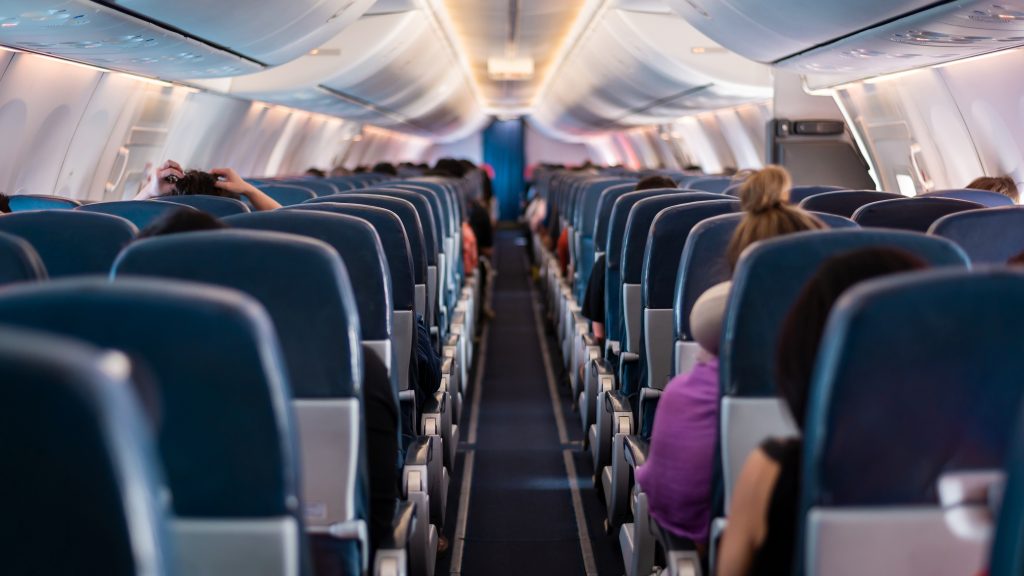
According to travel experts, not all economy seats are created equal, and it’s not just about being in the exit row or shelling out for premium economy. The secret? It’s all about which side of the plane you choose.
The Surprising Science Behind Seat Selection
Kate Pasola, a travel expert from the UK’s comparison website, Which?, has revealed a fascinating quirk of aircraft design: planes may look perfectly symmetrical from the outside, but inside, things are a bit more complicated.
Due to the way passengers board, how cargo is loaded, and the placement of certain equipment, the right-hand side of many planes, specifically seats labelled D, E, and F, often offers a smidge more legroom than their left-side counterparts (A, B, and C).
‘Our research shows that standard seats on the right-hand side of many planes (including Ryanair) can offer anywhere between an extra half-inch to an inch of legroom compared to those on the left,’ she said.
It might not sound like much, but if you’re tall or just value a bit of extra space, it can make a world of difference, especially on flights that last several hours.
How to Find the Best Seats
Of course, not every plane is built the same, and not every airline follows this pattern. That’s where a little research comes in handy. Pasola recommends using Google Flights to look up your flight number and find out exactly what type of aircraft you’ll be on. Once you know the model, you can check websites like SeatGuru or the airline’s own seat maps to see which seats offer the most space.
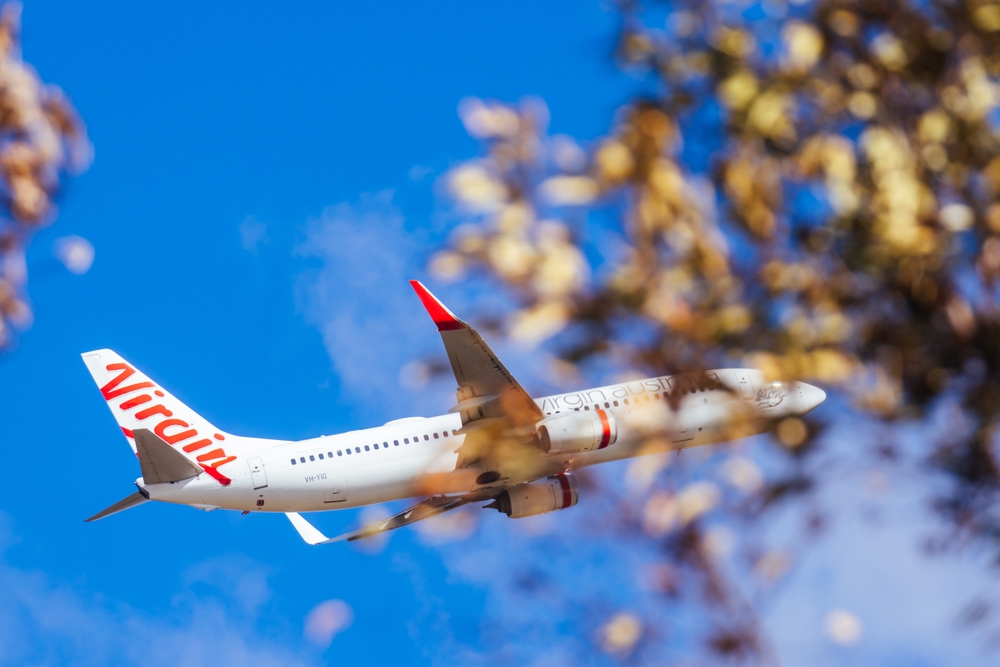
For example, Which? found that on Ryanair’s Boeing 737s, seats D, E, and F in rows 3-15 have that coveted extra half-inch of legroom. And here’s the good news for Aussies: both Qantas and Virgin Australia use Boeing 737s for many of their domestic and short-haul international flights. So, next time you’re booking, keep an eye out for those right-side seats!
Of course, legroom isn’t the only factor to consider. Vivien Therese Santiago, a veteran Philippine Airlines cabin crew member, has her own preferences.
For long-haul flights, she swears by the aisle seat for easy access and mobility, which means no more awkwardly climbing over your seatmates when nature calls! On shorter flights, she prefers the window seat for the view and a bit of peace and quiet.
But beware: not all ‘premium’ seats are worth the extra cash. One traveller, Jemima, learned this the hard way after splurging on a bulkhead seat, only to find herself stuck next to the toilets with immovable armrests and a constant stream of people queuing beside her. Sometimes, a regular seat further back can be the better (and cheaper) option.
Other Tips for a Comfier Flight
Check in early: The earlier you check in, the more seat options you’ll have. Set a reminder for when online check-in opens!
Consider exit rows: These often have more legroom, but may come with restrictions (like no under-seat storage during takeoff and landing).
Avoid seats near the toilets: Unless you want to be disturbed by foot traffic and the occasional whiff.
Bring your own comforts: A neck pillow, noise-cancelling headphones, and a good book can make even the tightest seat more bearable.
Key Takeaways
- Travel experts suggest that choosing a seat on the right-hand side of the plane (seats D, E or F) can sometimes give you a bit more legroom compared to the left, especially on some budget airlines.
- Comparing seat details and looking up the specific aircraft model for your flight (like on Google Flights) can help you score a seat with extra space, since some airlines, including Qantas and Virgin Australia’s 737s, offer slightly more legroom on certain seats.
- Preferences for the best seats can vary: aisle seats are considered better by some for long-haul flights due to easier access, while others prefer the window for short flights to enjoy the view.
- Spending extra money on ‘better’ or premium seats (like bulkhead seats) doesn’t always guarantee a more comfortable experience, as factors like immovable armrests and proximity to busy areas (like the bathrooms) may make them less desirable.
Have you ever scored a great seat using a clever trick, or been stuck in a spot you’d rather forget? Do you have your own tips for getting the best seat on the plane? We’d love to hear your stories and advice! Share your experiences in the comments below!