
If you’re a seasoned traveller—or even if you’ve only flown a handful of times—you probably know the drill: pack your bag just right, make sure your liquids are under 100ml, and double-check that your carry-on fits those ever-shrinking airline size restrictions.
But even the most organised among us can fall into a sneaky travel trap that could turn your smooth journey into a headache: storing your carry-on bag in the overhead bin behind your seat.
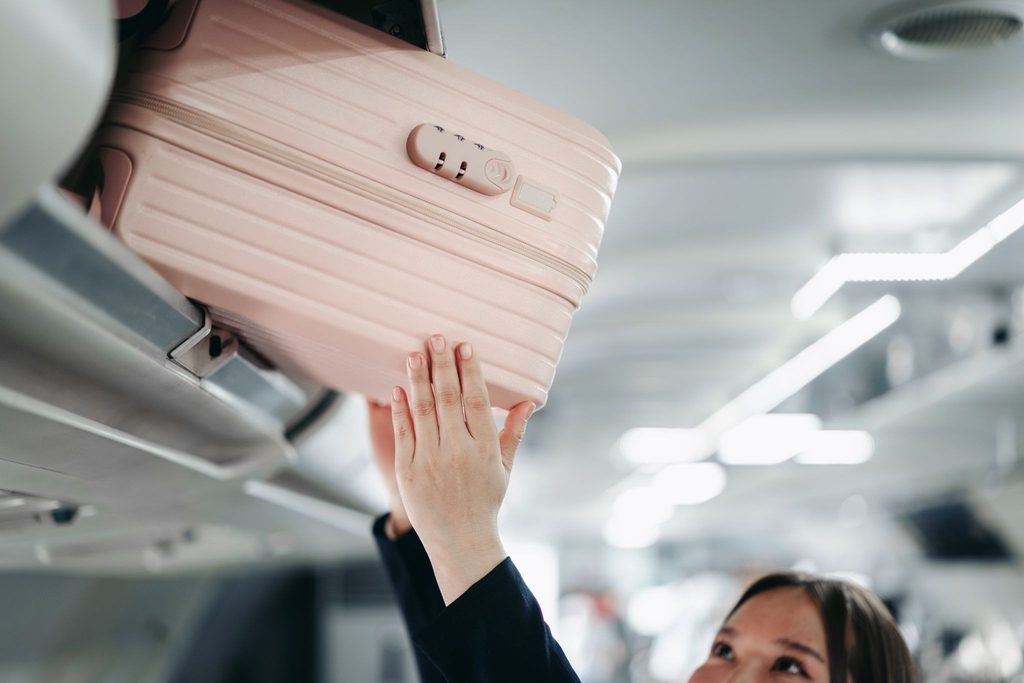
It might seem like a harmless move, especially when the bins above your row are already packed to the brim. But according to travel experts, this is one mistake you’ll want to avoid if you value a stress-free exit and the safety of your belongings.
Why Stowing Your Bag Behind You Is a Big No-No
Julian Kheel, founder and CEO of Points Path, puts it simply: ‘Storing your bag behind you often means you’ll be forced to wait for nearly every other passenger to deplane before you can reach it. That can turn what should be a swift exit into a slow, frustrating slog.’
We’ve all been there—standing in the aisle, craning your neck, waiting for the crowd to thin out so we can backtrack to our bags.
Worse still, some passengers try to swim upstream against the flow of people, causing a bottleneck and slowing down the entire plane’s disembarkation. Not exactly the best way to make friends on a long-haul flight!
It’s Not Just About Convenience—It’s About Security
Beyond the inconvenience, there’s a more serious risk: losing sight of your bag. Kheel warns, ‘If you can’t see your bag from your seat because it’s several rows away, you lose immediate awareness of it, making accidental mix-ups or even theft more likely.’
While theft on planes is rare, it does happen. And with so many people shuffling bags around, it’s all too easy for someone to grab the wrong one—accidentally or otherwise. Keeping your carry-on within sight and reach is the best way to ensure it arrives at your destination with you.
A Pain in the Neck (Literally)!
Sherry Peters, an international flight attendant and founder of Atlas + Wild, adds another practical reason to keep your bag close: your health. ‘Reaching backward or twisting around other people to grab a bag is awkward and strains muscles. Keeping it in front is simply safer, smoother, and less stressful for everyone.’
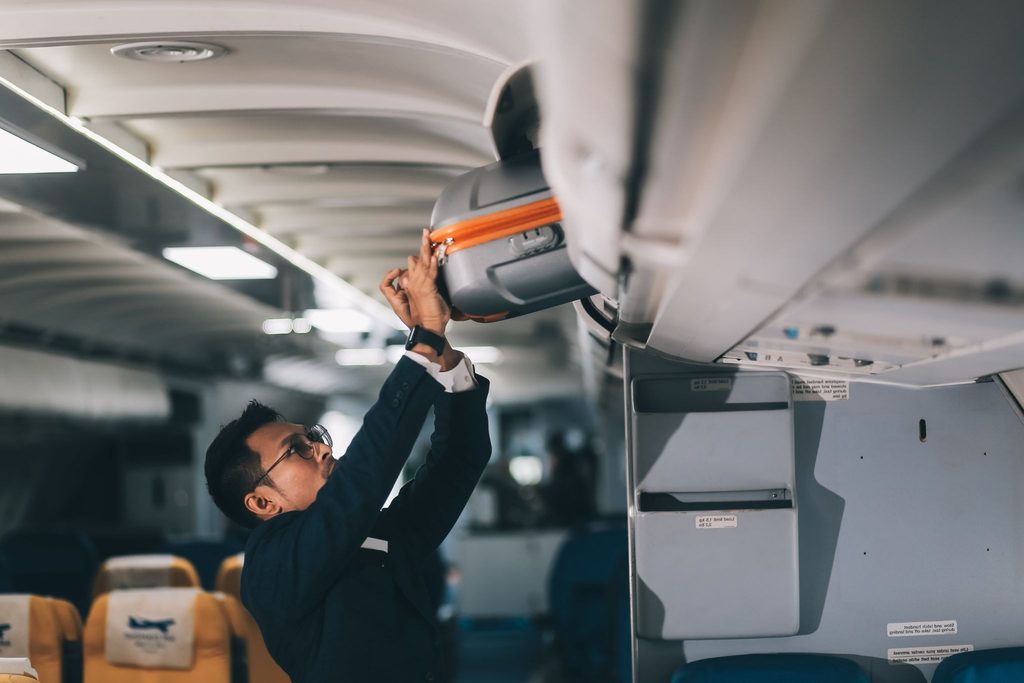
For those of us who aren’t as spry as we used to be, the last thing we need after a long flight is to wrench our back or shoulders trying to retrieve a bag from behind a row of seats.
Are There Any Exceptions?
Of course, sometimes you don’t have a choice. Gary Leff, travel specialist and expert, admits, ‘I’d do that before I would check it. I don’t want to wait interminably at baggage claim. And there’s a better chance it’ll get lost if you check it than if you store it in an overhead bin several rows behind your seat. But it is hardly optimal to do so.’
So, if the only available space is behind you, it’s still better than checking your bag, especially if you have a tight connection or valuables inside. But if you can, always aim to stow your bag in the bin above or in front of your seat.
What Should You Do If Overhead Space Is Tight?
If you find yourself boarding later and the bins above your seat are full, don’t panic. Kheel suggests, ‘Aim to put it somewhere in front of you, making it easier to grab it quickly on the way out.’ And don’t be shy—ask a flight attendant for help. They’re experts at rearranging bags and might be able to find a spot you missed.
Remember, overhead bin space is shared, so using the spot near your seat whenever possible is just good etiquette. You’re helping to maintain an orderly boarding and disembarking process, which benefits everyone on board.
Extra Tips for Savvy Travellers
- Board Early: If you’re worried about overhead space, try to board as early as your ticket allows. Some airlines offer priority boarding for seniors or those who need extra time—don’t hesitate to take advantage!
- Pack Light: The smaller your carry-on, the easier it is to find a spot for it. Consider a soft-sided bag that can be squeezed into tighter spaces.
- Keep Essentials Handy: Always keep medications, travel documents, and valuables in a smaller bag under the seat in front of you, just in case you’re separated from your main carry-on.
Key Takeaways
- Travel experts warn against storing your carry-on bag behind you on a plane, as it can delay your exit and make disembarking slower for everyone.
- Keeping your carry-on within sight reduces the risk of accidental mix-ups or theft, and is also safer and less physically awkward when retrieving your bag.
- If overhead space near your seat isn’t available, it’s recommended to stow your bag in a spot further in front rather than behind, or to seek help from a crew member to find a suitable spot.
- Although storing your bag behind you is better than checking it in, using the overhead locker closest to your seat is considered good etiquette and helps keep boarding and exiting the plane more organised.
We’d love to hear from you! Have you ever had to store your bag behind you? Did it cause any drama or delays? Or do you have your own tips for making the boarding and deplaning process smoother? Share your stories and advice in the comments below—your fellow members will thank you!
Safe travels, and may your next flight be smooth, swift, and stress-free!