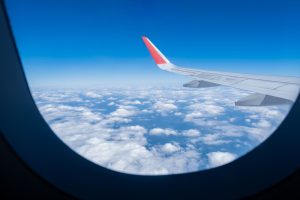
As Aussies, we love a good tropical escape—whether it’s the white sands of Fiji, the lush jungles of Bali, or a quick hop over to Queensland’s sun-drenched coast.
But before you start dreaming of cocktails by the pool, there’s one crucial detail that could make or break the start of your holiday: what you wear on the plane.

It turns out, your choice of travel outfit isn’t just about looking good for those airport selfies.
According to Fiji Airways pilot Captain Etika, many travellers make a classic mistake that leaves them feeling stiff, tired, and downright uncomfortable by the time they land.
Why Your Holiday Outfit Could Be Ruining Your Flight
Captain Etika, who’s ferried countless Aussies to their island getaways, says he often sees passengers board in shorts and singlets—perfect for the tropics, but not so much for the chilly cabin air.
‘Aircraft cabins are typically much cooler than people expect,’ he explains. ‘At cruising altitude, the outside temperature can sit around minus 50 degrees Celsius, and while the cabin is pressurised and climate-controlled, it’s still on the cooler side for comfort.’
So, while you might be ready to hit the beach as soon as you land, you could be in for a few hours of shivering and discomfort first.
And it’s not just about feeling cold—being underdressed can actually leave you feeling stiff and fatigued, making it harder to relax or get some much-needed shut-eye.
The Pilot-Approved Way to Dress for A Flight
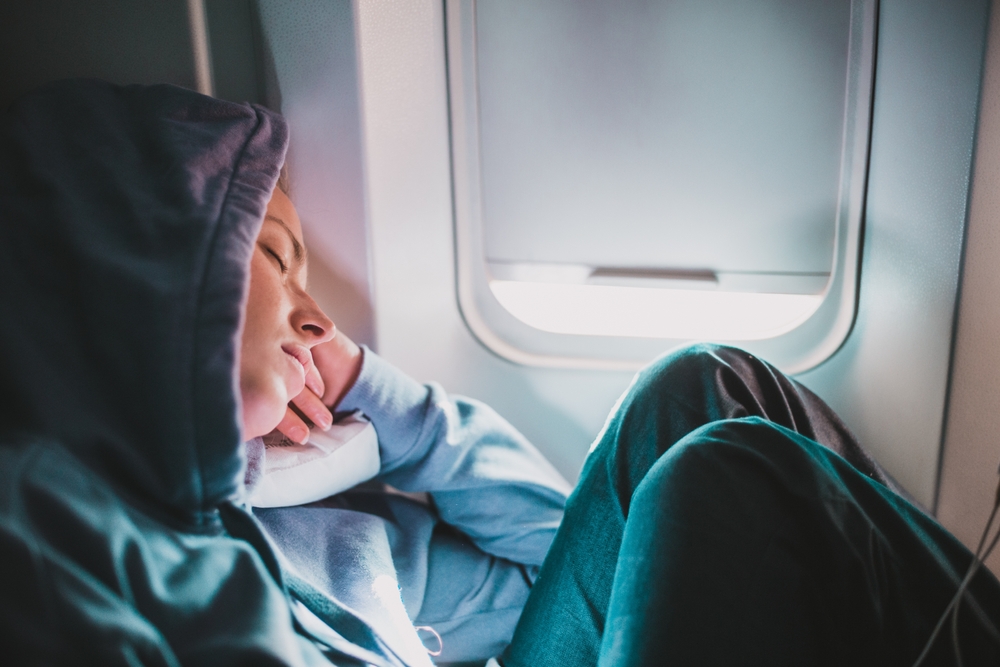
So, what’s the secret to arriving at your destination feeling fresh and ready to go? Captain Etika recommends dressing in layers. ‘Something easy to add or remove—a soft jumper, a scarf, or a light jacket—can make a long flight far more comfortable,’ he says.
Layering isn’t just about warmth; it’s about flexibility. Aeroplane cabins can fluctuate in temperature, and what feels fine at take-off might feel freezing a few hours later.
Having a few options on hand means you can adjust as needed, rather than toughing it out in a singlet or sweating in a heavy jumper.
‘Staying warm helps you relax, sleep better, and arrive feeling refreshed – which means you start your holiday or business trip in a much better state,’ he continued.
More Tips for a Comfortable Flight
Of course, staying warm is just one piece of the puzzle. Here are a few more tips to make your next flight as comfortable as possible:
1. Choose your seat wisely
If you value mobility and easy access to the aisle (especially important for those of us who like to stretch our legs or make frequent trips to the loo), opt for an aisle seat. Prefer uninterrupted rest and a place to lean? The window seat is your best friend. That small decision can make a big difference over several hours.
2. Stay hydrated
Cabin air is notoriously dry, which can leave you feeling tired and dehydrated. Drink water regularly throughout your flight, and try to limit caffeine and alcohol, as they can make dehydration worse. Bring a refillable water bottle and ask the crew to top it up for you.
3. Move around
Sitting still for long periods can lead to stiffness and even increase your risk of deep vein thrombosis (DVT), especially for older travellers. Get up and walk the aisle when you can, or do some gentle stretches in your seat. Even simple ankle circles and shoulder rolls can help keep your blood flowing.

4. Pack smart
Captain Etika swears by a hard-shell carry-on with four spinner wheels. ‘A hard case protects everything inside, whether it’s clothes, documents, or electronics, and it holds its shape well even when compartments get crowded. The four wheels make a big difference too—moving quickly through airports, especially during tight connections, is much easier when your suitcase glides.’
5. Don’t forget the little comforts
A neck pillow, eye mask, and noise-cancelling headphones can make a world of difference, especially on longer flights. And if you’re prone to cold feet, pack a pair of warm socks in your carry-on.
Don’t Forget Your Health
If you have any medical conditions, make sure you keep your medications in your carry-on and set reminders to take them as needed. And if you’re prone to stiffness or joint pain, try to get up and stretch or walk the aisle every couple of hours.
Key Takeaways
- Many Aussie travellers make the mistake of wearing shorts and singlets on planes, not realising that the cabin can be much cooler than expected.
- Dressing in layers – like bringing a soft jumper, scarf, or light jacket – can help you stay comfortable and avoid feeling stiff and fatigued during the flight.
- Choosing your seat wisely (aisle for easy access, window for uninterrupted rest) and staying hydrated are important for improved comfort and reducing jet lag.
- Investing in a hard-shell carry-on suitcase with four spinner wheels can make travelling through airports quicker and protect your belongings better.
Have you ever made a travel wardrobe mistake, or do you have your own tried-and-true tips for flying in comfort? Share your stories and advice in the comments below—we’d love to hear from you!