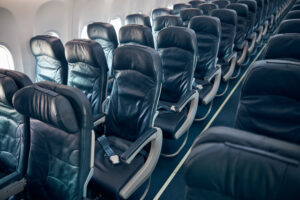
There’s nothing quite like the anticipation of settling into a plush seat at the luxurious end of the plane—whether it’s business class, premium economy, or even first class. The extra legroom, the attentive service, the glass of bubbly before takeoff… It’s a treat many of us save up for, especially when embarking on a long-haul journey or a special holiday.
But what happens when you arrive at the airport, boarding pass in hand, only to be told you’ll be sitting further back than you paid for?
While it’s not an everyday occurrence, involuntary downgrades do happen—and when they do, it can feel like the rug’s been pulled out from under you. For those who’ve splurged on a bit of comfort (or used precious points for an upgrade), being bumped down a class is more than just a financial blow. It can mean a sleepless flight, missed accessibility needs, or even a ruined holiday.
So, why do airlines downgrade passengers, and what are your rights if it happens to you? Let’s take a closer look at the reasons behind these unwelcome surprises, and—most importantly—what you can do to protect yourself.
Why Do Downgrades Happen?
There are a surprising number of reasons you might find yourself moved from your booked seat to a less desirable one. Here are the most common culprits:
1. Overbooking
Airlines are notorious for selling more tickets than there are seats on the plane. It’s a calculated gamble—they know some people won’t show up, so they overbook to keep flights full and profits up. But if everyone does turn up, someone has to give up their seat.
Sometimes, that means being bumped to a later flight, but it can also mean being moved from business to economy, or from premium economy to standard.
2. Aircraft Changes
Planes are complex beasts, and sometimes the aircraft scheduled for your flight isn’t available due to maintenance, staffing issues, or operational hiccups. The replacement plane might have fewer premium seats or a different cabin layout, leaving the airline with no choice but to shuffle passengers around.
Even if you booked months in advance, you could find yourself downgraded if your seat simply doesn’t exist on the new plane.
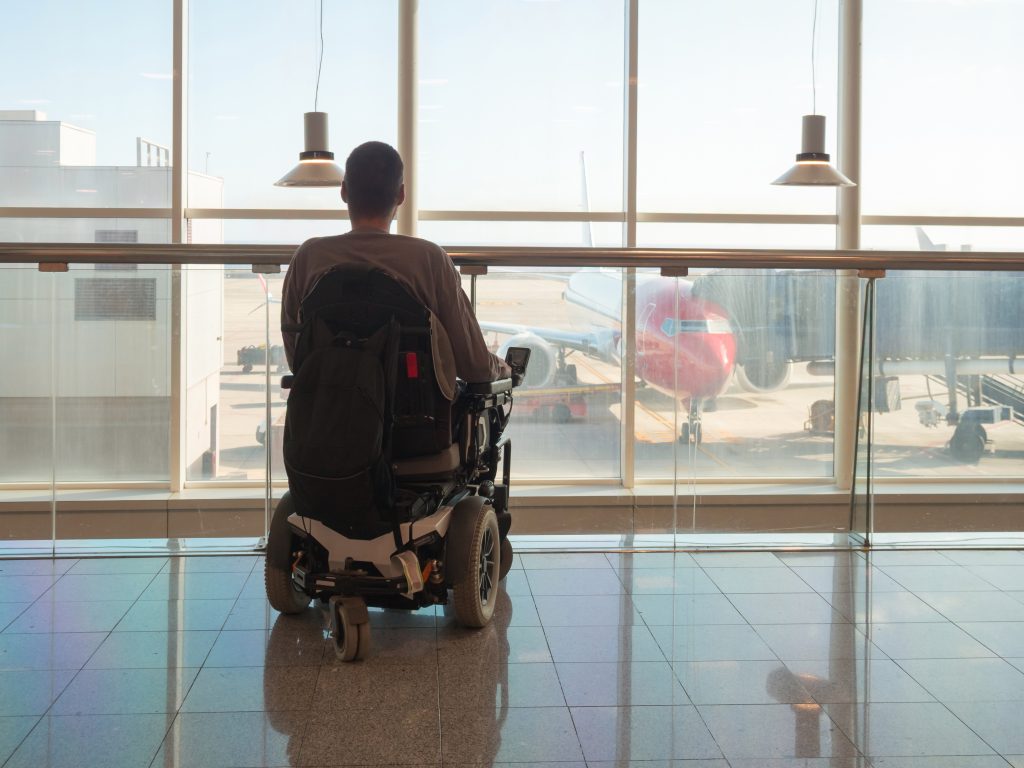
3. Accessibility and Disability Issues
Sadly, there have been cases where passengers with disabilities have been downgraded because the airline couldn’t accommodate their needs in the premium cabin.
This is not only frustrating but can be downright distressing, especially on long-haul flights where comfort and accessibility are essential. Airlines are supposed to do better, but mistakes and oversights still happen.
4. Operational Requirements
Sometimes, airlines need to reallocate seats for reasons like crew rest areas, staff repositioning, or safety regulations.
These operational needs can trump your booking, especially on long-haul flights where crew must have designated rest spaces.
5. Broken Seats
Premium seats are packed with electronics and moving parts. If your seat’s recline mechanism, entertainment system, or even the seatbelt is broken and can’t be fixed before takeoff, you might be moved to a lower class.
With no spare premium seats available, there’s little the airline can do except apologise and (hopefully) compensate you.
Anthony Harvey, from Victoria, Australia, said he and his wife had scanned their boarding passes at the gate when they were informed one of the two seats they had booked could not be used.
As there were no other business class seats available on the flight, Anthony was forced to sit in economy, and waited more than seven weeks for a refund from the airline.
6. Missed Connections and Late Check-In
If you miss a connecting flight due to delays, you’ll usually be rebooked on the next available service. But if the premium cabin is full, you might be placed in economy. Similarly, if you check in late for an overbooked flight, you could be first in line for a downgrade.
Passengers who check in late may also be asked to downgrade if a flight is oversold.

7. Weight and Balance
This one’s rare, but on smaller planes or heavily loaded flights, the airline might need to move passengers around to ensure the aircraft is balanced for takeoff and landing. Sometimes, this means downgrading passengers to redistribute weight.
8. Family and Group Bookings
If you’re travelling as a group or family, and there aren’t enough seats together in your booked class, the airline might move you all to a lower class to keep you together. Not ideal, but it does happen.
What Are Your Rights If You’re Downgraded?
Here’s where it pays to know your rights—literally! In Australia (and under many international regulations), you’re entitled to compensation if you’re involuntarily downgraded.
- Partial Refund: Airlines must refund a portion of your ticket price for the affected leg of your journey. This can range from 30 per cent to 75 per cent of the fare, depending on the distance and the class difference.
- No Excuses: Unlike delays or cancellations, airlines can’t wriggle out of this by blaming weather or ‘extraordinary circumstances’. If you’re downgraded, you’re owed compensation.
- Accessibility Needs: If you have specific accessibility requirements, make sure these are noted in your booking. If you’re downgraded and your needs aren’t met, you may have grounds for further complaint or compensation.
How to handle a downgrade: Step-by-step
- Stay Calm and Polite: It’s frustrating, but the gate agent or cabin crew didn’t make the decision. Being courteous can sometimes help you negotiate a better outcome.
- Ask for Details: Find out exactly why you’re being downgraded and what compensation is being offered. Sometimes, airlines will offer travel vouchers, points, or upgrades on future flights.
- Document Everything: Keep your boarding passes, take photos of your new seat, and save all correspondence. This will help if you need to make a claim later.
- Request Written Confirmation: Ask the airline to confirm the downgrade and compensation in writing.
- Claim Your Refund: Contact the airline’s customer service as soon as possible. If you don’t get a satisfactory response, escalate your claim through an independent dispute resolution service or the relevant aviation authority.
- Travel Insurance: Check if your travel insurance covers involuntary downgrades. Some policies do, and you may be able to claim additional compensation.
Final thoughts: Is It Worth Booking Premium Seats?
For many of us, a bit of extra comfort on a long flight is worth every penny (or point). But as with all travel, there are no guarantees. If you do find yourself downgraded, remember you have rights—and don’t be afraid to stand up for them.
Key Takeaways
- Passengers can be involuntarily downgraded from their booked cabin class due to reasons like overbooking, aircraft changes, broken seats, operational requirements, missed connections, late check-in, lack of disabled access, and aircraft weight and balance issues.
- You are entitled to compensation if you are involuntarily downgraded to a lower cabin class on a flight in Australia. Major airlines like Qantas and Virgin Australia offer partial refunds for the difference in fare, with Qantas offering a 75 per cent refund of the ticketed coupon for involuntary downgrades.
- Passengers should document the downgrade with photos, boarding passes, and all communication, as evidence is crucial for claiming compensation from airlines.
- Acting quickly and knowing your rights helps ensure you get the compensation you’re entitled to, and if the airline refuses or ignores your claim, you can escalate the matter through independent dispute resolution services.
Have you ever been downgraded on a flight? Did you get fair compensation, or were you left feeling short-changed? Share your stories and tips in the comments below—your experience could help a fellow traveller avoid a nasty surprise on their next trip!