
Every year, thousands of bags are left behind at Australian airports, and not all of them are reunited with their owners. From suitcases abandoned after missed connections to boxes never collected from baggage services, the volume of unclaimed items continues to grow. But rather than gathering dust in storage rooms, many of these lost belongings are finding a second life.
So, if you’ve ever wondered what happens to lost luggage that’s never claimed, the answer might surprise you, and could even inspire you to keep a closer eye on your own carry-on next time you travel.
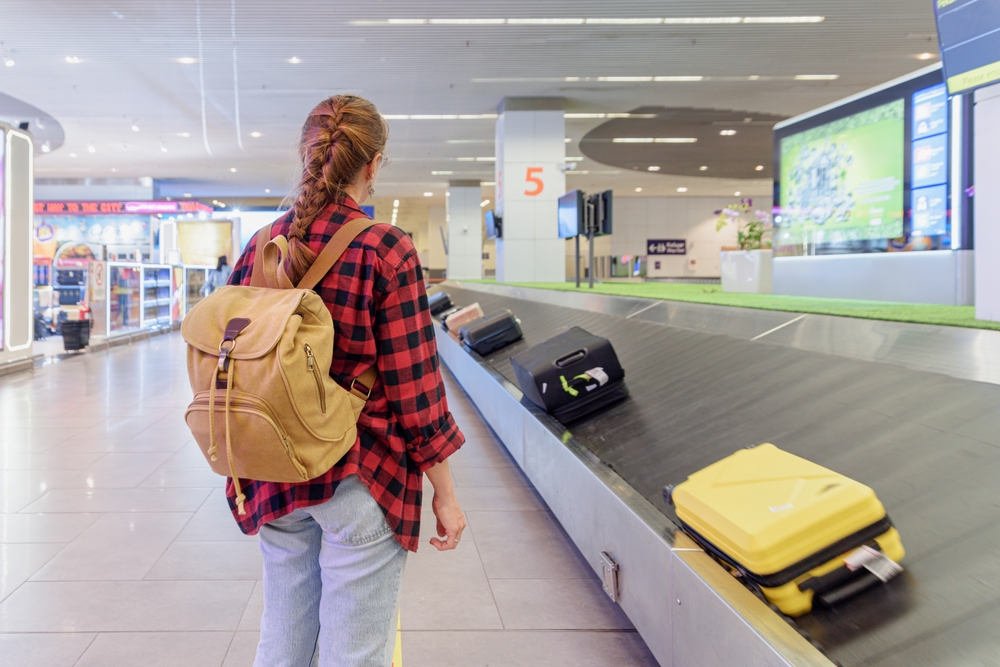
As the summer holidays roll around and Australians dust off their suitcases for another season of travel, airports across the country are bracing for more than just bustling terminals and long security lines. Behind the scenes, a fascinating and surprisingly charitable process is gearing up: the annual lost luggage auctions.
Across the country, airports regularly hold lost property auctions, offering members of the public the chance to bid on everything from luggage and electronics to household items and, occasionally, valuable surprises. The events attract bargain hunters, curious onlookers and seasoned resellers alike, all eager to see what turns up.
From Lost to Found (and Sometimes to Auction!)
Every year, tens of thousands of items are left behind at Australia’s busiest airports. While some are quickly reunited with their owners, many more end up in a fascinating afterlife: the airport lost property auction.
Brisbane, Sydney, and Melbourne airports all hold regular auctions, sending hundreds of unclaimed treasures under the hammer and raising thousands of dollars for charity in the process.
According to Peter Doherty, spokesperson for Brisbane Airport, even the most meticulous jet-setters can fall victim to what he calls ‘airport brain’.
‘When you’re juggling passports, boarding passes, and family plans, it’s easy to leave something behind or decide to leave a bag that is too heavy for carry-on,’ he shared.
Mr Doherty also said that luggage and size restrictions play a huge role in abandoned items. ‘Travellers often realise their bags are overweight, so they leave behind that set of golf clubs, computer monitor or surfboard,’ he continued.
Charity Gets a Boost
Recent auctions at Brisbane Airport have included everything from laptops, tablets, and drones to musical instruments, sewing machines, and even a Bulgari 18-carat gold diamond necklace valued at $11,000 (which started bidding at just $1!). Surfboards, golf clubs, prams, and even vacuum cleaners have also found their way to the auction block.
It’s not just about clearing out the lost property room. These auctions raise serious money for good causes. Sydney Airport’s annual lost property auction raised more than $250,000 for charity in 2025 alone.
Melbourne Airport, meanwhile, auctions off about 1,000 items each month, generating tens of thousands of dollars a year for local community groups.
How Do Airports Handle Lost and Forgotten Items
With more than 40 million passengers passing through Sydney Airport each year, it’s no surprise that hundreds of items are handed in daily. The airport sees around 120,000 people passing through every day, so they employ a dedicated team of five lost property workers who catalogue, store, and do their best to reunite items with their owners.
Sydney Airport spokeswoman Liz Seatter said more than 7,000 items were returned to their owners last year, and she also shared some heartwarming stories: ‘A woman lost a necklace that belonged to her daughter—she wanted to take a piece of her daughter with her overseas. The team searched, and a few days later, it was handed in and returned to her. Another woman lost a single costume jewellery earring that was important to her, and the team managed to find that, too.’
But not every story has a happy ending. Leigh Richards, for example, left his iPad on a plane at Sydney Airport. Despite using the Find My app to track it to the terminal, he was unable to retrieve it.
‘It was one of the first times I was travelling alone with my daughter, who was about five at the time, and we were on a red-eye flight. Everything happened in a bit of a blur — we got off the plane, packed up, and gathered all of Nora’s things that she’d scattered around the seats,’ Mr Richards claimed.
He continued: ‘I showed them the map, and they told me it was in one of the airport hangars. I couldn’t get airside to check it myself, and they couldn’t send anyone to retrieve it, so I was stuck.’
A Global Phenomenon And a Billion-Dollar Problem
It’s a frustrating experience, but lost luggage isn’t just an Australian issue; it’s a global headache. According to IT provider SITA, mishandled baggage costs airlines around $5 billion every year. While two-thirds of lost bags are returned within 48 hours, millions of items remain unclaimed worldwide.
In the United States, the phenomenon has even spawned a retail empire. The Unclaimed Baggage store in Alabama buys up abandoned airline luggage, cleans and repairs the contents, and sells them to the public. Their finds range from the bizarre (a freeze-dried chicken foot) to the breathtaking (a diamond ring worth $60,000).
‘Left-behind luggage gives us a snapshot of passengers’ lives,’ says Unclaimed Baggage spokeswoman Sonni Hood. ‘It connects those snapshots into a bigger picture, capturing unique insights into how we move, what we value most, and how packing habits evolve over time.’
How to Avoid Losing Your Luggage (and What to Do If You Do)
If you do find yourself missing an item after a trip, don’t panic. Here’s what you should do:
- Double-check before you leave: Always do a final sweep of your seat, the overhead locker, and the area around you before disembarking.
- Label everything: Make sure your name and contact details are on all your bags and valuable items.
- Keep valuables close: If possible, keep important items like electronics, jewellery, and medication in your carry-on.
- Act fast: If you realise you’ve left something behind, contact the airport’s lost property office or your airline as soon as possible. The sooner you act, the better your chances of recovery.
- Be specific: Provide a detailed description, the time and place you lost the item, and any photos you have.
- Check your insurance: Some travel insurance policies cover lost or stolen items, but be sure to read the fine print. Many won’t cover items left unattended.
Related reading: There is a way to make sure you’re not left out of pocket when the airline loses your bags, and it starts with this little-known rule.
Could You Score a Bargain?
If you’re feeling lucky (and a bit adventurous), keep an eye out for your local airport’s next lost property auction. You might just snag a high-end gadget, a designer handbag, or even a sparkling piece of jewellery for a fraction of its value, all while supporting a good cause!
Key Takeaways
- Australian airports regularly auction off unclaimed lost property each year, with items ranging from laptops and jewellery to surfboards and musical instruments, raising thousands of dollars for charity and community groups.
- Many travellers accidentally leave belongings behind due to strict luggage size and weight limits or simply because of the chaos of travel, with ‘airport brain’ cited as a common reason for forgotten items.
- Dedicated lost property teams at major airports like Sydney work to reunite lost items with owners, successfully returning thousands each year, though some valuables are never recovered or end up being auctioned.
- Globally, mishandled and lost luggage costs airlines billions annually, and while some bags are recovered quickly, many remain unclaimed and are eventually sold, so travellers are urged to act fast, provide detailed information to lost property offices, and to check insurance policies for coverage on unattended items.
We’d love to hear your stories! Have you ever left something behind on a flight or in the terminal? Did you manage to get it back, or did it end up in the great airport auction in the sky? Or maybe you’ve scored a bargain at one of these auctions yourself! Share your experiences in the comments below, and let’s swap some travel tales.