If you’ve ever booked a flight and thought, ‘Priority boarding? That means I’ll be first on the plane, right?’ Well, you might want to buckle your seatbelt.
The world of airline travel is full of crafty wording and confusing policies that can leave even the most seasoned jet-setter scratching their head (or, worse, reaching for their wallet at the departure gate).
Let’s face it: air travel isn’t what it used to be. Gone are the days when you could rock up to the airport with a suitcase, a smile, and a paper ticket, and expect a smooth journey. These days, airlines—especially budget carriers—have turned the fine print into an art form, and it’s costing travellers more than just a bit of patience.
The Baggage Blunder: One Mum’s Costly Lesson
Take the recent case of Luana Botas, a tourist from Birmingham, who found herself £55 (around $104 AUD) lighter after a Ryanair staff member at Budapest airport decided her daughter’s small, hard-shell case was just a tad too big. The kicker? The same bag had breezed through check-in on the outbound flight without so much as a sideways glance.
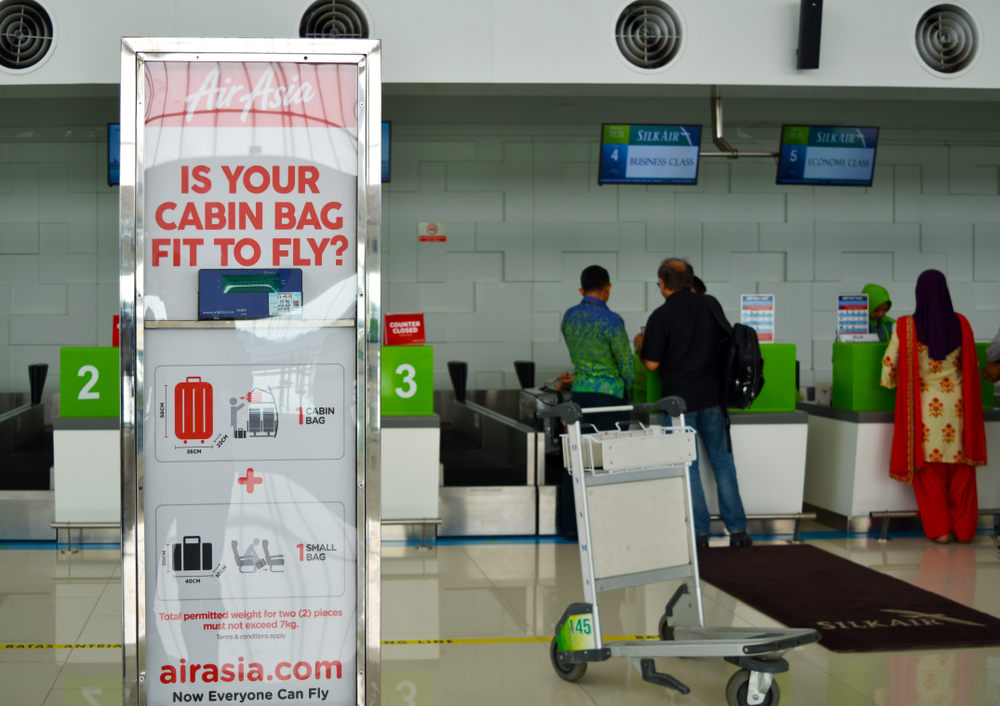
Luana’s story is all too familiar for many of us. She’d checked Ryanair’s website, which states that children aged 2–11 can bring a Trunki or a case of similar measurements—even though these often exceed the airline’s strict 40 x 30 x 20 cm limit. Her daughter’s case was 48 x 26 x 33 cm, and while she hoped the ‘Trunki clause’ would save her, the Budapest staff weren’t having it.
It’s a classic example of how inconsistent enforcement and ambiguous wording can catch travellers out.
Why ‘Priority’ Isn’t Always What You Think
And it’s not just baggage rules that are a minefield. The term ‘priority’ is thrown around by airlines like confetti, but what it actually means can vary wildly. Sometimes it means you’ll board before the masses; other times, it just means you get to bring a slightly bigger bag—or, in some cases, it’s little more than a marketing gimmick.
Andrew Harrison-Chinn from travel platform Dragonpass warns: ‘Terms like ‘small bag’, ‘basic’ or ‘priority’ sound straightforward, but they vary significantly between airlines in terms of size, weight and what you’re entitled to at the airport.’
So, if you’re picturing yourself striding onto the plane ahead of the crowd, think again. You might just be first in line for a surprise fee.
The Devil’s in the Details: Other Sneaky Extras
It’s not just baggage. Harrison-Chinn points out that airport check-in, bag drop, seat selection, and even travel insurance can be pre-selected or come with hidden fees if you’re not careful. Sometimes, failing to check in online can result in a hefty charge at the airport.
The Civil Aviation Authority (CAA) advises: ‘Luggage allowance will vary depending on where a passenger is travelling to, the airline they are travelling with and the class they are travelling in. Before travelling, we advise passengers to familiarise themselves with their airline’s baggage allowance to avoid unexpected fees.’
How to Outsmart the System
Here are our top tips for avoiding nasty surprises:
- Read the Fine Print—Twice: Don’t rely on headlines or bold print. Dig into the details of what’s included in your fare.
- Measure Your Bags: Don’t eyeball it—get out the tape measure and check your bag’s dimensions against the airline’s rules.
- Book Extras Upfront: If you know you’ll need extra baggage or want to select your seat, pay for it when you book. It’s almost always cheaper than leaving it until later.
- Check-In Online: Avoid airport check-in fees by completing this step at home.
- Review Your Booking: Before you hit ‘pay’, check for any pre-selected extras you don’t need.
The Real Cost of ‘Cheap’ Flights
It’s easy to be lured in by a bargain fare, but as Harrison-Chinn says, ‘The real risk isn’t one large fee, it’s the accumulation of smaller conditions across the journey—from baggage rules and airport processes to insurance and onward transfer costs—that can quickly inflate the overall price.’
So, next time you’re booking a flight, take a moment to add up the true cost. Sometimes, that ‘cheap’ ticket isn’t such a bargain after all.
Key Takeaways
- Airline baggage rules and terminology can vary greatly between carriers, meaning terms like ‘small bag’, ‘priority’, or ‘cabin baggage’ might not mean the same thing on different airlines and can easily catch travellers out.
- Travellers have been stung with hefty charges at the airport due to unclear or inconsistent carry-on baggage policies, as highlighted by a Ryanair passenger who was unexpectedly charged £55 (around $104 AUD) for her daughter’s slightly oversized bag.
- Experts and the Civil Aviation Authority recommend passengers always read the fine print, double-check their airline’s specific baggage size and weight allowances, and review all booking extras to avoid unexpected fees or extra charges.
- Building the genuine cost of a trip upfront—including baggage fees, seat selection, and possible airport services—is vital, as relying on the basic ticket price may underestimate the total expense due to numerous add-ons and variable rules.
Have you ever been caught out by sneaky airline wording or unexpected fees? Do you have any tips for fellow travellers to avoid these traps? Share your stories and advice in the comments below—we’d love to hear from you! Safe travels, and may your next flight be free of surprises (except maybe a complimentary snack).