If you’ve ever found yourself dashing through an airport, heart pounding, suitcase wheels squeaking, and muttering a silent prayer that your plane will still be at the gate, you’re not alone. It’s a scenario that’s played out for countless travellers—especially lately, with new travel rules and airport chaos causing more missed flights than ever.
With Europe’s new Entry and Exit System (EES) now in full swing since April 2026, many Aussies and other international travellers have found themselves stuck in snaking queues, watching the minutes tick by and wondering: ‘Will the plane wait for me?’
The answer, as you might expect, is a bit more complicated than a simple yes or no.
Let’s take a closer look at what really happens behind the scenes when you’re running late for a flight, and what factors airlines consider before deciding whether to hold the plane or leave you behind.
Why Are So Many People Missing Flights Lately?
First, a bit of context. The EES, which has been gradually rolled out since late 2025, is designed to tighten border security across Europe. While the intentions are good, the reality has been less than ideal for travellers.
Long queues, new biometric checks, and unfamiliar procedures have led to significant delays. In one recent incident, more than 120 EasyJet passengers were left stranded at Milan Linate Airport after missing their flight to Manchester due to these very delays.
It’s not just Europe, either. With increased security, staff shortages, and more people travelling post-pandemic, airports worldwide are seeing more missed connections and frantic dashes to the gate.
Will the Plane Wait for You? The Real Factors at Play
According to Tash Heap, Lecturer in Aviation at the University of Southern Queensland, there’s a slightly better chance the airline will wait if you’re connecting from one of their own flights. ‘This is because the airline knows about you. You are in their system,’ she explains.
If your first flight was delayed and you’re dashing to make a connection with the same airline, they’re more likely to be aware of your predicament.
But even then, don’t count on it. Airlines have a lot to juggle, and your needs are just one piece of a much larger puzzle.
‘Airlines are in the business of moving passengers, and their needs are considered,’ she says.
‘However, there are many other competing needs, not the least of which are all the other passengers the airline is trying to serve on that day.’
What Factors Do Airlines Consider?
Let’s break down the main things airlines weigh up before deciding whether to hold a flight:
1. The Other Passengers: It’s not just about you—there could be hundreds of other passengers on board, all eager to get to their destination on time. Many of them might have their own connections to make. Delaying a flight for a handful of latecomers could cause a domino effect, leading to even more missed connections and unhappy travellers.
2. Airport Slot Times: Major airports run on tight schedules, with planes landing and taking off just minutes apart. Airlines are assigned specific ‘slot times’ for departures and arrivals. Miss your slot, and you might be stuck waiting for the next available window—which could be hours away. This not only delays your flight but can also disrupt the entire day’s schedule for the airline.
3. Aircraft Scheduling: Airlines want their planes in the air as much as possible. A delay on one flight can throw off the schedule for that aircraft’s next journey. This is especially true for short-haul flights, where turnaround times can be as little as 30 minutes. If your flight is late, the next one will be too, and so on.
On the flip side, for regional routes in Australia—where flights to certain destinations might only run a couple of times a week—airlines might be more willing to wait, especially if only a small number of passengers are affected.
4. Crew Duty Limits: Pilots and cabin crew have strict limits on how long they can work, to ensure safety and manage fatigue. If a flight is delayed, the crew’s duty hours keep ticking down. If they run out of legal working hours, the flight can’t take off at all, leading to cancellations and even bigger headaches.
5. Airport Curfews: Some airports, like Sydney, have strict curfews. If a delay means the plane would land after the airport closes, the airline could face hefty fines—or be forced to divert to another airport altogether.
6. Regulatory and Consumer Obligations: In regions like the EU, airlines can be fined for delayed or cancelled flights. They have to weigh up the cost of holding the plane for a few passengers against the potential penalties and the impact on their wider network.
What About Travel Insurance and Compensation?
If you miss your flight due to circumstances beyond your control—like a delayed connecting flight or a security queue that moves at a snail’s pace—your airline might rebook you on the next available service, especially if all your flights are on the same ticket.
But if you’re late because you overslept or got distracted in the duty-free zone, you’re probably on your own.
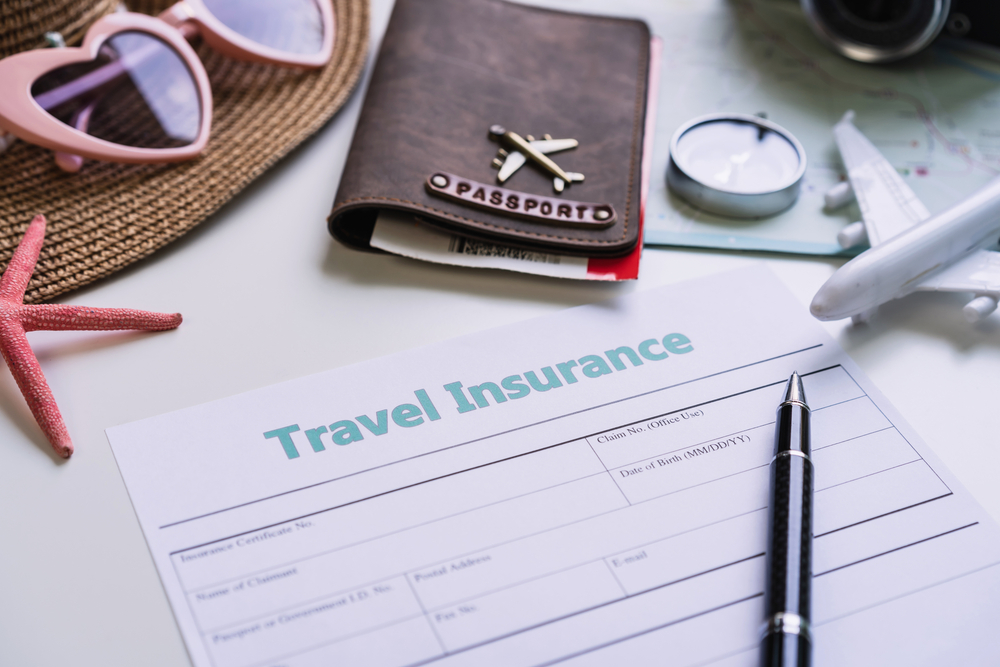
Travel insurance can sometimes help, but it’s important to read the fine print. Many policies only cover missed connections if the delay was caused by something outside your control, and you did everything you reasonably could to make your flight.
What Should You Do If You’re Running Late?
If you find yourself stuck in a queue or delayed by security, don’t panic—but do act quickly. Here are some tips:
- Let the airline know: If you’re already at the airport, contact ground staff or use the airline’s app to alert them.
- Travel insurance: Make sure you have comprehensive travel insurance that covers missed connections and delays.
- Book longer layovers: When booking connecting flights, allow plenty of time between flights—especially if you’re travelling through busy or unfamiliar airports.
- Know your rights: In some cases, you may be entitled to compensation or rebooking if delays are outside your control.
Key Takeaways
- Airlines are more likely to hold a flight for passengers connecting from one of their own flights, as they’re already in the system, but they need to balance this with the needs of all other passengers onboard.
- Strict slot times at busy airports mean a delayed departure could see the airline miss its window, causing a knock-on effect of further delays across its entire network.
- Pilots and cabin crew are subject to legal duty limits, so any delay can risk them exceeding their allowed working hours, potentially grounding the flight altogether.
- Airport curfews and regional regulations (such as EU fines for delays) are key factors, as airlines could face substantial penalties if flights operate outside allowed hours or are significantly delayed.
We know many of our members have travelled far and wide—sometimes with a few airport sprints along the way! Have you ever had a plane wait for you, or were you left waving at the runway? What’s your best tip for making tight connections?
Share your stories and advice in the comments below—your experience could help a fellow traveller avoid a travel disaster!