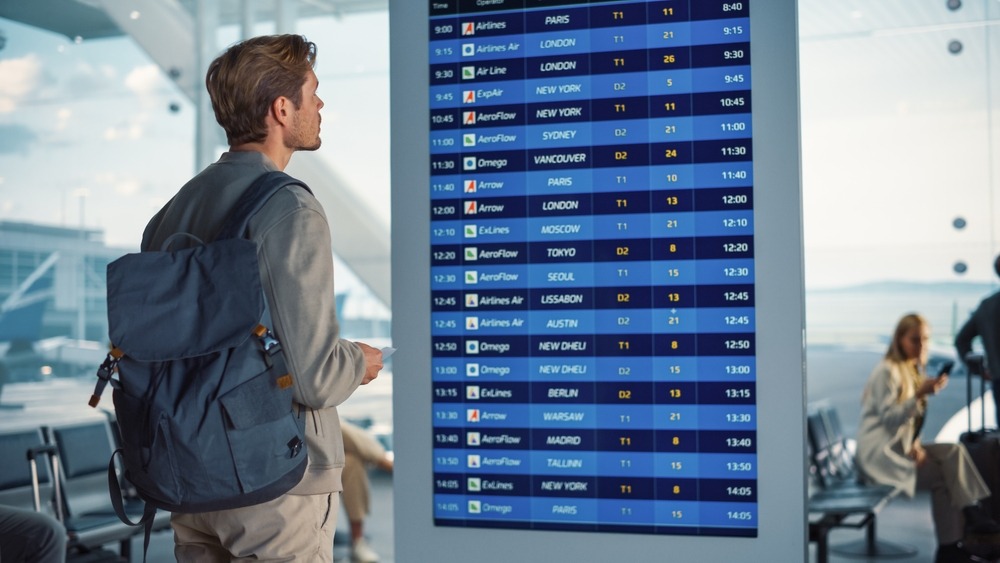
Flight delays: they’re the unwelcome travel companion none of us invites, but most of us have met at least once. Whether you’re jetting off to see the grandkids, heading on a long-awaited cruise, or simply trying to get home after a holiday, there’s nothing quite as frustrating as watching the departure board flicker from ‘On Time’ to ‘Delayed’.
And, as many seasoned Aussie travellers know, sometimes those delays can turn a quick trip into an overnight saga in a foreign airport lounge.
But just how common are these delays, and what can you do to protect yourself (and your wallet) when they strike? Let’s dive into the facts, the hotspots for holdups, and—most importantly—your best strategies for staying one step ahead.
How Common Are Flight Delays for Aussies?
Between 2023 and 2025, Southern Cross Travel Insurance (SCTI) processed over 4,000 delay-related claims from Australian travellers, paying out more than $5 million. That’s a lot of missed connections, unexpected hotel stays, and airport sandwiches! While some delays are unavoidable, knowing where and when they’re most likely to happen can help you plan smarter.
Where Are You Most Likely to Get Delayed?
While delays can happen anywhere, some airports and regions are notorious for them. Major international hubs—think London Heathrow, Los Angeles, and Singapore Changi—see thousands of flights a day, making them more susceptible to knock-on effects from weather, staffing shortages, or technical hiccups.
Closer to home, Sydney and Melbourne airports have also seen their fair share of disruptions, especially during peak travel periods or when wild weather rolls in.
Budget airlines and smaller regional airports can also be more vulnerable to delays, as they often have fewer backup planes and staff on hand. If you’re connecting through multiple airports or flying with different airlines, your risk of a missed connection increases.
What Should You Do If Your Flight Is Delayed?
First things first: don’t panic! Here’s your step-by-step action plan:
- Speak to Airline Staff: Head straight to the airline desk or gate staff. Ask what support they can offer—alternate flights, meal vouchers, or even accommodation if the delay is significant. If you’re at risk of missing a connecting flight, cruise, or important event, let them know. Sometimes, this can bump you up the priority list.
- Contact Your Travel Insurer: The sooner you notify your insurer, the smoother your claim process will be. Carole Tokody, CEO of SCTI, stresses the importance of documentation: ‘Keep written confirmation of the delay or cancellation, and hold on to all receipts for any additional expenses.’
- Gather Your Paperwork: Ask for a written flight disruption statement (sometimes called a Flight Delay/Cancellation Certificate). Keep all boarding passes, and screenshot any notifications from the airline app. If you pay for meals, taxis, or hotels, keep itemised tax receipts.
Missed Your Connection? Here’s What Happens Next
- Single Itinerary (All Flights on One Ticket): If your journey (e.g., Sydney to London via Singapore) is booked on a single ticket, the airline is legally obliged to get you to your final destination. They’ll rebook you on the next available flight at no extra cost, and may provide meal vouchers or accommodation if the wait is long.
- Separate Bookings (Different Airlines/Tickets): If you’ve booked separate flights (say, a budget airline to Perth, then a Qantas flight to London), you’re on your own if you miss the connection. You’ll likely need to pay a change fee or buy a new ticket. This is where travel insurance can be a lifesaver.
When Are You Entitled to Compensation?
Airline’s Fault (Mechanical/Staffing Issues): Qantas & Virgin Australia: 2+ hour domestic delay = meal vouchers – Jetstar: 3+ hour delay = meal vouchers – Overnight delays (away from home): airline usually covers hotel, transfers, and meals
Not the Airline’s Fault (Weather/Airport Issues): Compensation is rare. This is when travel insurance steps in.
What Does Travel Insurance Actually Cover?
Travel insurance can cover more than just airport snacks. Depending on your policy, you might be reimbursed for: – Accommodation and meals during delays – Transport expenses (like taxis to and from hotels) – Prepaid tours or excursions you miss due to delays
But remember: you can’t claim for everything. Always check with your airline or hotel first for refunds or compensation—insurance is your backup, not your first port of call.
What to Look for in a Travel Insurance Policy
- Not all policies are created equal. Before you buy, check:
- Does it cover travel interruption, delays, or missed connections?
- What are the limits, waiting periods, exclusions, or conditions?
- Are additional accommodation, meals, and transport covered?
- How easy is it to claim?
Key Takeaways
- Flight delays are common for Aussie travellers, with Southern Cross Travel Insurance recording over 4,000 delay-related claims between 2023 and 2025, amounting to more than $5 million paid out.
- If your flight is delayed, speak to airline staff first for possible support such as alternate flights, meal vouchers, or accommodation, then contact your travel insurer as soon as possible and keep all relevant documentation and receipts.
- Compensation from airlines varies: for delays over 2 hours (Qantas/Virgin) or 3 hours (Jetstar) caused by the airline, you may get meal vouchers; overnight delays may include hotel, meals, and transfers, but weather-related delays generally aren’t compensated by airlines.
- Travel insurance can cover extra expenses like accommodation, meals, and pre-paid tours if your flights are delayed or cancelled, but it’s important to check your policy for coverage limits, exclusions, and to always collect official delay documentation and itemised receipts for claims.
We know many of our members are seasoned travellers with stories to tell! Have you ever been stranded overnight, missed a cruise, or had to fork out for a last-minute hotel? What’s your best tip for surviving airport delays? Share your experiences and advice in the comments below—your wisdom could help a fellow member avoid travel headaches on their next adventure!