Picture this: you’ve finally settled into your seat for a long-haul flight, eye mask at the ready, neck pillow fluffed, and you’re looking forward to a few hours of peace above the clouds. The cabin lights dim, signalling it’s time for a bit of shut-eye.
But just as you’re drifting off, you’re jolted awake—not by turbulence, but by the unmistakable sound of someone’s video call blaring on a loudspeaker a few rows away. Welcome to the new battleground of air travel: in-flight WiFi etiquette.
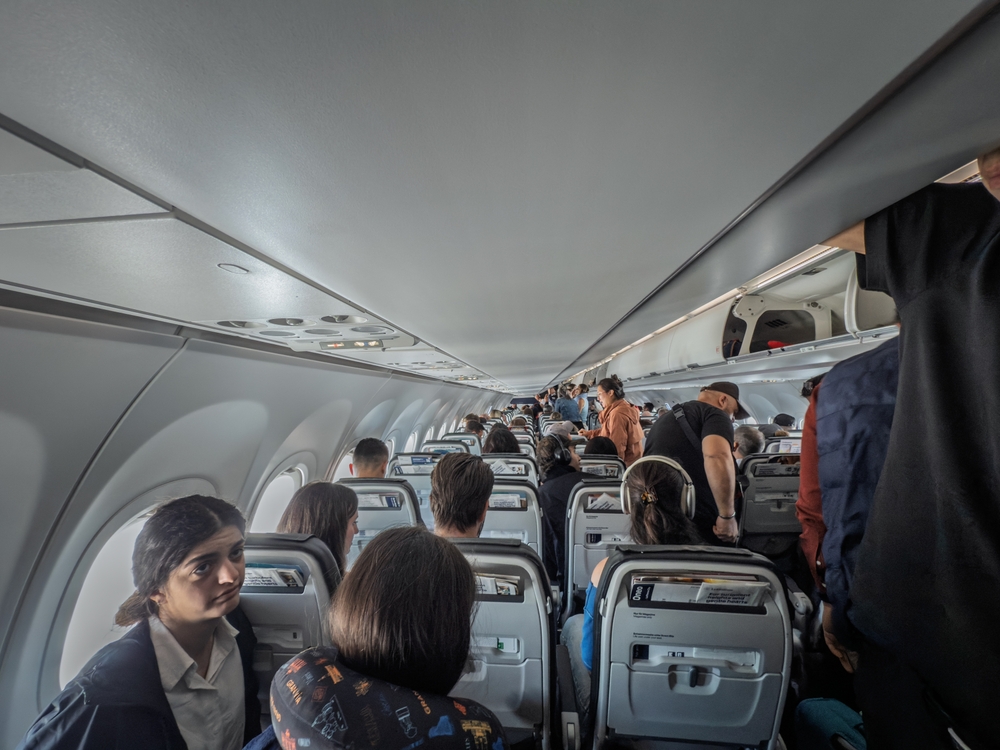
As airlines race to offer faster, more accessible WiFi—even for free in economy class—the way we behave in the skies is changing.
What was once a sanctuary from the constant ping of notifications and calls is now at risk of becoming just as noisy and connected as your local café. And not everyone is thrilled about it.
The New Flashpoint: Free WiFi and Loud Calls
Once upon a time, flying was a rare opportunity to disconnect from the world. No phone calls, no emails, no social media—just you, a book, and maybe a movie or two. But as airlines race to offer faster, more accessible WiFi (sometimes even for free in economy!), the rules of engagement are changing.
British Airways recently announced that its new Starlink-powered WiFi will be available to all passengers, and their website gently reminds travellers: ‘Please be considerate. If you’re making a call, keep your voice low and use headphones.’
Meanwhile, other airlines like Air New Zealand have taken a firmer stance, outright banning voice and video calls during flights.
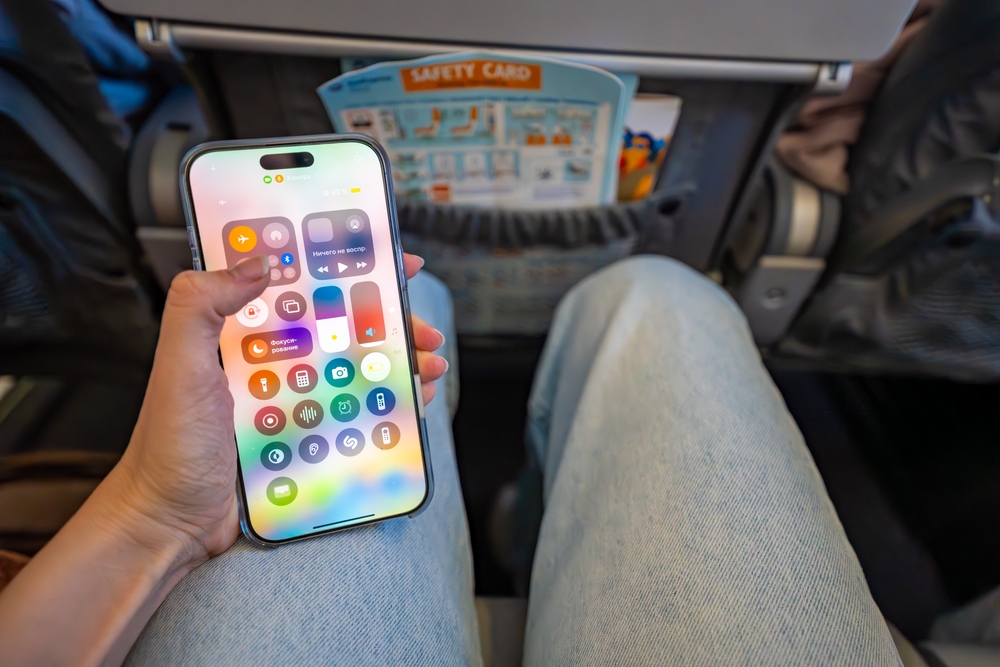
But as one weary traveller recently discovered, not everyone is getting the memo. After enduring a seatmate’s vaping, requests for sick bags, and finally, a loudspeaker video call in the middle of the night, they were left wondering: are we overreacting, or is this the height of rudeness?
Why It’s a Big Deal: The Etiquette of Airborne Internet
According to etiquette expert Julie Lamberg-Burnet, founder of the Sydney School of Protocol, flying is ‘the last frontier of people disrupting the peaceful enjoyment of others.’ She says the problem boils down to a lack of self-awareness and respect for fellow travellers.
‘While having on-board WiFi available has many positives in keeping in contact with family, friends and for business, there are several protocols and etiquette intelligence that require us to maintain a calm, peaceful, and enjoyable environment for ourselves and those around us,’ Julie explains.
Her advice is clear: don’t make calls or video chats while in the air. It’s ‘selfish and rude,’ she says, and holding your phone on speaker is especially disruptive.
In the close quarters of a plane, sound travels further than you might think—so even if you think you’re being quiet, your conversation could be keeping half the cabin awake.
Why Is This Such a Big Deal?
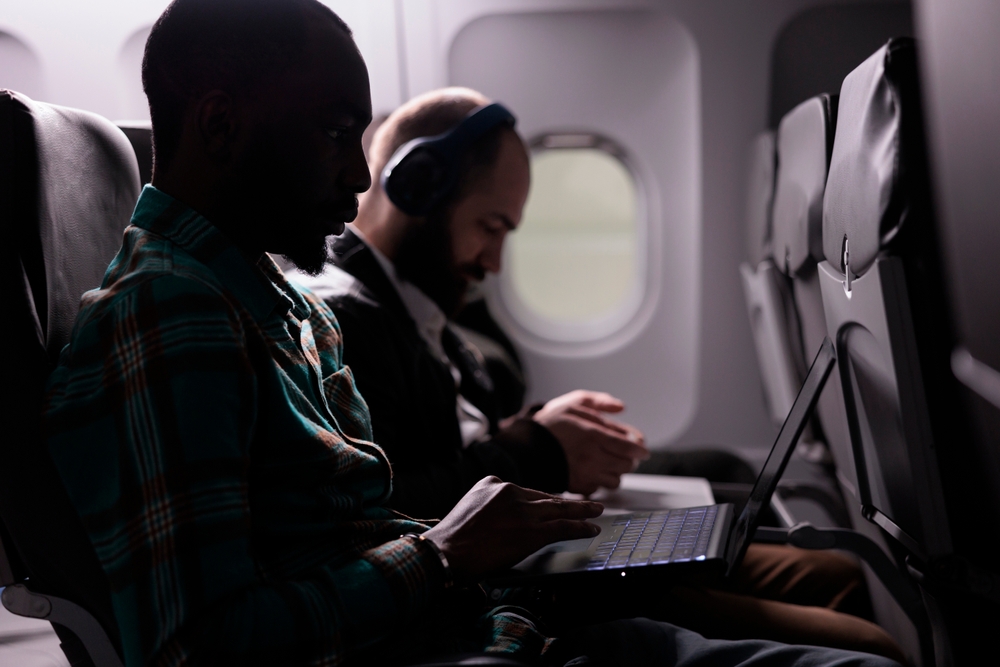
For many of us, flying is one of the last places where we can truly unplug. The hum of the engines, the gentle clink of the drinks trolley, and the soft murmur of fellow passengers are all part of the experience. Introducing loud phone calls and video chats into this environment risks shattering that fragile peace.
It’s not just about personal preference, either. Studies have shown that noise pollution can increase stress and anxiety, especially in confined spaces.
For older travellers, who may already find flying a bit taxing, the added disturbance can make the journey even more uncomfortable.
What Can You Do If You’re Disturbed?
If you find yourself seated near a particularly noisy passenger, it can be tricky to know what to do. Most of us don’t want to cause a scene, but there are a few polite options:
- Use your call button: Quietly ask a flight attendant if they can remind passengers about noise etiquette.
- Pack noise-cancelling headphones or earplugs: These can be a lifesaver on long flights.
- Politely address the person: If you feel comfortable, a gentle ‘Would you mind lowering your voice? I’m trying to rest’ can sometimes do the trick.
Remember, you’re well within your rights to ask for a peaceful environment—after all, you paid for your seat, too!
Key Takeaways
- Passengers using free WiFi to make loud video or voice calls on planes is sparking tensions and could become a new flashpoint for air travel etiquette.
- Many travellers and etiquette experts think making calls or video chats on speaker during flights is selfish, rude, and disruptive to others trying to rest.
- Some airlines, like British Airways, allow in-flight voice and video calls with guidelines to be considerate, while others, such as Air New Zealand, ban them outright.
- Experts urge travellers to maintain respect and self-awareness, keeping conversations private and quiet, or ideally waiting until landing to make calls.
Have you experienced noisy phone or video calls on a flight? Do you think airlines should ban in-flight calls, or is it just part of modern travel? How do you handle noisy passengers when you’re trying to relax in the air?
We’d love to hear your thoughts and stories—share your experiences in the comments below! Let’s help keep the skies friendly (and peaceful) for everyone.