Dreaming of a sun-soaked escape to Spain’s beautiful beaches, charming villages, and vibrant cities? You’re not alone. Spain remains a top destination for Aussie travellers, especially those of us who love a bit of Mediterranean magic.
Whether you’re picturing yourself strolling along the golden beaches of Menorca, exploring the vibrant nightlife of Ibiza, or simply relaxing in a charming Balearic village, there’s one thing you probably haven’t factored into your travel plans: venomous spiders.

Yes, you read that right. Recent warnings from Spanish holiday hotspots have put a spotlight on a surprising and rather unsettling risk for tourists: severe spider bites that have led to hospitalisations, emergency surgeries, and even the threat of losing limbs.
A Hidden Danger in Paradise
Recent reports from popular Spanish hotspots, including the Balearic Islands of Menorca, Majorca, and Ibiza, have highlighted a worrying trend.
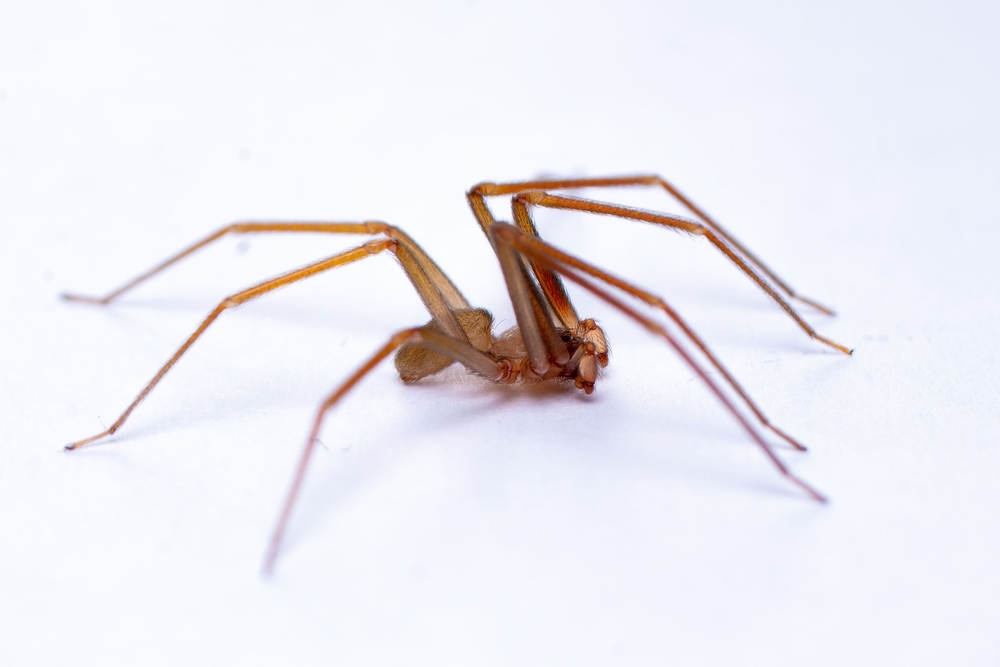
Tourists and locals alike have suffered severe bites from the Mediterranean violin spider, also known as the Mediterranean recluse. While these spiders are not usually aggressive, they can deliver a nasty bite if disturbed, and the consequences can be far more serious than a simple itch.
One 60-year-old woman holidaying in s’Arenal d’en Castell, Menorca, found herself in a world of pain after a bite to her arm. Her symptoms included pain, swelling, and redness, which quickly escalated, prompting her to seek urgent medical attention. She suspected the culprit was the Mediterranean violin spider, a species that’s more common in the Balearics than many realise.
But she’s not alone. In another case, a 32-year-old woman suffered tissue necrosis, which is a condition where the skin and underlying tissue start to die, after a bite. She narrowly avoided losing her leg thanks to emergency surgery. And in a particularly harrowing incident, a 19-year-old Welsh tourist lost two fingers after being bitten on the hand.
The Serious Side of Spider Bites
While most spider bites are little more than an itchy inconvenience, the Mediterranean violin spider is a different story. The Mediterranean violin spider is a small, unassuming creature, usually just 1–2 centimetres in size, with six eyes and a violin-shaped marking on its back. It prefers to hide in dark, undisturbed places: under rocks, in crevices, or even in bathrooms and cars.
Biologist Guillem Pons, speaking to the Majorca Daily Bulletin, explained that these spiders can be found almost anywhere: under rocks, in cavities, and even in bathrooms. ‘These bites can happen anywhere,’ he warned.
The spider’s venom contains a potent enzyme called sphingomyelinase D, which can cause tissue necrosis. Symptoms of a bite typically appear within two to eight hours and may include swelling, redness, pain, a purple or black wound, fever, and chills. In rare cases, the venom can trigger a severe infection or even necrotising fasciitis, a flesh-eating disease that requires urgent medical intervention.
‘In Ibiza, there was a case in a car, while a Catalan tourist walking in flip-flops in Cabrera was stung on the side of his foot. I even have a documented case that occurred in a bathroom at the University of the Balearics,’ he continued.
Aussie Travellers: What You Need to Know
While these incidents are rare, they’re a timely reminder to stay vigilant, especially if you’re exploring off the beaten path or staying in older accommodations. Here are some practical tips to keep you safe:
1. Clean the bite area with soap and water.
2. Apply a cold pack to reduce swelling.
3. Keep the affected limb elevated if possible.
4. Seek medical attention as soon as possible, especially if you develop severe pain, fever, or a spreading wound.
You can also take a few sensible precautions, such as shaking out shoes, towels, and clothing before you use them. Do this especially if left on the floor or outside. Be cautious when reaching into dark or hidden spaces, like under rocks or behind furniture. Remember to wear closed shoes when walking in gardens or rocky areas, and if you spot a spider indoors, gently encourage it outside rather than squashing it.
Key Takeaways
- Warnings have been issued to tourists visiting Spanish hotspots after several people suffered serious bites from the Mediterranean violin spider, leading to severe symptoms and even emergency surgery.
- The Mediterranean violin spider, also known as the Mediterranean recluse, is common in the Balearic Islands and can be found in various places, such as cavities, under rocks, and even indoors.
- Bites from this spider can cause symptoms including pain, swelling, redness, fever, and in some cases, tissue necrosis, with effects often appearing within two to eight hours.
- Experts advise that anyone bitten by a suspicious spider should seek medical attention promptly, as quick treatment can be critical in preventing severe complications.
Have you ever had a close encounter with a creepy-crawly while travelling? Or do you have tips for staying safe on holiday? Share your stories and advice in the comments below.