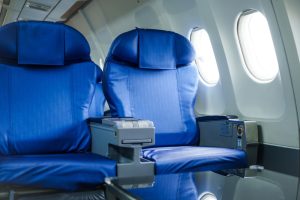
If you’re one of those savvy travellers who boards a plane armed with a pack of disinfectant wipes, you’re not alone. Many of us have become experts at wiping down tray tables, armrests, and even the seat itself before settling in for a flight—especially after the last few years, when hygiene has been at the front of everyone’s mind.
But according to a seasoned cabin crew member, there’s one spot almost everyone forgets to clean—and it’s possibly the dirtiest of the lot.
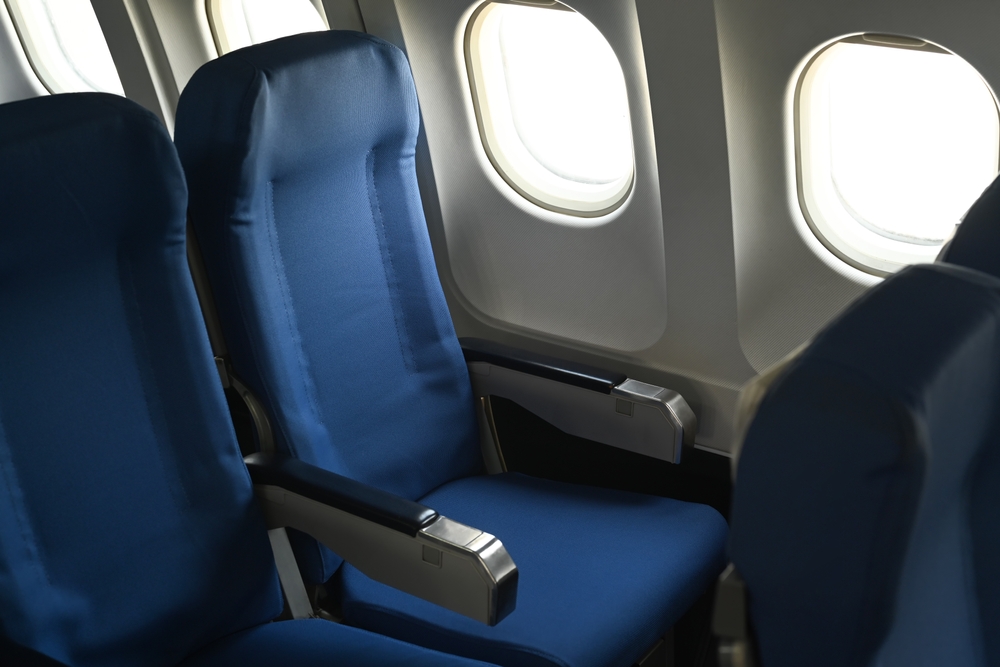
Let’s face it: planes are a bit like flying buses, with hundreds of people passing through every day. Even with regular cleaning, there are bound to be a few germy surprises lurking in unexpected places.
Charity Moore, a flight attendant and former Survivor contestant, has seen it all, and she’s got a warning for even the most diligent germ-busters.
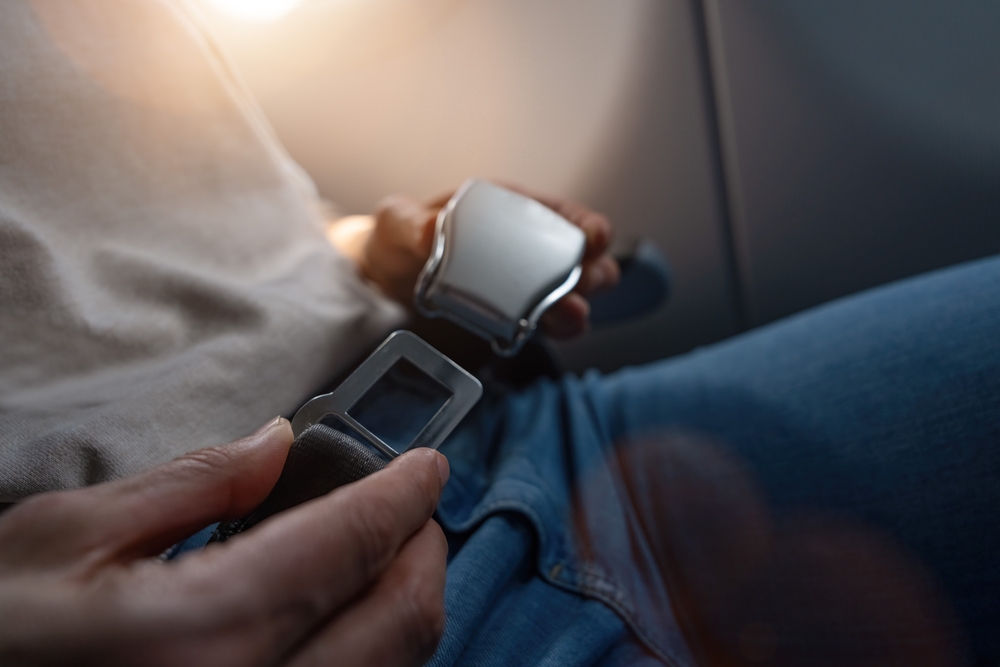
‘What you should be wiping that nobody wipes, is the seat belt. The metal part, because everybody touches it,’ Moore explains. ‘And you should be wiping the fabric part of the seatbelt, because everybody pulls on that. The amount of throw up, baby vomit, bodily fluids, liquids that have spilled, random stuff that ends up on those seatbelts—wipe them down.’
It’s enough to make you shudder, isn’t it? And it makes sense: while tray tables and armrests get a lot of attention, seat belts are handled by every single passenger, every single flight.
They’re rarely, if ever, given a proper clean between journeys. So next time you fly, make sure your cleaning routine includes a thorough wipe-down of the seat belt—both the buckle and the strap.
But that’s not the only tip Moore has for staying healthy in the skies. She also warns against wearing shorts, skirts, or dresses on planes, no matter how much you clean your seat.
‘Wear full pants. None of your skin should be touching that seat. I don’t care if you come on board and disinfect it,’ she said.
But the seat belt isn’t the only germ hotspot you should be aware of. According to a study by JRPass.com, the dirtiest item you’ll encounter on your travels might actually be something you bring with you: your passport.
After trekking through airports, handling security bins, and passing through countless hands, your passport can become a breeding ground for bacteria. The study, which involved a ‘scientifically controlled experiment’ to test various travel items, found that passports topped the list for bacterial contamination.
You can read the full article here.
And there’s more. Those handy seat-back pockets? They might seem like the perfect place to stash your book, phone, or snacks, but experts warn they’re rarely cleaned thoroughly. In fact, former flight attendants have reported seeing everything from dirty nappies to used sick bags stuffed in there.
A survey of 2,000 travellers found that 30 per cent store food and personal items in those pockets—potentially exposing themselves to all sorts of nasties.
So, what’s a health-conscious traveller to do? Here are some top tips for your next flight:
1. Keep Hand Sanitiser Handy
Use it regularly, especially after touching high-contact surfaces or before eating.
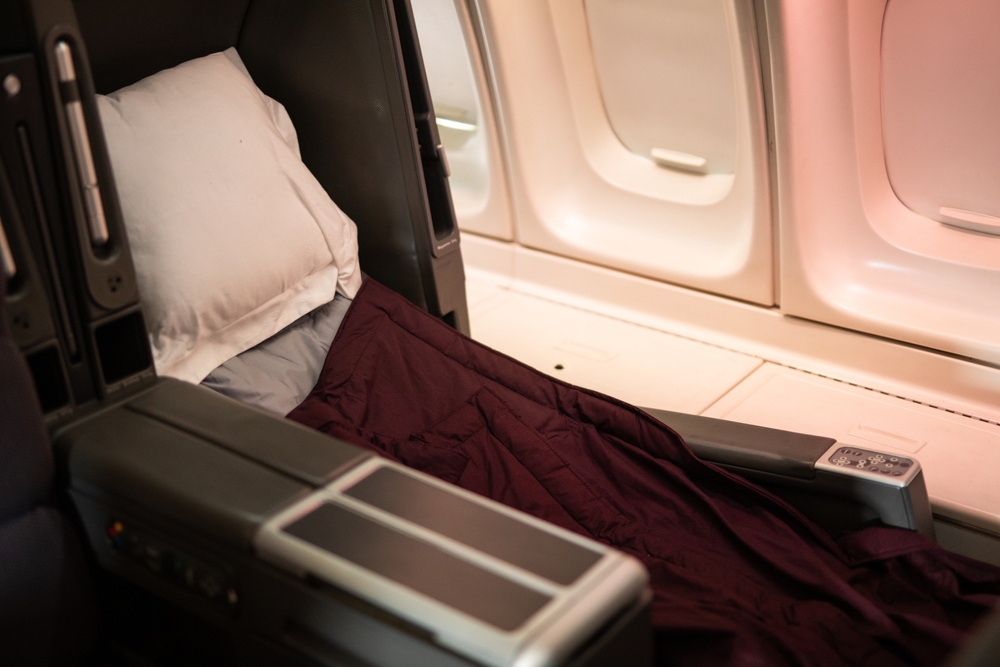
2. Bring Your Own Blanket and Pillow
If you’re planning to get comfy, bring your own travel blanket and pillow rather than relying on airline-provided ones, which may not always be freshly laundered.
3. Stay Hydrated and Move Around
While not strictly a hygiene tip, keeping hydrated and moving during the flight can help you feel better and reduce your risk of picking up bugs.
Final Thoughts
Travelling can be stressful enough without worrying about germs, but a few simple precautions can go a long way towards keeping you healthy and comfortable on your journey.
And remember, while it’s impossible to avoid every germ, being aware of the dirtiest spots—and taking steps to protect yourself—can make a big difference.
Key Takeaways
- Flight attendants advise travellers to always wipe down the seatbelt — both the metal and fabric parts — as it’s one of the dirtiest and most-touched parts of an airline seat.
- Passengers are warned against wearing shorts or short skirts on planes, as it’s best for no skin to be touching the seat, even if it has been disinfected.
- Research suggests the dirtiest item travellers bring onboard is actually their own passport, which picks up bacteria throughout the airport; regular hand sanitisation is recommended.
- Experts caution against storing food or personal items in the seat pocket, as these are rarely cleaned and sometimes contain used sick bags or dirty nappies; using resealable containers is advised.
Have you ever had a nasty experience with a dirty plane seat or found something unexpected in a seat-back pocket? Do you have your own travel hygiene tips to share? We’d love to hear your stories and advice—let us know in the comments below! Safe travels, STC members!