If you’ve ever searched for flights online, you’ve probably heard the age-old travel tip: clear your search history, wipe your cookies, or use incognito mode to score a cheaper airfare. It’s a trick that’s been whispered about in travel forums, passed around at dinner parties, and even hinted at by airline staff themselves.
But is there any truth to this digital folklore, or is it just another myth that refuses to die?

Let’s dig into the facts, the fiction, and everything in between—so you can book your next holiday with confidence (and maybe a few extra dollars in your pocket).
Where Did This Myth Come From?
The rumour mill went into overdrive recently when a US budget airline, JetBlue, found itself at the centre of a social media storm. A frustrated traveller complained about a $230 (about $320 AUD) price hike on a ticket overnight, only to be told by a JetBlue staffer to ‘try clearing your cache and cookies or booking with an incognito window.’ For many, this seemed like confirmation that airlines really do track your searches and bump up prices if they think you’re keen.
But before you start frantically deleting your browser history, JetBlue quickly backtracked, admitting the advice was incorrect and apologising for the confusion. So, what’s really happening here?
What Is ‘Surveillance Pricing’ And Should We Worry?
The idea that companies use your personal data, like your location, browsing habits, or even the type of device you’re using, to set individual prices is known as ‘surveillance pricing.’ The goal? To squeeze the highest possible price out of each customer.
While this sounds a bit like something out of a spy novel, the reality in Australia is a little less dramatic. Surveillance pricing sits in a legal grey area here.
Businesses can adjust prices based on demand and inventory, and they can offer different prices for things like senior discounts. But setting prices based on your income, postcode, or shopping habits is generally not allowed.
So, while it’s technically possible for companies to use your data in this way, there’s no solid evidence that airlines are doing it to manipulate flight prices—at least not in Australia.

Dynamic Pricing: The Real Reason for Fluctuating Fares
If it’s not your search history, why do flight prices seem to change every time you look? The answer is dynamic pricing. Airlines use complex algorithms that constantly adjust fares based on real-time demand, seat availability, and even what their competitors are charging.
As JetBlue explained, ‘Fares can change at any moment as seats are purchased or as inventory is adjusted based on demand, and are not guaranteed until a purchase is completed.’ In other words, the price you see now might not be the price you see in five minutes—not because you’ve searched before, but because someone else might have snapped up the last cheap seat.
Travel experts agree. Jesse Neugarten, founder of Dollar Flight Club, says, ‘While it’s a widely held belief that flight prices go up the more you search for a route, there’s no hard evidence that browsing history or repeated searches alone directly cause price increases.’
Sophia Lin from Google Search adds, ‘Ticket prices are constantly changing and being updated across different data providers, even from second to second.’
Why We’re All So Keen to Save
With the cost of living on the rise, it’s no wonder Aussies are desperate to save on travel. Recent research from TravelInsurance.com.au found that one in five Australians have taken financial risks—like dipping into emergency savings or borrowing money—just to afford a holiday.
Younger generations are feeling the pinch the most, but even some from the older generation are stretching their budgets for a getaway.
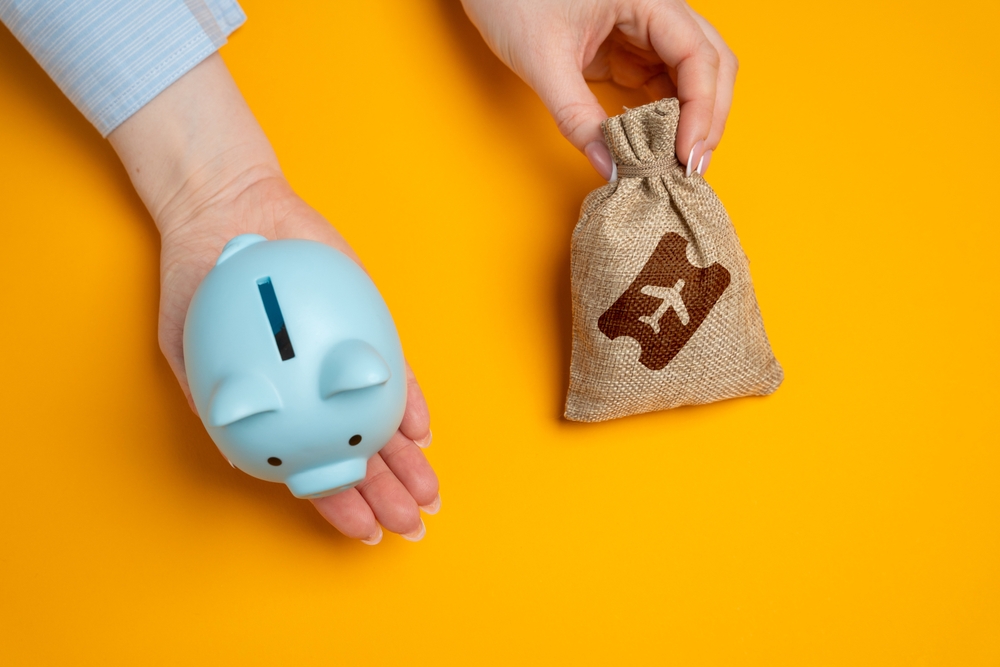
TravelInsurance.com.au CEO Shaun McGowan offers a word of caution: ‘If you have to borrow money or dip into your emergency savings to book an overseas trip, ask yourself if you can really afford it in the first place.’
Top Tips for Booking Cheaper Flights
So, if clearing your cookies won’t magically unlock secret deals, what can you do to save money on flights? Here are some tried-and-true tips:
- Book on Sundays: Data shows you can save up to 20 per cent by booking at the end of the week.
- Travel in January: It’s the cheapest month for both domestic and international trips.
- Aim for the ‘three-month rule’: Booking about three months before your international flight can save you up to 12 per cent.
- Be flexible: If you can, avoid peak travel times like school holidays and public holidays.
- Set fare alerts: Use comparison sites to track prices and get notified when they drop.
- Consider alternative airports: Sometimes flying into or out of a nearby airport can save you a bundle.
While it’s tempting to believe that airlines are out to get us with sneaky pricing tricks, the reality is a bit more mundane. Airfares are driven by demand, availability, and a dash of good old-fashioned luck. Clearing your search history or using incognito mode probably won’t make a difference—but being flexible, booking at the right time, and keeping an eye on deals definitely will.
Key Takeaways
- Despite a longstanding belief, there’s no solid evidence that airlines use your online search history or cookies to hike up flight prices in Australia; ticket prices mainly change due to real-time demand and availability.
- Surveillance pricing—where companies use your personal data to set individualised prices—remains a legal grey area here, but airlines usually say their price changes come from dynamic pricing rather than tracking your searches.
- Research shows one in five Aussies have taken financial risks like tapping into emergency savings just to afford a holiday, with younger people far more likely to do so than older adults.
- To score the best airfare deals, experts recommend booking international flights about three months in advance, flying in January for the lowest prices, and snagging tickets on Sundays to save up to 20 per cent.
Have you ever tried clearing your cookies or using incognito mode to get a better deal? Did it work for you, or was it just wishful thinking? Share your experiences and travel tips in the comments below—we’d love to hear from you!