If you’ve ever found yourself watching a blockbuster and thinking, ‘That place looks familiar…’, you’re not alone. Some of the world’s most breathtaking UNESCO World Heritage Sites have been immortalised on the silver screen, transforming from ancient wonders and natural marvels into must-see destinations for movie buffs and adventurers alike.
Hollywood’s love affair with the world’s most stunning UNESCO World Heritage Sites has inspired a new breed of traveller: The set-jetter.
These are folks who don’t just want to watch the magic on screen… they want to step right into it. From ancient tombs to volcanic peaks, these iconic locations have become stars in their own right, drawing visitors from across the globe who want to relive a bit of movie magic.
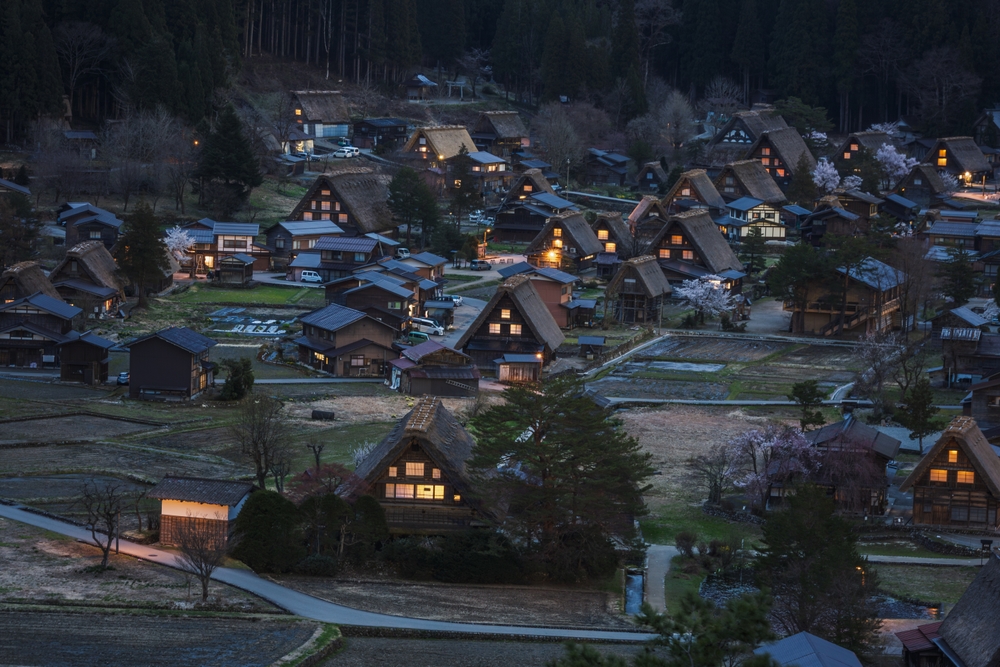
So, whether you’re a film buff, a history lover, or just looking for your next unforgettable holiday, join us as we journey through ten jaw-dropping UNESCO sites that have been immortalised on screen.
1. Petra, Jordan – Indiana Jones and the Last Crusade
Who could forget the jaw-dropping moment when Indiana Jones rides through the narrow Siq and emerges before the rose-red Treasury of Petra? Before its starring role in Indiana Jones and the Last Crusade (1989), Petra was a relatively obscure archaeological site. But after Harrison Ford and Sean Connery’s on-screen adventure, visitor numbers soared, and Petra became a bucket-list destination for travellers worldwide.
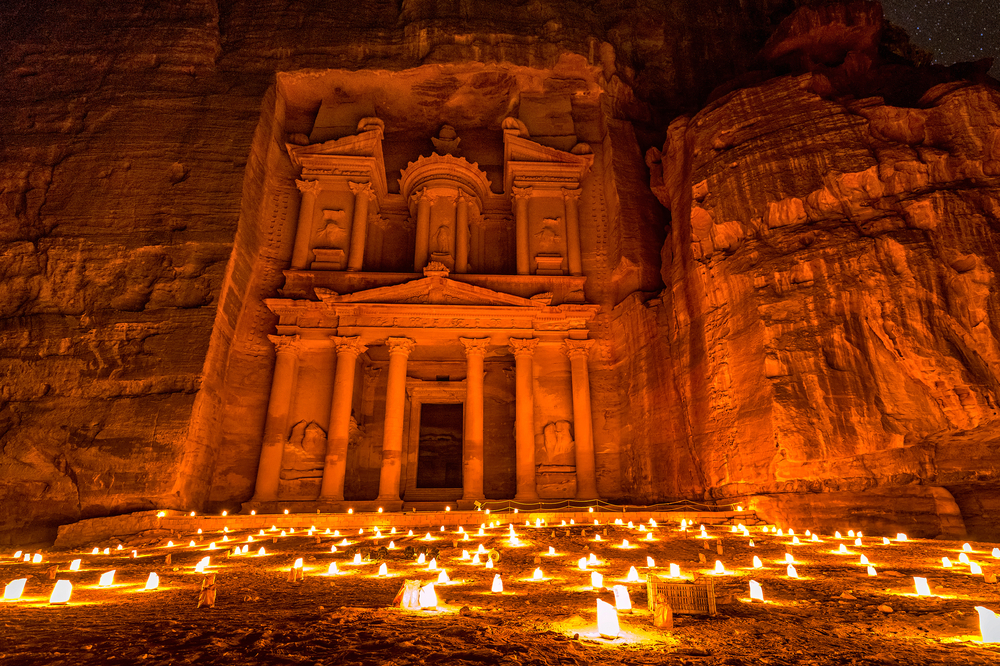
But as Andy Hines, a recent visitor, puts it: ‘In the movie, Petra is a prop, a backdrop to Indiana Jones. But see it in person, and Petra becomes the star.’ The rose-red city’s haunting tombs and intricate facades are even more awe-inspiring up close, and its history stretches far beyond Hollywood’s lens. If you’re planning a visit, be sure to explore beyond the Treasury—Petra’s sprawling archaeological park is full of hidden wonders.
2. Kenya Lake System, Great Rift Valley – Out of Africa
Sydney Pollack’s Out of Africa (1985) painted Kenya’s landscapes with a romantic brush, forever linking the country’s wild beauty with epic love stories. The Kenya Lake System, comprising Lakes Elementaita, Nakuru, and Bogoria, features in those unforgettable aerial shots, with flocks of flamingos taking flight as Robert Redford and Meryl Streep soar overhead.
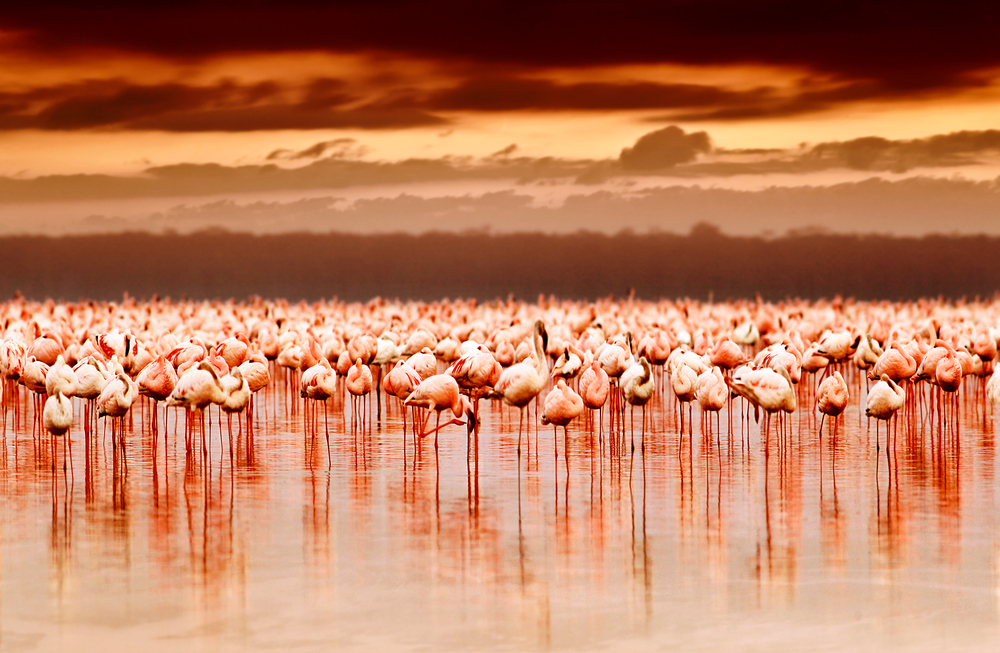
These alkaline lakes, now a UNESCO Natural World Heritage Site, are home to millions of migratory birds and offer some of Africa’s most spectacular wildlife viewing. Whether you’re a fan of the film or just love nature, the Great Rift Valley’s dramatic escarpments and luxury lodges promise an Out of Africa experience (though perhaps without Robert Redford).
3. Tongariro National Park, New Zealand – The Lord of the Rings
If you’ve ever dreamed of journeying to Mordor, you’re in luck! No need to dodge orcs, just head to New Zealand’s Tongariro National Park. Peter Jackson’s The Lord of the Rings trilogy transformed these volcanic landscapes into the stuff of legend. Mount Ngauruhoe became Mount Doom (though filming at the summit was off-limits out of respect for Māori traditions), and Tawhai Falls doubled as Gollum’s forbidden pool.
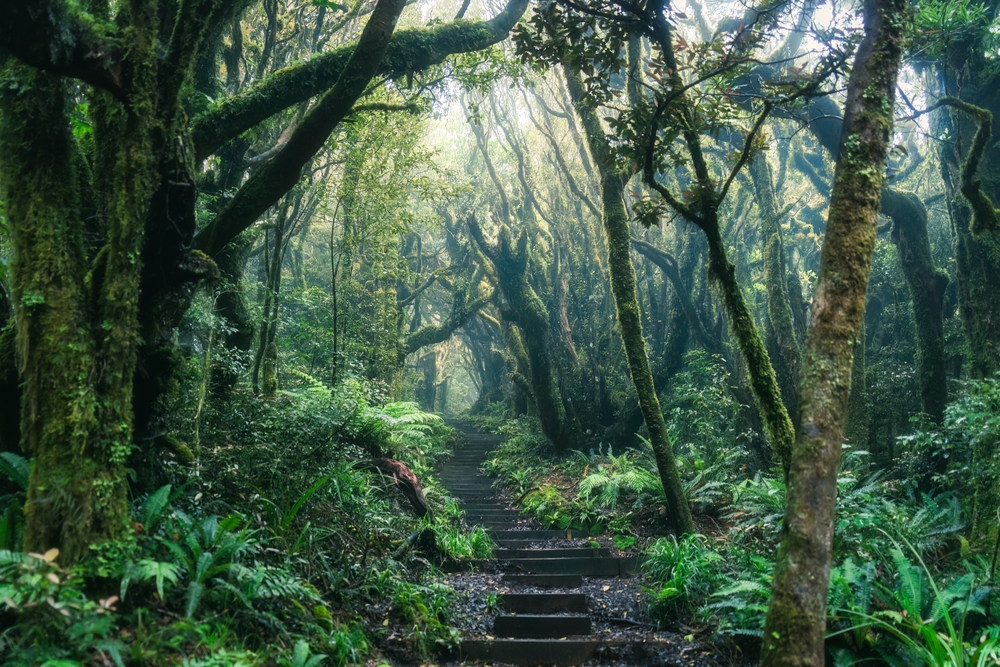
Tongariro is unique for its dual UNESCO status (both natural and cultural), and its significance to New Zealand’s first people adds a layer of meaning that goes far beyond the movies. The Tongariro Alpine Crossing is a must for keen walkers, but remember: the best weather is during New Zealand’s summer (December to February).
4. Historic Centre of Rome, Italy – Roman Holiday
Audrey Hepburn and Gregory Peck’s whirlwind Vespa ride through Rome in Roman Holiday (1953) is the stuff of cinematic legend. The Spanish Steps, Trevi Fountain, and Colosseum all play starring roles in this timeless romance, and the city’s UNESCO-listed historic centre is just as enchanting today.
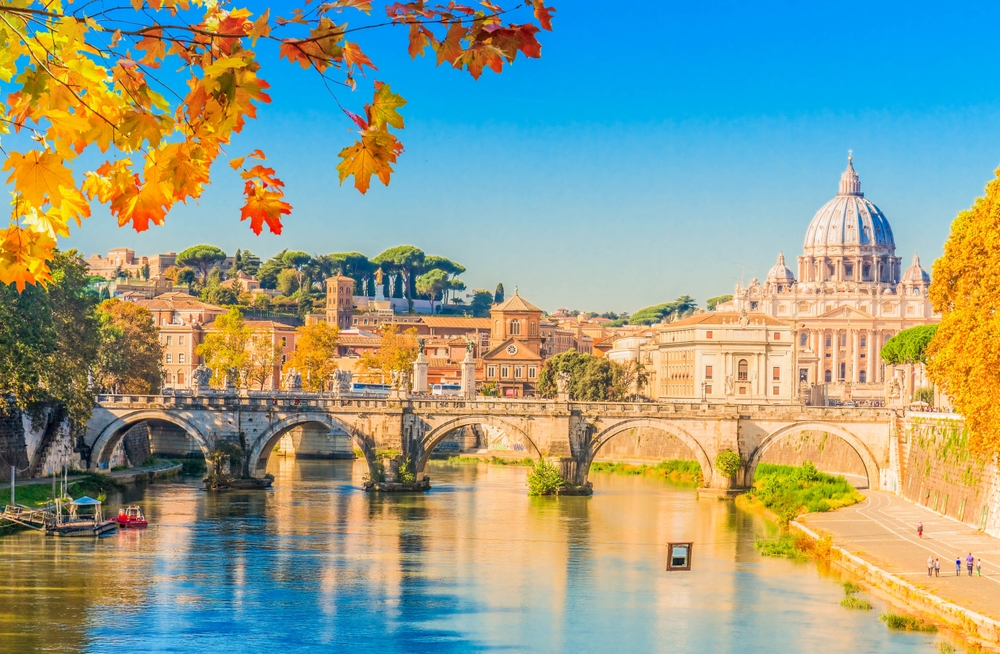
Art historian Isabella Calidonna recommends exploring early in the morning to avoid the crowds and capture a bit of that old-world magic. And if you’re feeling adventurous, why not recreate your own Roman Holiday moment… just don’t forget your gelato!
5. Machu Picchu, Peru – The Motorcycle Diaries
Gael Garcia Bernal’s portrayal of a young Che Guevara in The Motorcycle Diaries (2004) brought Machu Picchu’s misty heights to a new generation. The 15th-century Inca citadel, perched high in the Andes, is more than just a pretty backdrop—it’s a powerful symbol of South America’s indigenous heritage.
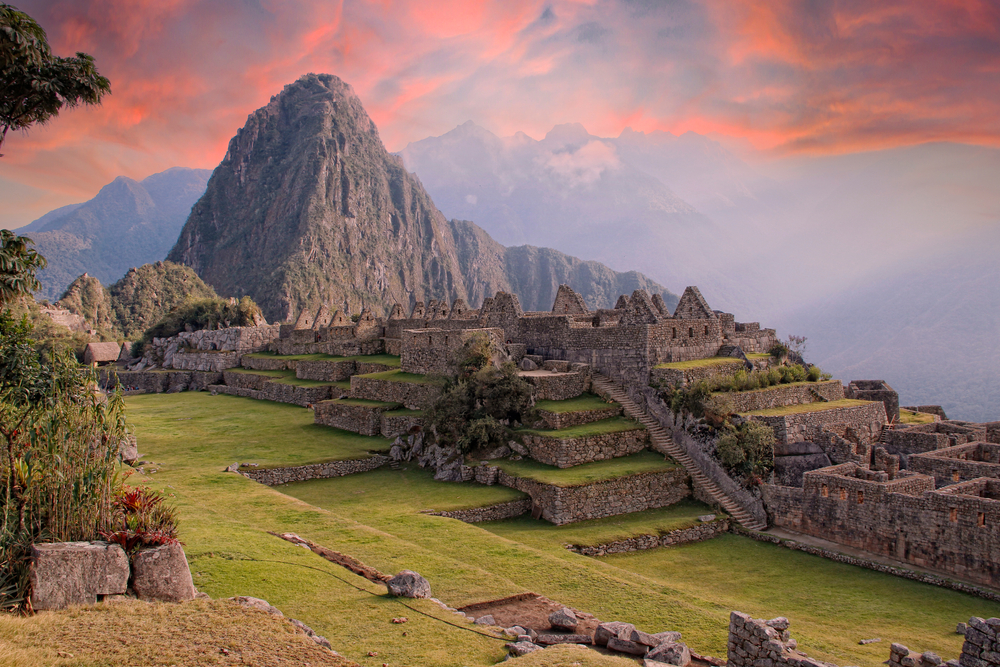
Today, visiting Machu Picchu requires a bit more planning than Che’s impromptu journey. Permits are limited, and conservation efforts mean you’ll need to book well in advance. Whether you hike the Inca Trail or take the train from Cusco, the experience is nothing short of transformative.
6. Historic Centre of Salzburg, Austria – The Sound of Music
Who can forget Julie Andrews twirling atop an alpine meadow, belting out ‘The hills are alive…’? The Sound of Music (1965) turned Salzburg into a musical pilgrimage site, and its baroque old town (a UNESCO gem) is still alive with the sound of tourists humming ‘Do-Re-Mi.’

Beyond the film’s famous locations, such as the Mirabell Palace Gardens, Nonnberg Abbey, and Residenzplatz, Salzburg is a city steeped in musical history. Mozart’s birthplace and the world-renowned Salzburg Festival (late July to August) offer plenty for culture vultures, whether or not you’re a Von Trapp superfan.
7. Medina of Marrakesh, Morocco – The Man Who Knew Too Much
Alfred Hitchcock’s The Man Who Knew Too Much (1956) brought the vibrant chaos of Marrakesh’s Medina to the big screen. This labyrinthine old city, with its red walls, bustling souks, and aromatic air, is a sensory overload in the best possible way.

The Medina’s UNESCO status is well-deserved, and exploring its winding alleys is like stepping into a living film set. For the best experience, visit early or late in the day to dodge the heat and the crowds, and don’t be afraid to get a little lost!
8. Hanseatic City of Lübeck, Germany – Nosferatu
If you prefer your UNESCO sites with a side of spooky, Lübeck is for you. F.W. Murnau’s silent horror classic Nosferatu (1922) used the city’s medieval streets and Gothic salt storehouses to chilling effect. By day, Lübeck is all fairy-tale charm; by night, those narrow lanes take on a haunting atmosphere.
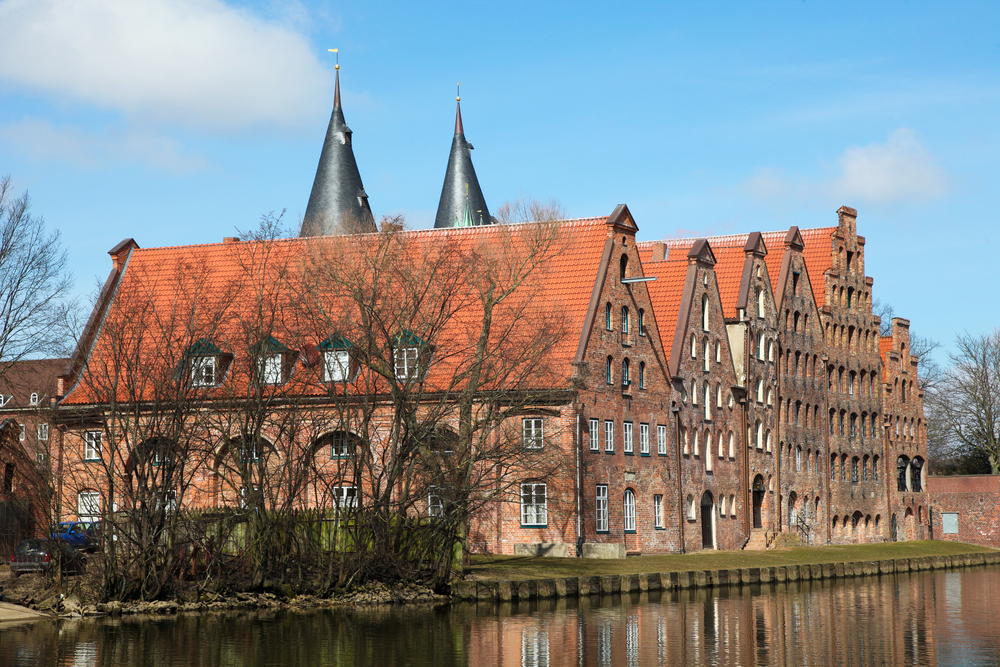
Film buffs can join guided walks or explore at their own pace, soaking up the maritime history and architectural splendour that made Lübeck a Hanseatic powerhouse. And if you’re in town in November, don’t miss the Nordic Film Days festival—a treat for cinephiles.
9. Wadi Rum, Jordan – Lawrence of Arabia, Dune, The Martian
Wadi Rum’s otherworldly desert landscapes have stood in for Mars, Arrakis, and the Arabian Peninsula. But it was Lawrence of Arabia (1962) that first introduced global audiences to its stark beauty. The real T.E. Lawrence passed through here during the Arab Revolt, and today’s Bedouin communities still call this dramatic landscape home.
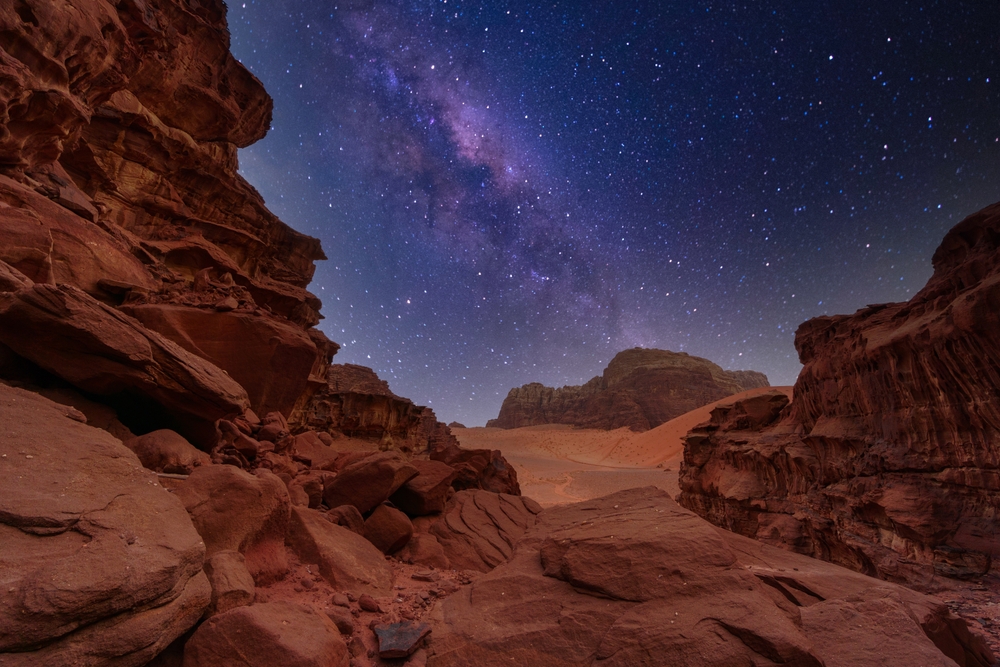
For the ultimate experience, spend a night under the stars in a Bedouin camp, or take a 4×4 tour to visit iconic film locations. Just be warned: you might find yourself humming the Lawrence of Arabia theme as you gaze at the endless red sands.
10. Angkor Archaeological Park, Cambodia – Tomb Raider
When Angelina Jolie’s Lara Croft leapt through the tangled ruins of Ta Prohm in Tomb Raider (2001), she catapulted Angkor’s temples onto the world stage. The ‘Tomb Raider Temple,’ with its giant tree roots snaking over ancient stones, is now one of the park’s most photographed spots.
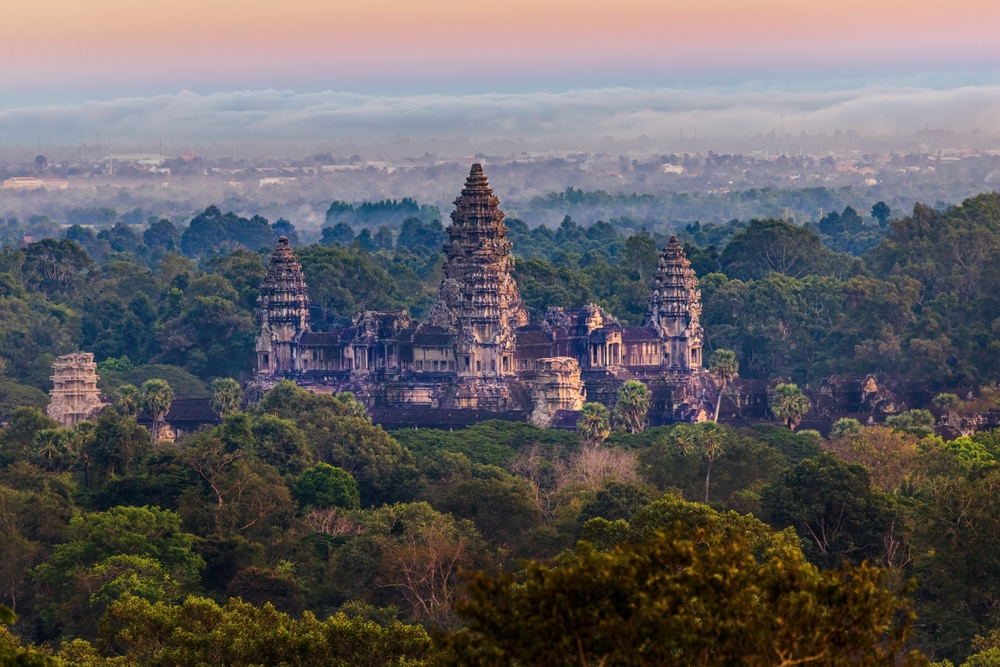
Angkor is vast, and a multi-day pass lets you explore beyond the blockbuster sites. Early mornings are best for beating both the crowds and the heat, and a sunset drink at Siem Reap’s Elephant Bar is the perfect way to unwind after a day of temple-hopping.
BONUS: Historic Centre of Mexico City, Mexico – Spectre
Here’s a bonus for Bond fans! The opening of Spectre (2015) sees Daniel Craig’s 007 weaving through a Day of the Dead parade in Mexico City’s historic centre. The twist? Before the film, such a parade didn’t exist. Inspired by the movie, the city launched its own annual Day of the Dead celebration in 2016, complete with giant skeletons and elaborate costumes, with some straight from the film set!

The UNESCO-listed heart of Mexico City is a treasure trove of history, from the Zócalo to the Gran Hotel Ciudad de Mexico. If you time your visit for late October or early November, you’ll witness a festival that’s pure movie magic brought to life.
Set-Jetting: The Ultimate Travel Trend
From ancient ruins to natural wonders, these UNESCO sites prove that sometimes the real stars of the movies are the locations themselves. Set-jetting isn’t just about ticking off film locations—it’s about connecting with history, culture, and the magic of storytelling.
Key Takeaways
- Many iconic UNESCO World Heritage Sites have been featured in famous films, turning them into must-visit destinations for travellers inspired by the big screen.
- Movies like Indiana Jones, The Lord of the Rings, Out of Africa, and The Sound of Music have showcased locations such as Petra (Jordan), Tongariro National Park (NZ), the Kenyan Rift Valley, and Salzburg (Austria), blending cinematic nostalgia with cultural significance.
- Some films have had lasting real-world impacts, such as James Bond’s Spectre inspiring Mexico City’s now-annual Day of the Dead parade, showing how Hollywood can help shape cultural traditions and boost tourism.
- Travellers keen on ‘set-jetting’ can deepen their holiday experience by exploring both the historical and movie-related highlights of UNESCO sites, but should plan ahead for conservation rules, visitor caps, and avoid the crowds.
Have you ever visited a place because you saw it in a movie? Or do you have a dream destination inspired by your favourite film? Share your stories, tips, or travel wish lists in the comments below—we’d love to hear from you!