If you’re searching for a slice of the Mediterranean that’s steeped in myth, history, and a tranquillity that feels almost enchanted, look no further than Eski Foça—a seaside gem on Turkey’s Aegean coast.
While legends claim that sirens once lured sailors to their doom on these shores, today, the only thing likely to sweep you away is the town’s irresistible charm and peaceful atmosphere.
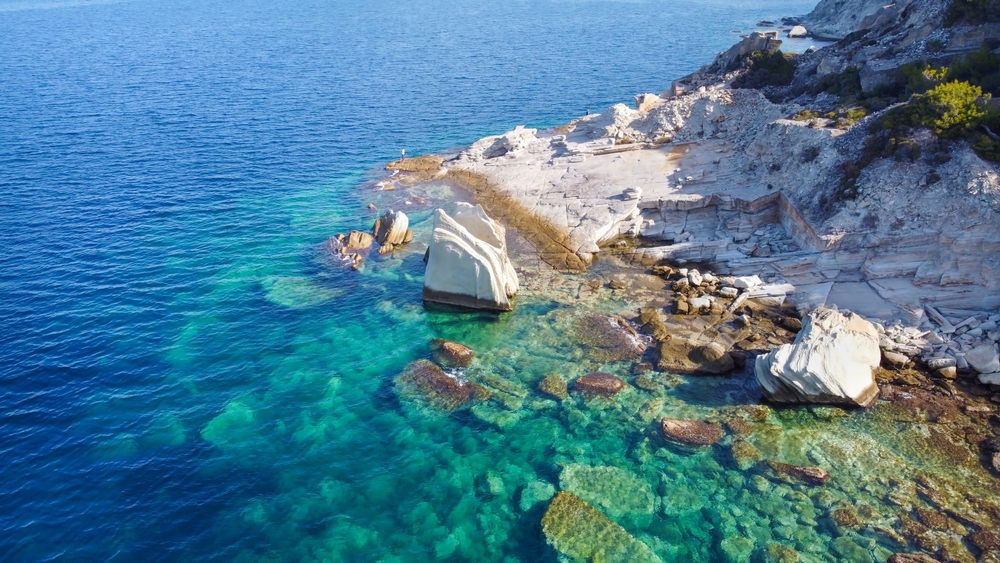
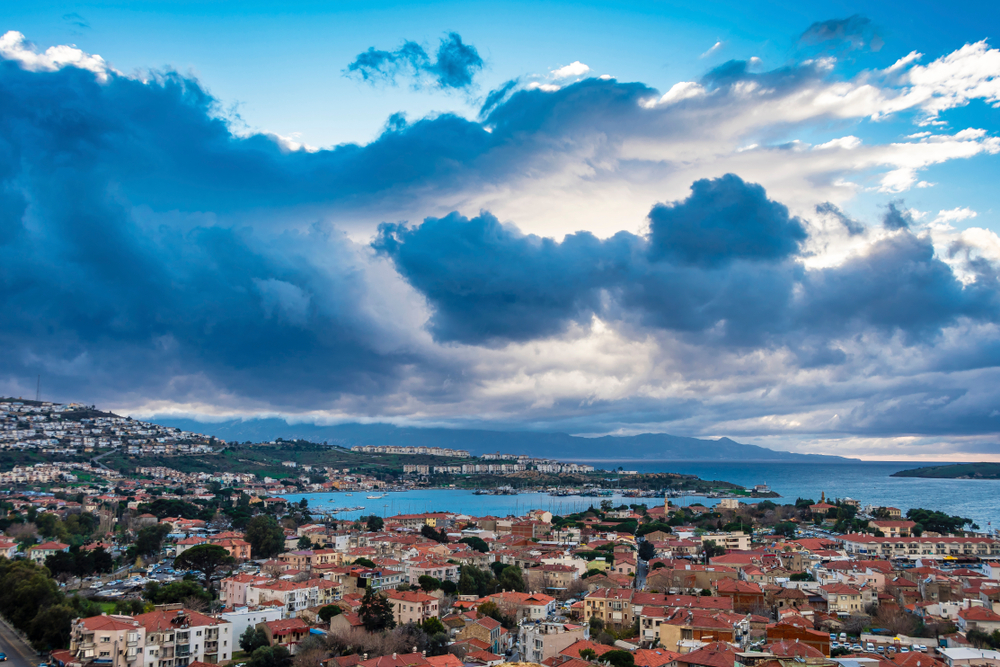
While some places in the Med are overrun with tourists and high-rise hotels, Eski Foça (meaning ‘Old Foça’) has managed to preserve its old-world fishing village atmosphere. How? According to Oğuzhan Çakırefe, the town’s director of culture and social affairs, it’s simple: ‘Unlike other cities in Turkey, construction hasn’t been allowed.’
The result is a town where laughter and the scent of the sea drift through cobbled streets, and where the past feels just a step away from the present.
A Town Built on Legend and Legacy
Eski Foça’s story stretches back thousands of years. Known as Phocaea in ancient Greek times, it was a key Ionian settlement—one of a dozen city-states that dominated the Aegean coast from the 9th to the 7th centuries BCE.
The Ionians were famed sailors, establishing colonies as far afield as Corsica before falling to the Persians, then Alexander the Great, the Genoese, and finally the Ottomans in the 15th century.
The Ottomans called the area Foçateyn, or ‘two Foças,’ to distinguish between Eski (Old) Foça and its younger sibling, Yeni (New) Foça, just 20 kilometres away. But it’s the older town that has captured imaginations for centuries—thanks in part to its connection to one of the world’s greatest epics.
The Sirens’ Song: Myth or Memory?
If you’ve ever read Homer’s Odyssey, you’ll know the tale of Odysseus and the sirens—those mythical creatures whose irresistible singing lured sailors to their doom. Many believe that Eski Foça, with its natural bay and the six uninhabited Foça Islands (the Adalar), is the very place Homer described.
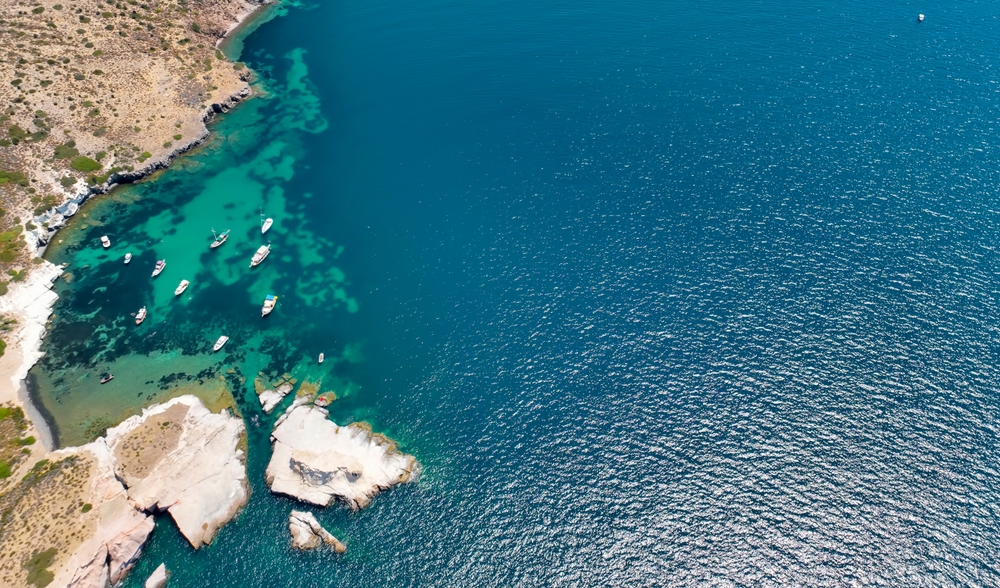
The Siren Kayalıkları, or Siren Rocks, are a striking volcanic formation just offshore, and local boat captain Orhan Boğaç is convinced: ‘The largest island, Orak Island, is where the sirens sang.’
He continued: ‘The sirens were a type of mermaid with the head of a woman and the body of a bird. According to legend, they sang seductively to lure passing sailors towards them, where a storm, whipped up by their wings, caused them to crash their ships into the rocks, sink and drown.’
Odysseus famously escaped their clutches by having his crew tie him to the mast so he could listen safely.
Today, you can take a boat trip out to the Siren Rocks, where the wind and waves still create an eerie music. Some visitors swear they can hear the sirens’ call—though it might just be the magic of the place (or perhaps a touch of imagination after a glass of local wine!).
Seals, Not Sirens?
While the sirens may be the stuff of legend, there’s another rare creature that calls these waters home: the Mediterranean monk seal, or foka in Turkish. These endangered seals are found only in a few places around the Med, and the caves along Eski Foça’s coast provide them with a safe haven. The town itself is named after them, and while sightings are rare, the knowledge that these gentle creatures are nearby adds another layer of enchantment to the area.
Locals even tell tales reminiscent of Celtic and Nordic folklore—stories of seals that shed their skins to become human. Whether you believe in such magic or not, there’s no denying that Eski Foça feels like a place where anything is possible.
A Living Tapestry of Cultures
Eski Foça’s history isn’t just ancient—it’s also deeply multicultural. Until the early 20th century, the town was a cosmopolitan port, home to Greeks, Turks, Levantines, and a small Jewish community. Trade in grapes and alum flourished, and the town’s architecture still reflects this rich blend of influences.
That changed dramatically in 1923, when the Greek-Turkish population exchange forced families to leave their ancestral homes. Orhan Boğaç’s own family came to Eski Foça from the Greek island of Lemnos during this time, bringing their traditions and memories with them.
The next wave of change came in the 1950s, when Club Med opened Turkey’s first resort nearby, attracting French, Scandinavian, and Dutch tourists. These days, international visitors tend to flock to Turkey’s southern coast, leaving Eski Foça to those in the know—mainly Turkish holidaymakers and day-trippers from nearby Izmir.
The Black Stone Legend: Why Some Never Leave
There’s a local legend that explains why so many visitors come to Eski Foça for a day and end up staying for a lifetime. It’s said that two lovers from feuding families were separated, and the girl waited for her beloved on a black stone until she died of heartbreak.
The townspeople, moved by her story, broke the stone into pieces and scattered them throughout the city, wishing that anyone who stepped on them would never want to leave—and that such sorrow would never be felt again.
Oğuzhan Çakırefe, who came for a two-day visit and has now lived in Eski Foça for 25 years, believes he and his wife must have stepped on one of those stones. ‘No one knows the exact location of the pieces,’ he says, ‘but the legend lives on.’
A Tranquil Escape, With a Hint of Magic
In a world where so many seaside towns have lost their soul to overdevelopment, Eski Foça stands apart—a place where history, myth, and natural beauty blend seamlessly. Whether you’re drawn by the sirens’ song, the promise of spotting a rare seal, or simply the chance to unwind in a peaceful, welcoming community, this ‘cursed’ coastline might just be the Mediterranean’s best-kept secret.
Key Takeaways
- Eski Foça, a small town on Turkey’s Aegean coast with deep Greek and Ottoman roots, has preserved its historic character by restricting modern construction and maintaining its old fishing village feel.
- The town is famous for its links to ancient myths, especially the Siren Rocks – believed by some to be the setting of Homer’s Odyssey – as well as a protected population of endangered Mediterranean seals, which gave Foça its name.
- Eski Foça’s history as a cosmopolitan port town changed dramatically after the 1923 Greek-Turkish population exchange, but today it attracts mostly local tourists seeking peace, historic sites, and vibrant local markets.
- Local legends, like the story of the black stone that ensures visitors never want to leave, add to Eski Foça’s charm, with many outsiders settling permanently after initially planning a short visit.
Have you ever visited a place that felt touched by legend, or found yourself wanting to stay forever after just a short visit? Share your stories and thoughts in the comments below! We’d love to hear about your own magical escapes.