Dining out is meant to be a treat—a chance to relax, enjoy good company, and maybe even split a delicious pizza with your loved ones. But if you’re planning a trip to Austria anytime soon, you might want to keep a close eye on the menu… and your wallet!
A new trend sweeping some Austrian restaurants has left both locals and tourists gobsmacked: some eateries are now charging up to €11 (around AUD $20) just for the privilege of sharing a plate.
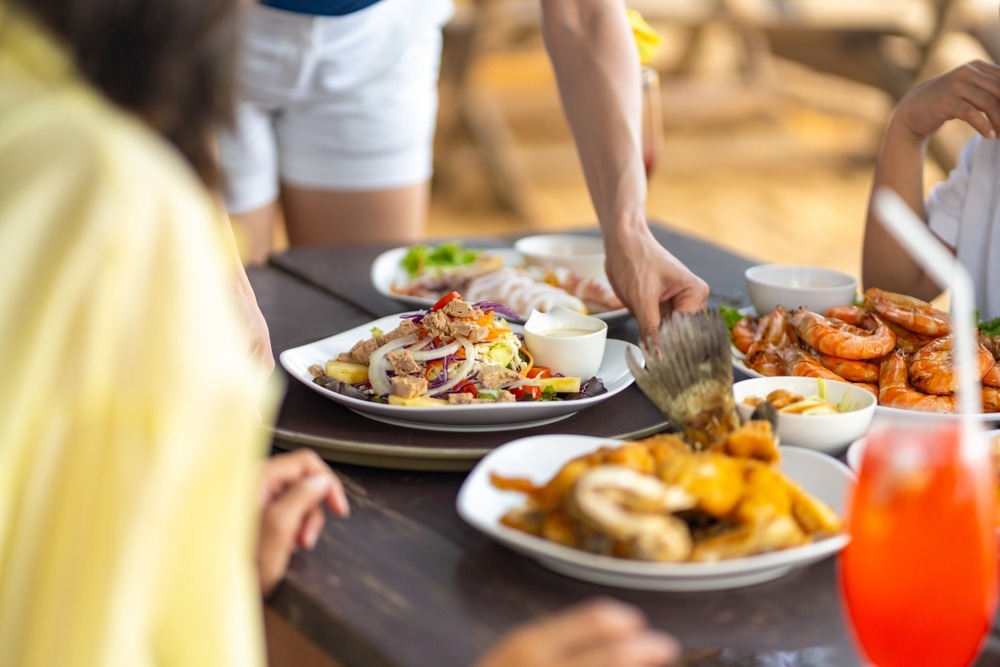
Yes, you read that right. Not for an extra meal, not for a fancy side dish—just for an empty plate so you can split your food. It’s a move that’s sparking heated debate across the country, especially in popular tourist spots like Salzburg and Vienna.
The Event That Sparked a National Debate
The controversy hit the headlines after a family in the Grieskirchen district sat down at a bustling pizzeria, only to discover a surprising note on the menu: ‘Our pizzas are charged per person.’ With two young children who couldn’t possibly finish a whole pizza each, the parents planned to order one for them to share. But the restaurant’s policy meant they’d be charged as if each child had ordered their own—potentially doubling their bill.
With pizzas starting at €11 (around AUD $20) and climbing to nearly €20 (about AUD $30) depending on toppings, the family faced a hefty price tag for a simple meal. And they’re not alone.
Across Austria, more and more restaurants are introducing what they call ‘freeloader plates,’ ‘stolen dishes,’ or ‘thief’s plates’—surcharges for anyone daring to share a meal.
Why Are Restaurants Doing This?
Restaurant owners say these charges are a matter of survival. The hospitality industry was hit hard by the pandemic, and many businesses are still struggling to recover. Ernst Pühringer, president of Salzburg’s Tourism Division, explained that after years of financial strain, restaurants need to ensure every seat at the table brings in enough revenue to keep the doors open.
The issue often arises with larger groups who order fewer main courses than the number of diners, but still expect full service—cutlery, plates, and the attention of waitstaff. For restaurants, this means more work for less money.
Peter Dobcak, a Vienna tourism and gastronomy expert, points out that some customers have come to expect ‘full service at minimal cost,’ putting even more pressure on already tight margins.
How Much Could You Be Charged?
The surcharges vary widely. In Salzburg, an extra plate might set you back €4 (about AUD $6.90), while in other regions it could be less. But some restaurants, like the one in Grieskirchen, are charging as much as €11 (around AUD $20) per extra plate. And it’s not just about sharing mains—some ice cream parlours are now tacking on a ‘washing up fee’ of €1.20 (around AUD $2) if you ask for your dessert in a bowl instead of a cone!
One tourist, Wolfgang, was stunned to find a ‘glass surcharge’ on his bill after enjoying an iced coffee and a bowl of ice cream. When he queried the fee, the staff explained it was simply to cover the cost of washing up. If he’d chosen a disposable cup, there would have been no extra charge.
Is This Even Legal?
According to the Austrian Chamber of Commerce, as long as the charges are clearly displayed on the menu or a sign, restaurants are within their rights to impose them. Austria has strict price labelling requirements, so if it’s written down, it’s fair game.
What Does This Mean for Travellers and Locals?
For families, budget-conscious diners, and anyone who likes to share a meal, these new policies can be a nasty surprise. It’s a stark reminder to always check the fine print before ordering—especially if you’re travelling abroad.
But it’s not all doom and gloom. Many restaurants still use discretion, waiving the fee if your group spends enough overall or if you’re a regular customer. And of course, not every eatery is jumping on the bandwagon—yet.
The Bigger Picture: Is This the Future of Dining Out?
The debate in Austria echoes broader questions about the future of hospitality. As costs rise and margins shrink, will more restaurants around the world start charging for things we once took for granted? Or will customer backlash force a rethink?
Here in Australia, we’ve seen our own share of ‘hidden’ fees—think of the surcharges for public holidays, credit card payments, or even asking for tap water in some places. But charging for an empty plate? That’s a new one!
Your Turn: What Do You Think?
Would you pay nearly $20 just to share a pizza with your grandkids? Have you ever been hit with a surprise fee while dining out—at home or overseas? Do you think these charges are fair, or are they a step too far?
Key Takeaways
- Austrian restaurants are increasingly charging customers extra fees for sharing meals or requesting extra plates, with surcharges sometimes as high as €11 (around AUD $20) per plate.
- The practice, designed to combat so-called ‘freeloading’, has sparked debate across Austria, especially in popular tourist areas like Salzburg and Vienna.
- Many owners argue these charges are necessary to offset lost revenue and higher running costs, a challenge heightened after the COVID pandemic.
- Some eateries have also introduced additional fees, such as a ‘washing up fee’ or ‘glass surcharge’ for items like ice cream bowls, with all surcharges usually listed on menus as required by Austrian law.
We’d love to hear your thoughts! Share your stories and opinions in the comments below. And if you’ve got any tips for avoiding sneaky restaurant fees, let your fellow Seniors Travel Club members know—because a good meal should be enjoyed, not endured!