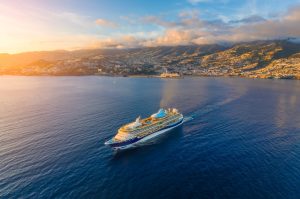
If you’ve ever been on a cruise—especially one that sails along our beautiful Australian coastline—you’ll know there’s a certain magic to standing on deck, salty breeze in your hair, and the open sea stretching out before you.
It’s the perfect setting for a bit of relaxation, a spot of sunbaking, and, for some, a chance to interact with the local wildlife. But did you know there’s one seemingly innocent activity that could land you in hot water with the crew (and even the law)?
There’s a cruise rule you might not know about that could land you in hot water with the law. We’re talking about feeding the birds.
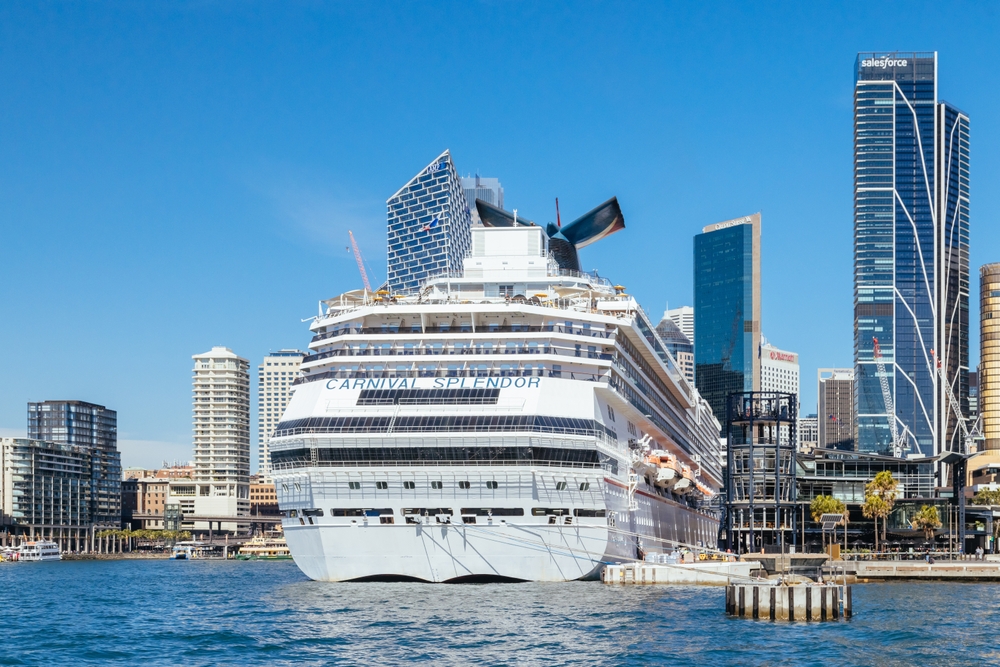
Recently, a group of passengers aboard the Carnival Splendour found themselves in trouble after being called out for tossing bread to some eager seagulls while docked at Moreton Island. What started as a bit of fun for the kids quickly turned into a lesson in cruise ship etiquette—and a reminder that not all rules are posted on signs.
The incident came to light when Carnival Cruise Line’s Brand Ambassador, John Heald, addressed the passengers’ complaint in a Facebook video. The disgruntled traveller wrote: ‘I need you to know how angry I am. We were throwing little pieces of bread for [the seagulls]. A crew person came up to us and gave us aggro (aggression).’
They continued: ‘We carried on because we thought we were right to do this. A second man in a white uniform came and told us to stop, and did that very loudly, and embarrassed us in front of other passengers. We were feeding the birds and looking after nature. There are no signs anywhere on the ship not to do this. It was making my children happy by getting this close to the birds.’
John’s response was as direct as it was honest: ‘Now I could go into this whole long thing about how it’s dangerous, I believe, to give birds bread, and the environmental impacts of all of that.’
‘But I’m just going to be very, very straightforward to anybody who’s thinking of feeding the birds on any of the cruises. Please don’t. The reason why is [that] they crap everywhere. The end.’
It might sound blunt, but John’s advice is spot on—and there’s a lot more to it than just keeping the decks clean.
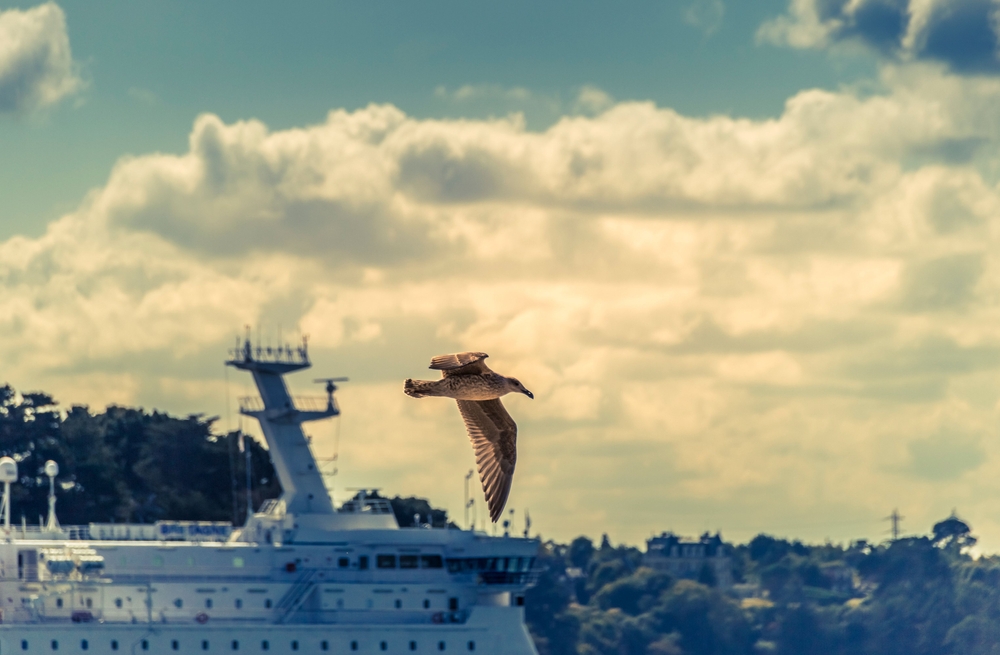
Why Feeding Birds on Cruises (or Anywhere) Is a Bad Idea
While it might seem harmless, feeding wild birds—whether you’re at sea, in a park, or even in your own backyard—can have serious consequences for both the animals and the environment.
1. Health Risks for Birds
Bread and other human snacks are essentially junk food for birds. According to BirdLife Australia, feeding birds bread, crackers, or dairy products can cause malnutrition, metabolic bone disease, and other health issues. Birds need a balanced diet found in their natural environment, not processed foods from our pantries.
2. Disease Spread
When birds congregate in large numbers at feeding spots, it increases the risk of disease transmission—not just among the birds, but potentially to humans as well. Concentrated feeding areas can become breeding grounds for bacteria and parasites.
3. Behavioural Changes
Regular feeding can make wild birds dependent on humans, disrupting their natural foraging habits. This dependency can lead to aggressive behaviour, loss of fear of humans, and even impact their ability to survive in the wild.
4. Environmental and Hygiene Concerns
As John Heald so colourfully put it, birds that are fed by humans tend to leave a mess behind. On a cruise ship, this means droppings everywhere—on decks, railings, and even passengers. Not exactly the relaxing holiday vibe you were hoping for!
5. Legal Consequences
Did you know that in some places, feeding wild animals is actually illegal? In Western Australia, it’s against the law to feed native fauna without a licence. Over in Europe, cities like Venice, Rome, and Florence have banned feeding pigeons to protect historic monuments and public hygiene. Fines can be hefty—up to €500 (about $800 AUD) in Italy!
What Should You Do Instead?
If you want to enjoy wildlife on your cruise or travels, the best thing you can do is observe from a distance. Bring a pair of binoculars, snap some photos, and let the animals go about their business naturally. If you’re travelling with grandkids, use the opportunity to teach them about respecting wildlife and the importance of not interfering with their natural behaviours.
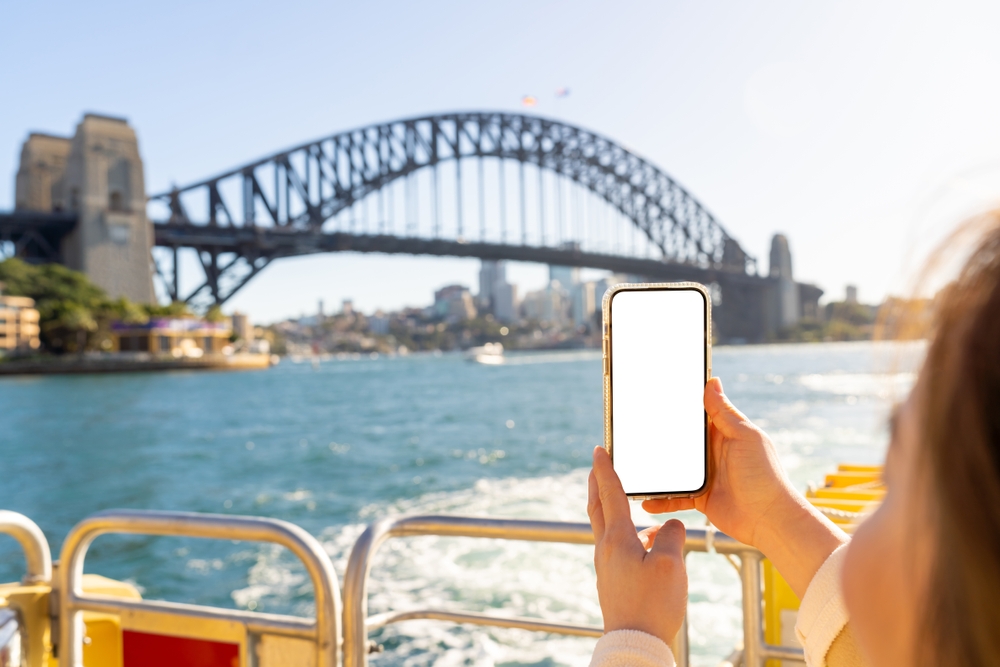
Cruise Etiquette: Other Surprising Rules to Know
Feeding the birds isn’t the only cruise faux pas that can catch travellers off guard. Here are a few more rules to keep in mind:
- No throwing anything overboard: Even biodegradable items like food scraps can harm marine life.
- No reserving deck chairs for hours: It’s a classic cruise gripe—don’t be that person!
- Follow dress codes in dining areas: Some restaurants require smart casual or formal attire.
- Respect quiet zones: Many ships have designated quiet areas for reading or relaxing.
Key Takeaways
- Feeding birds, including seagulls, is not allowed on cruise ships such as Carnival Splendour, even if there are no warning signs displayed.
- Wildlife experts and cruise staff discourage the feeding of wild animals, as it can cause health problems for the animals and impact their natural behaviour.
- Passengers who ignored the rule were warned by the crew and embarrassed in front of others, with cruise officials emphasising the negative consequences of encouraging birds near ships.
- In some Australian states, like Western Australia, and overseas in places such as Venice, Rome and Florence, feeding native wildlife without a licence is illegal and could attract hefty fines.
We’d love to hear your stories! Have you ever accidentally broken a cruise rule or witnessed someone else do it? Did you know about the bird-feeding ban before reading this article? Share your experiences and tips in the comments below—let’s help each other make every cruise smooth sailing!